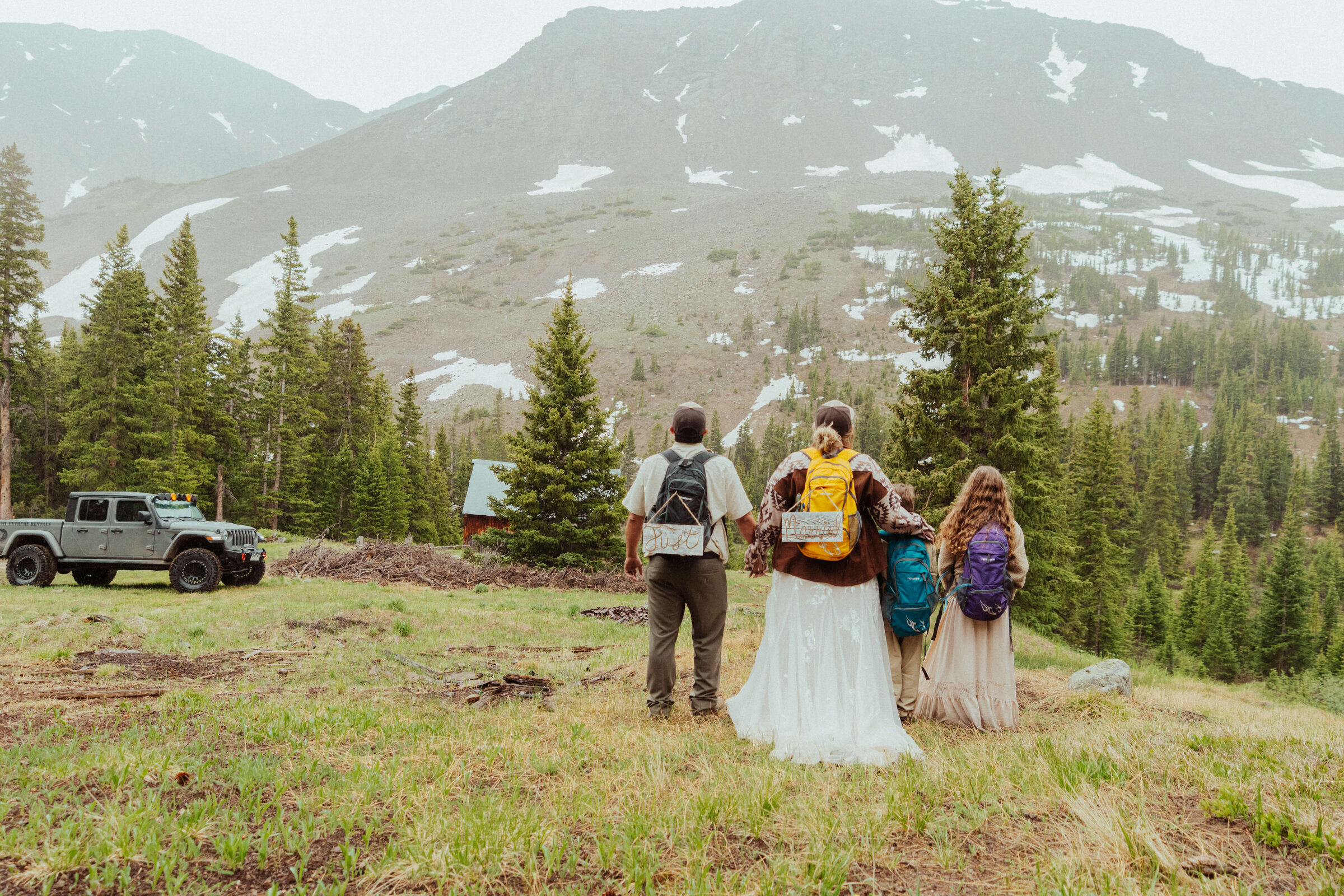
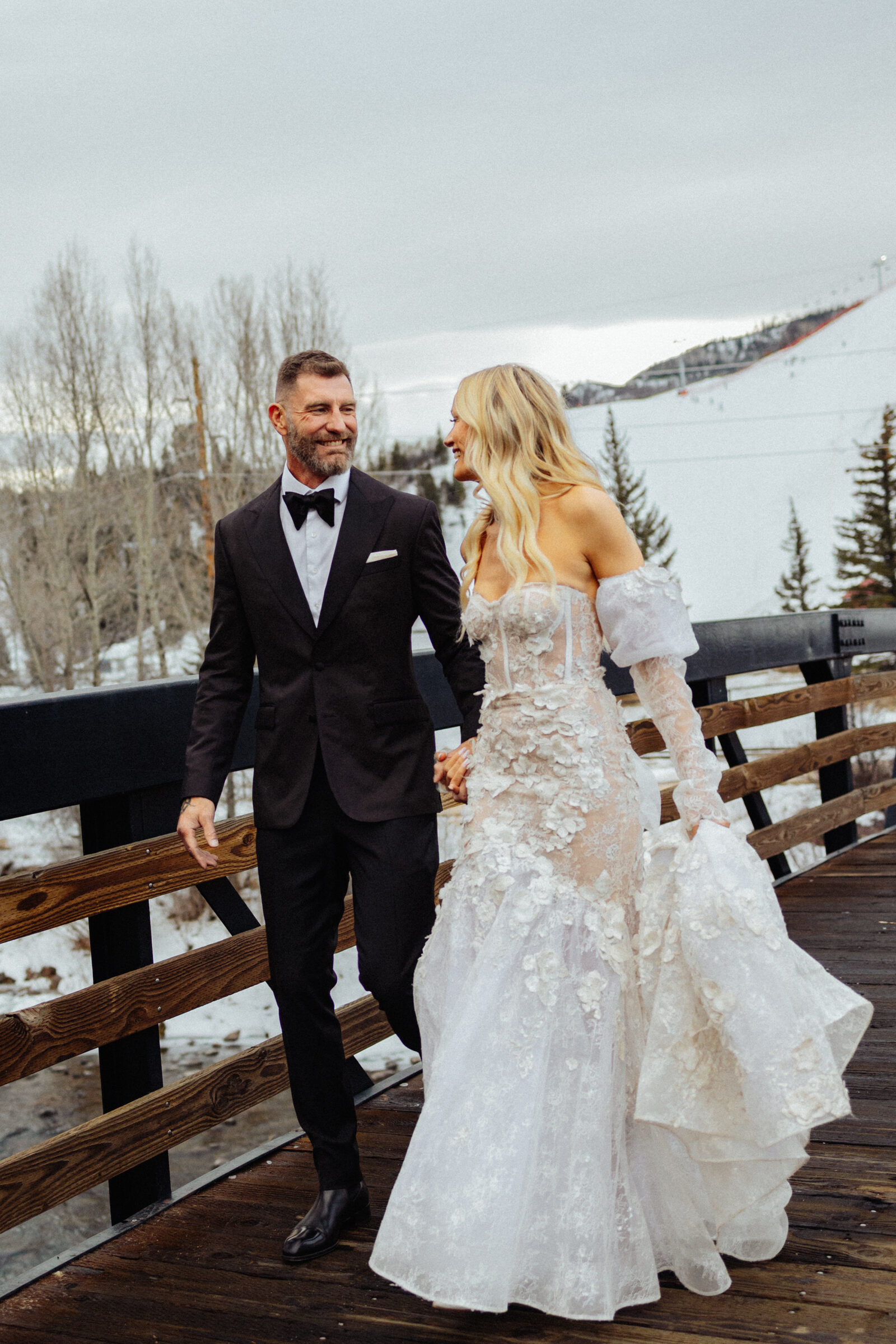
There is a specific feeling to a Super 8mm wedding video that no digital camera, regardless of price or processing, has ever been able to replicate. You've probably seen it, a clip on someone's Instagram, a wedding film from thirty years ago pulled out of a box at Thanksgiving, something your grandparents shot before you were born. It has grain that moves like it's breathing. Colors that are warm in a way that feels lived-in rather than graded. A flicker at the edges of motion that makes everything look like a memory you've already had. You weren't watching footage. You were watching something that felt real in a different way entirely.
That's what Super 8mm wedding video does that nothing else does. And it's why a growing number of couples are choosing to add a roll or two to their wedding day, not because it's nostalgic for nostalgia's sake, but because it captures something the rest of your documentation genuinely can't.
This is an honest look at what Super 8 is, what it actually looks like on a wedding day, and whether it's the right choice for yours.
What Super 8mm Wedding Video Actually Is, and Why It Looks Different from Everything Else
Super 8 is a motion picture film format introduced by Kodak in 1965. It used cartridge-loaded 8mm film and became the dominant home movie format through the late 1960s and 1970s before consumer video slowly replaced it. The cameras were small, relatively accessible, and beloved for the quality of image they produced, a quality that, decades later, cinematographers and wedding filmmakers alike have come back to deliberately.
What you're watching when you watch Super 8mm wedding video is actual light hitting actual film. Light-sensitive silver halide crystals on a physical strip of celluloid are exposed by your ceremony, your first dance, your grandmother pulling you close. That strip goes into a lab. It gets developed. It gets scanned. And what comes back to you carries the physical evidence of that moment in a way that digital files, however beautiful, simply don't.
The Grain Is the Point
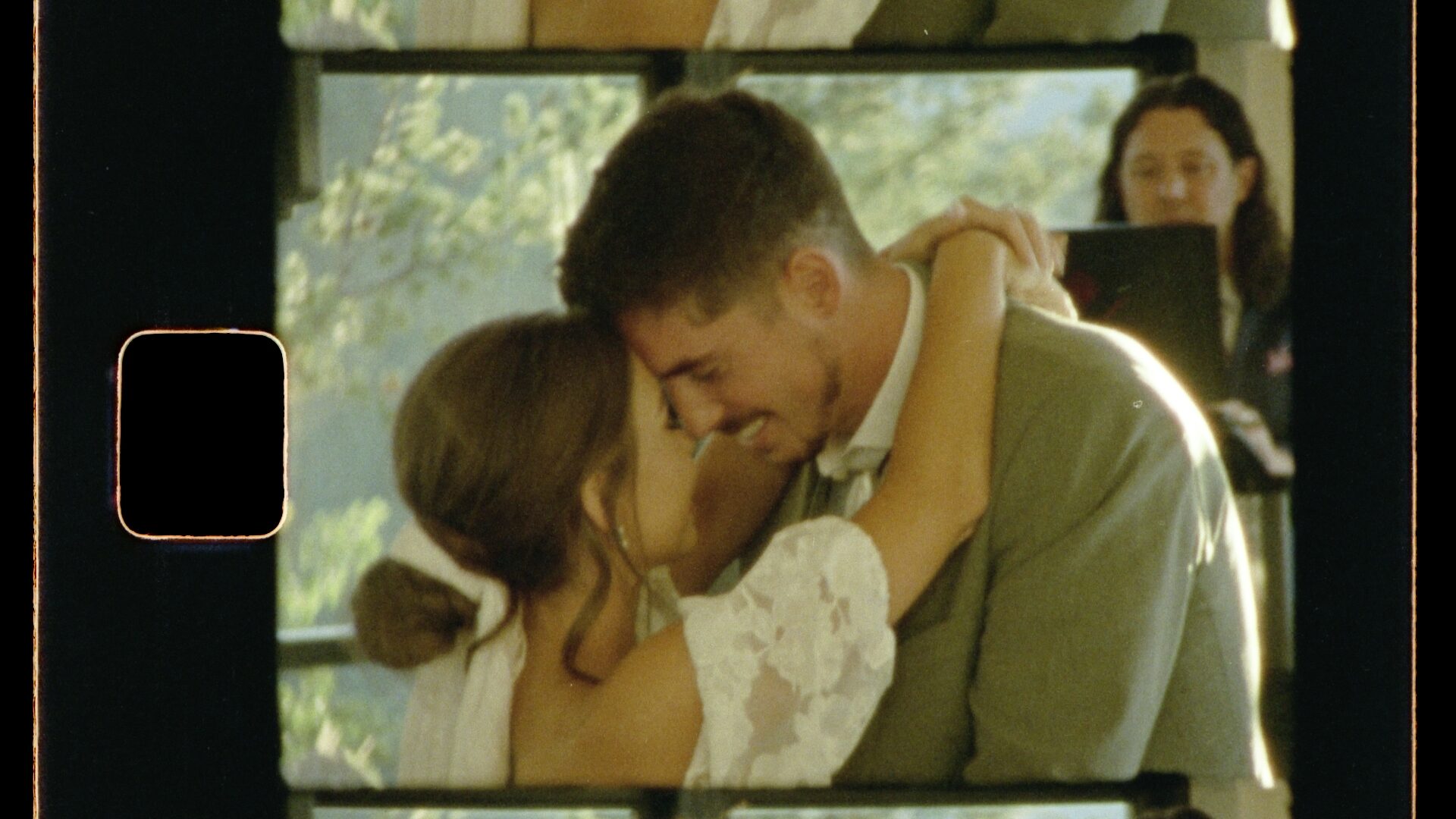
Digital sensors render noise as a flaw, random, clinical, something to be removed in post. Film grain is the opposite. It's the result of silver crystals clustering differently in every individual frame, which means no two frames of your Super 8 reel are exactly alike. The grain moves organically. It responds to light and shadow differently across the image. It creates a texture that tells your eye: this is real, this happened, you were there.
On a wedding day, a day you want to remember as feeling warm, specific, and unrepeatable, that texture matters more than most people anticipate until they see it.
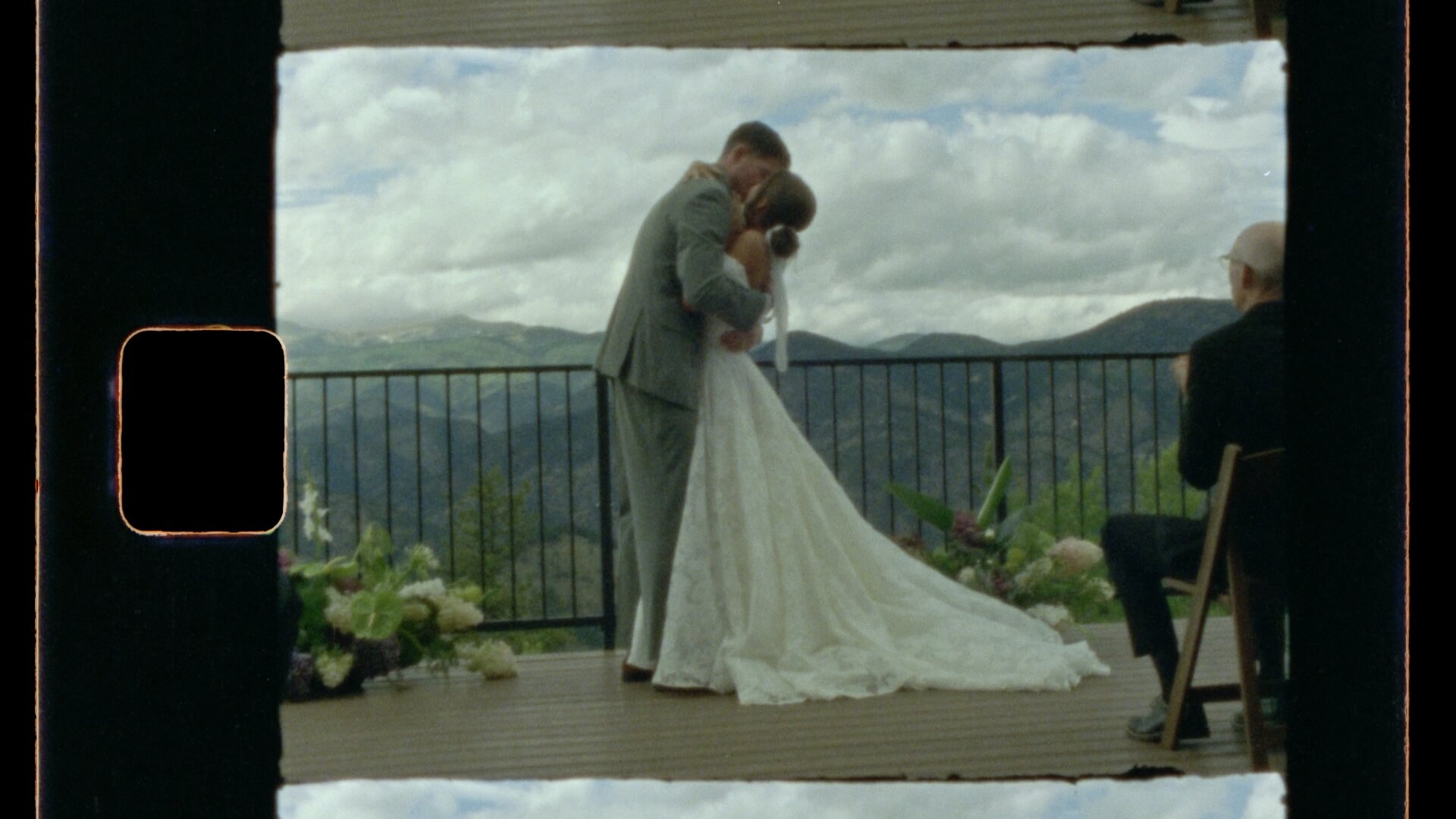
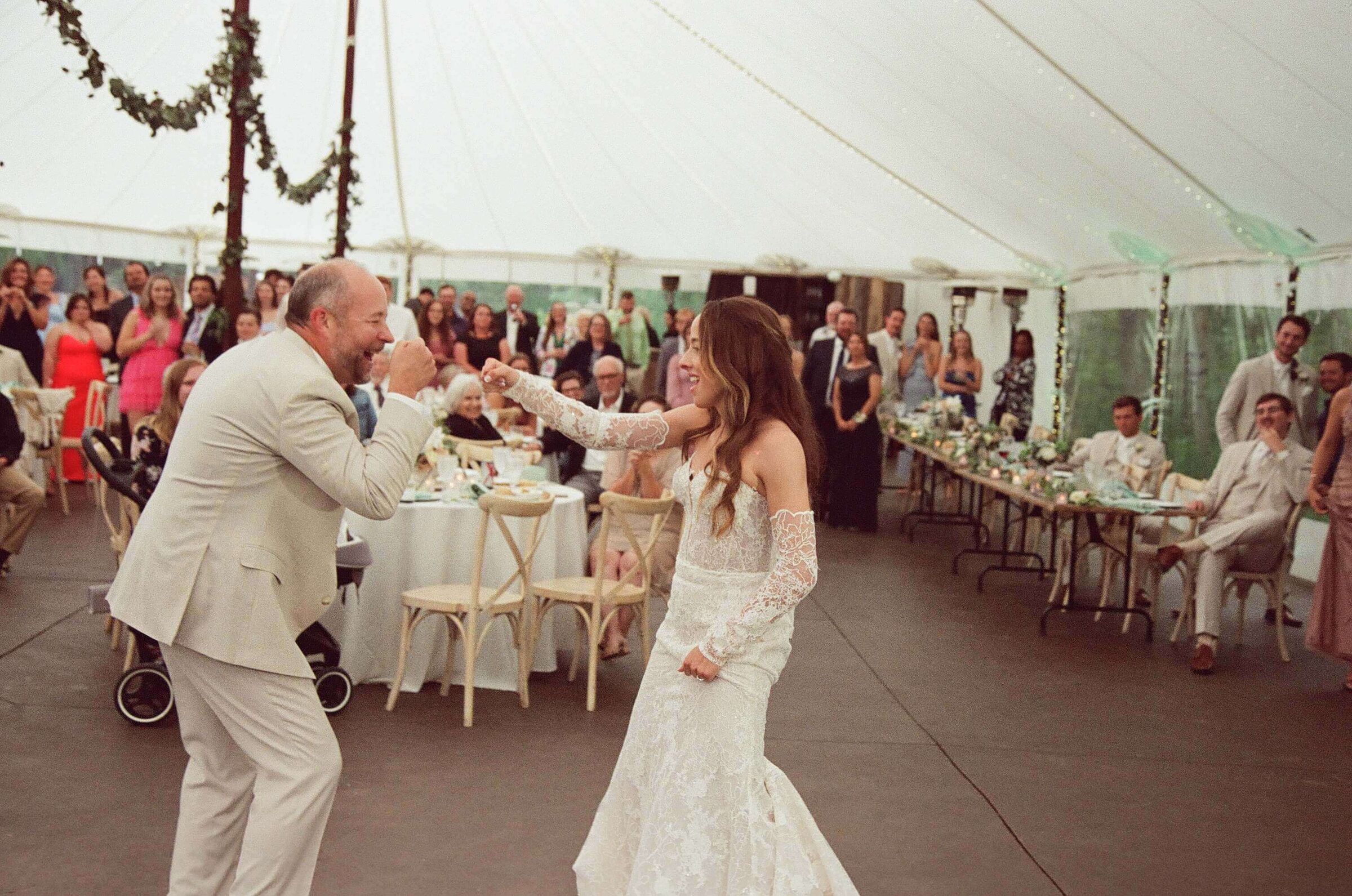
One more thing worth knowing before you see the stills below: Super 8 runs at 18 frames per second, slower than cinema's 24fps and far slower than modern digital. That lower frame rate means more motion blur per frame. Pull an individual still from a Super 8 reel and it may look slightly soft, edges catching in motion. That's not a flaw, and it's not something to fix. It's exactly what makes the moving image look the way it does, the blur becomes movement, and movement becomes memory. The photos below are grabbed directly from film. They look like this on purpose.
The Color Science Is Unlike Anything Digital Can Replicate
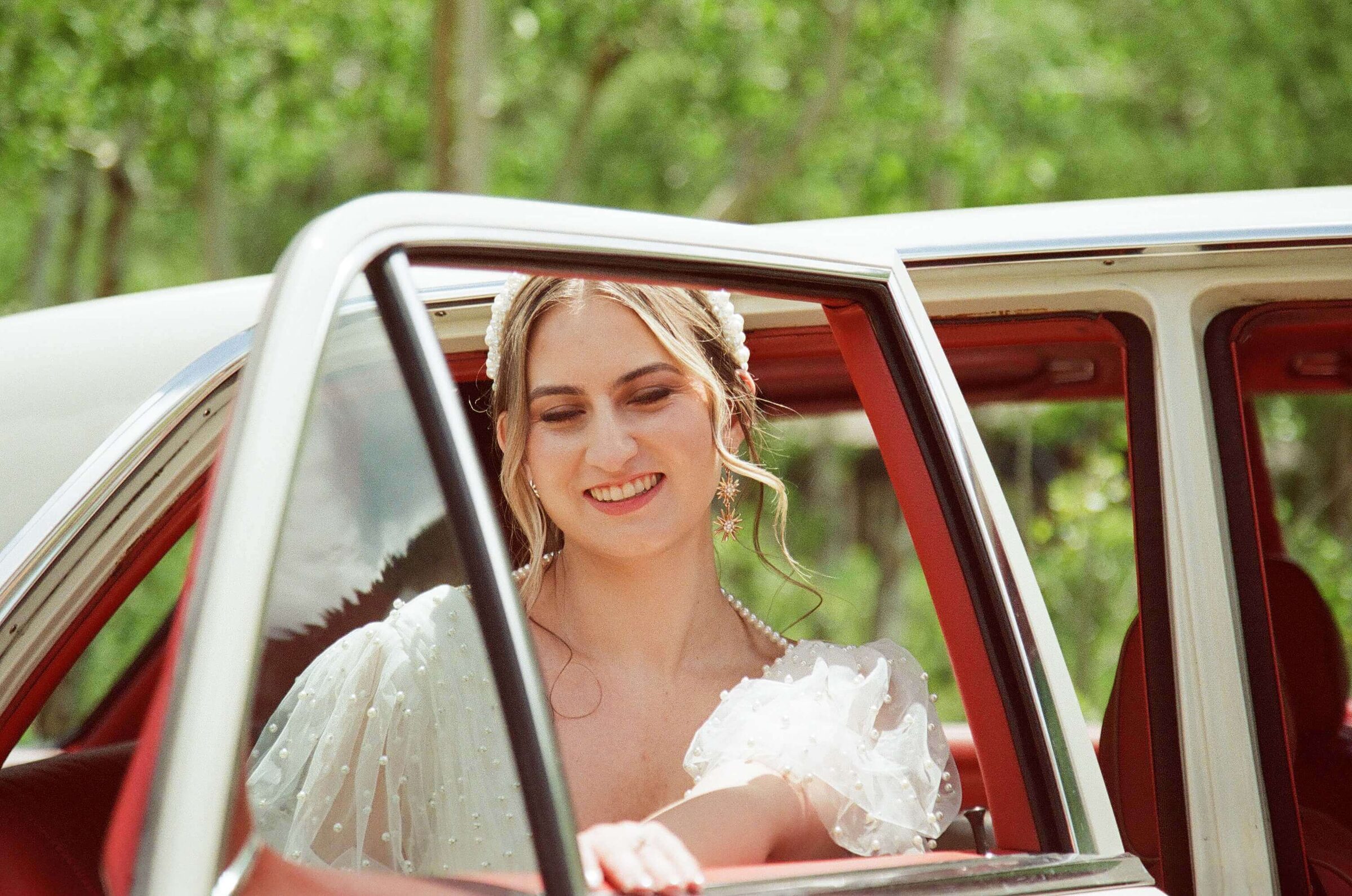
Film stocks have personalities. Kodak Vision3 200T renders shadows with a blue-green cast and skin tones in a specific warm register. Kodak Vision3 500T in available light takes on a different quality entirely. These aren't presets that can be dialed in, they're photochemical reactions baked into decades of formula refinement. When colorists try to replicate Super 8 digitally, they're approximating. When you use actual Super 8, you're getting the real thing.
For a wedding day, where so much of what you want to preserve is warmth, the light in the late afternoon, the look on your person's face, the gold of candles during dinner, that color science is doing something genuinely irreplaceable.
A Brief History, How Super 8 Became the Format of Memory
Home movies shot on Super 8 defined what memory looked like for an entire generation. If you've watched old footage of your parents as children, your grandparents dancing at someone's wedding, a backyard barbecue from the 1970s, you've seen Super 8. You knew what it was before you knew what it was called. The format is inseparable from the feeling of looking back.
When Super 8 fell out of everyday use in the 1980s, it didn't disappear. It moved into the hands of artists and independent filmmakers who recognized what the format did that nothing else could. It appeared in music videos, in indie films, in the specific texture of nostalgia that directors reached for deliberately. It became the visual language for memory as feeling rather than memory as record.
Wedding filmmakers started incorporating Super 8 seriously in the 2010s, initially as a niche offering and then, for studios paying attention to what couples actually responded to emotionally, as a genuine alternative to the clean, processed look that digital had made ubiquitous. Your parents didn't know they wanted their wedding filmed on Super 8 in 1974. They just filmed it, and the format did the rest. You have the option to choose it intentionally, and the awareness of what you're getting when you do.
"Super 8 doesn't just document your wedding. It makes it look the way it will feel in thirty years when you remember it."
Why Super 8mm Wedding Video Suits Your Day Better Than Any Format Ever Made
Digital video is extraordinarily good. Cameras have never been more capable, and the work that skilled wedding videographers produce with them is genuinely beautiful. But digital's strength, its ability to capture everything, in high resolution, in perfect detail, indefinitely, is also the thing that can make it feel like coverage rather than feeling. Super 8 forces a different relationship with time.
It Makes You Point the Camera at What Matters
A roll of Super 8 film is three minutes and twenty seconds of footage. You cannot film everything. You have to choose what's worth a frame, and those choices, made under the pressure of a finite resource, produce something different than unlimited digital recording. You end up with footage of the things that actually mattered: the way your partner looked when they first saw you at the end of the aisle, the specific quality of light during your ceremony, the quiet moments between the big ones that digital coverage sometimes rushes through.
The limitation is the feature.
It Exists in the Physical World
Your Super 8 footage begins as a physical object, a strip of film developed in a lab. You can hold it up to the light and see your wedding day in a series of tiny frames. You can archive it alongside your photographs and other tangible keepsakes from your day. While your digital files live on drives and in clouds and are one catastrophic format shift away from obsolescence, your film negatives are a stable archival format that has already survived more than sixty years. That matters more than people think when they're standing in front of it at their wedding and not thinking about it at all.
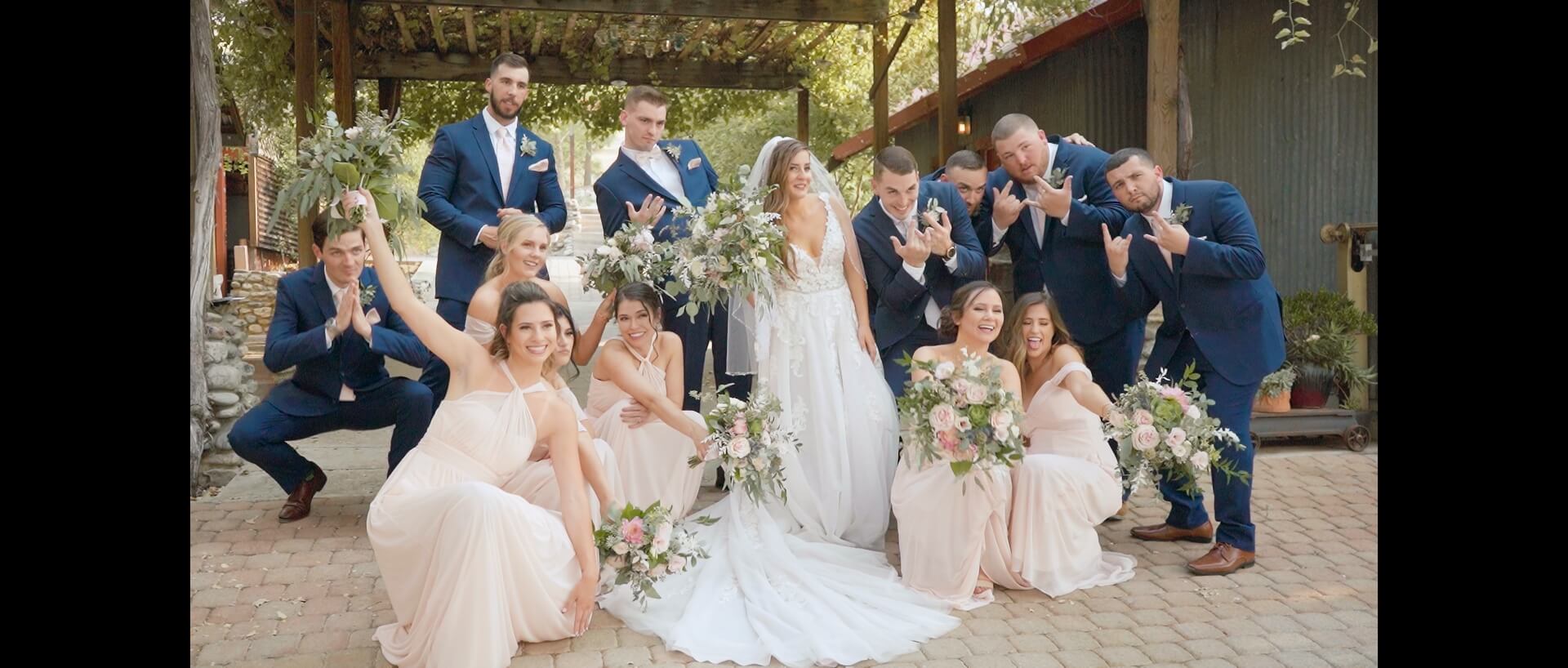
You can see how film integrates with our broader wedding work on the Our Work page, including full wedding galleries where film and digital coverage worked together.
What Your Super 8mm Coverage Looks Like with Motus
We've been working with Super 8 film for years, and our approach is rooted in what actually produces a reel you'll return to, not just a novelty that looks interesting on Instagram and fades from your memory a week later. Super 8 is priced by the cartridge and added to any photography or videography coverage you book, so you decide how much of your day runs through it.
What We Focus On
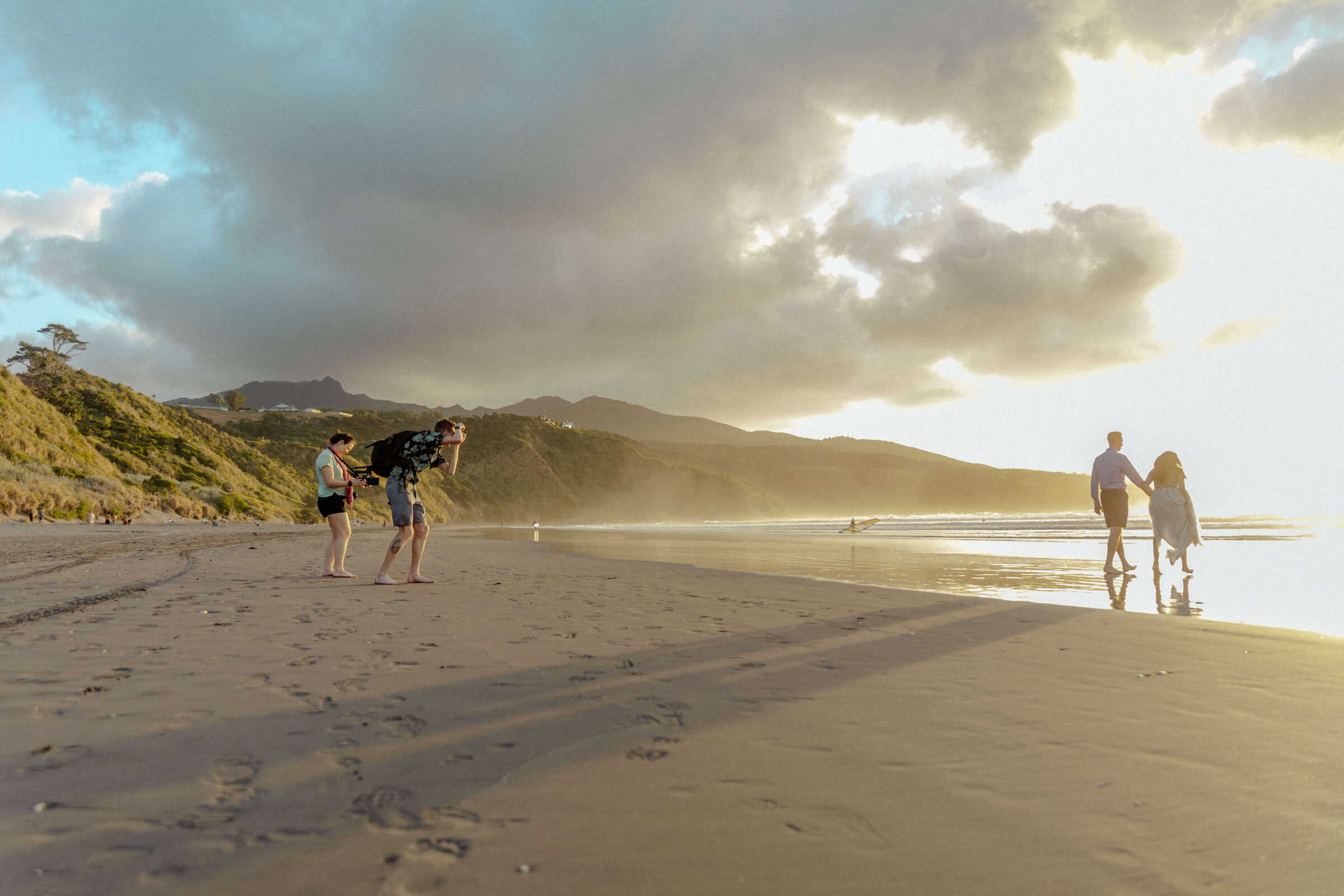
We're not trying to document your day with Super 8 the way digital does. We're using it to capture a feeling. Getting ready moments with actual texture to them, late-afternoon window light, the chaos that always happens twenty minutes before you walk, the ceremony from angles that slow it down rather than covering it comprehensively, first look reactions filmed with the kind of intimacy that only comes from a small, quiet camera you barely notice is there. The quiet moments between the scheduled ones. Dancing that looks like joy, not like a performance of it.
How Much Footage
A single roll gives you about three and a half minutes of footage. Most Super 8 wedding add-ons use two to four rolls, which produces enough to cut a complete short film, five to eight minutes that stands entirely on its own, or complements your full digital video perfectly. We're transparent about what's realistic per roll so your expectations going in match what you receive.
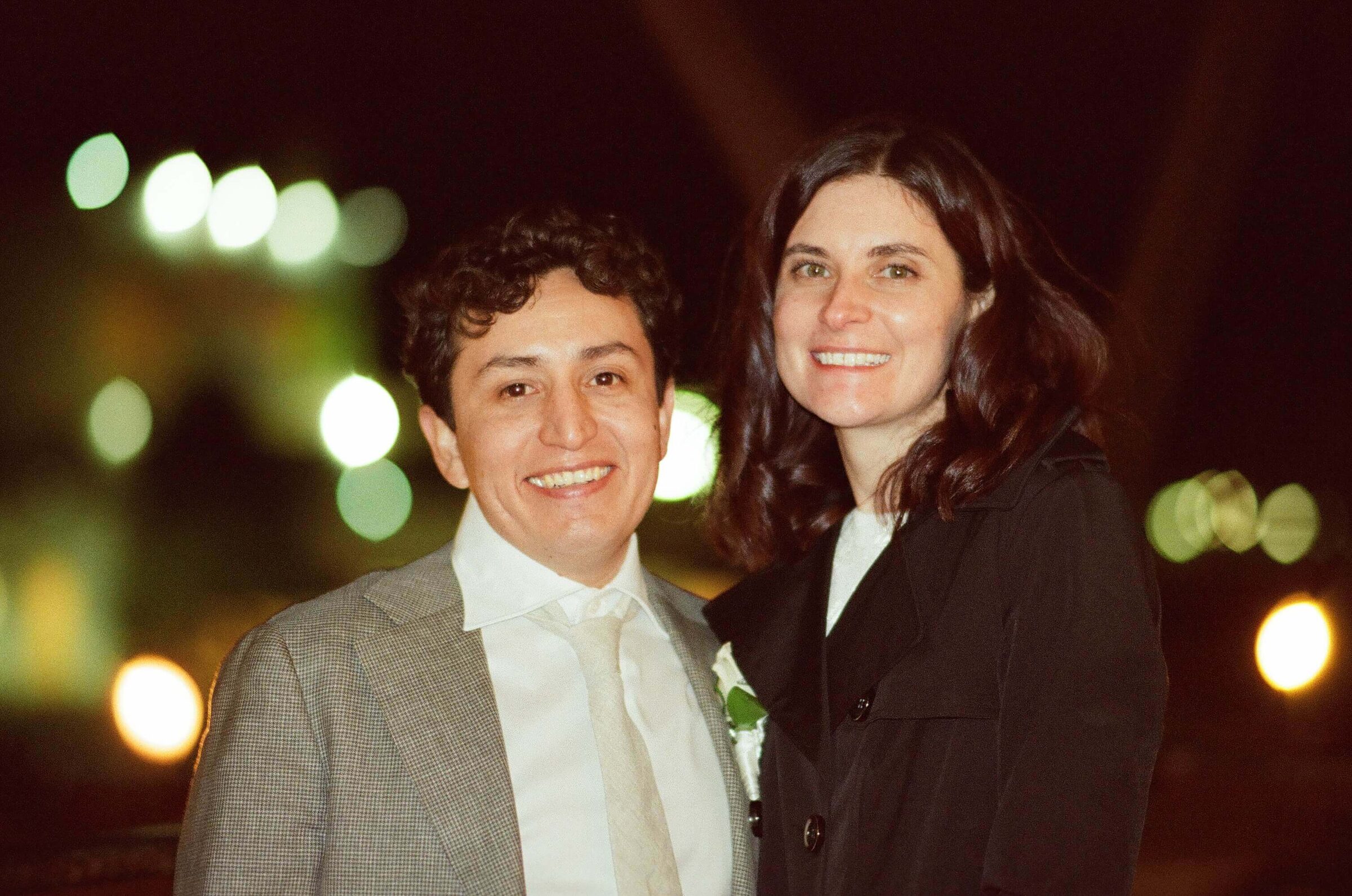
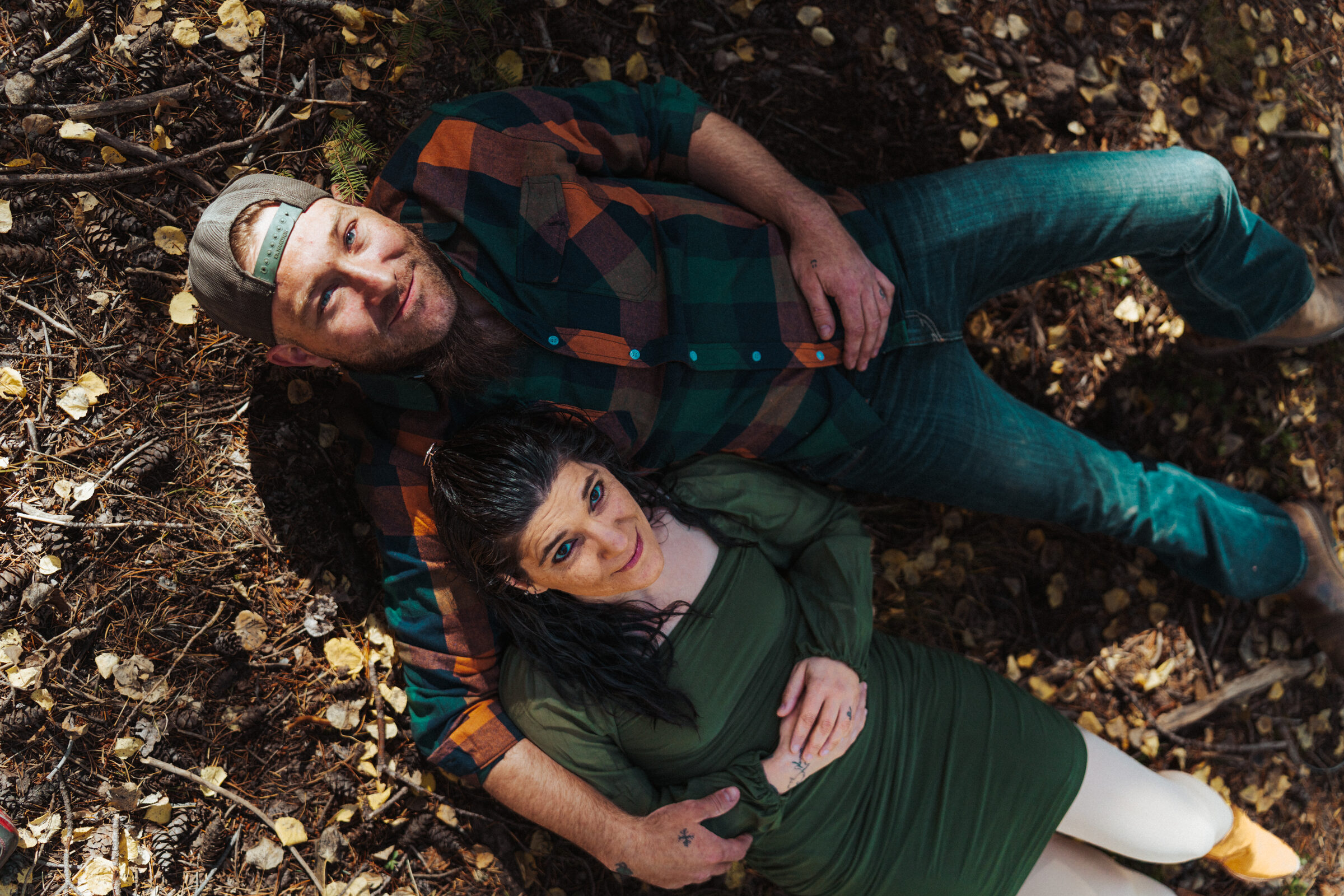
How It's Delivered
After your wedding, your film goes to a professional lab for processing and high-resolution scanning. What comes back to us is your digital file, which we then edit into a finished reel, set to music, with careful attention to pacing and feeling. You receive a download link to the finished film plus, if you've added archival options, your developed negatives returned to you.
How Long It Takes
Film takes longer than digital. Lab turnaround typically runs two to four weeks from when we send the roll, and we build editing time on top of that. You should plan for six to eight weeks from your wedding to final delivery of your Super 8 reel. We think it's worth it. Most couples, when they see the finished film, agree.
Super 8mm vs. Digital Wedding Video, An Honest Comparison
Super 8 isn't better than digital. Digital isn't better than Super 8. They're doing genuinely different things, and the right choice depends entirely on what you want from your wedding film. Here's a direct comparison to help you think it through.
| Characteristic | Super 8mm Film | Digital Video |
|---|---|---|
| Image quality | Organic grain, analog warmth, imperfect in ways that feel intentional | Sharp, clean, high resolution, technically superior in every measurable sense |
| Color rendering | Photochemical, Kodak film stock color science, irreproducible in post | Color-graded in post, beautiful, consistent, malleable |
| Footage length | ~3.5 minutes per roll, finite, intentional | Unlimited, comprehensive coverage of the full day |
| Low-light performance | Atmospheric in candlelight; some limitations in very dark settings | Excellent, modern sensors handle almost any condition |
| Audio | Silent medium, paired with music in post | Full audio, vows, speeches, toasts, ambient sound |
| Delivery time | 6–8 weeks including lab processing | Typically 4–8 weeks editing turnaround |
| Physical archive | Developed film negative, tangible, stable, 60+ year format | Digital file, dependent on drive health and format longevity |
| Emotional register | Feels like memory, feels like the past, feels irreplaceable | Feels immediate, documentary, present-tense |
| Best use case | A companion piece: short, cinematic, atmospheric | Full narrative coverage of your entire wedding day |
The short version: if you want your wedding comprehensively documented, digital is the answer. If you want something that looks the way you'll feel about that day in thirty years, Super 8 does that in a way digital can't. Most couples who add Super 8 already have digital coverage, the film is a complement, not a replacement.
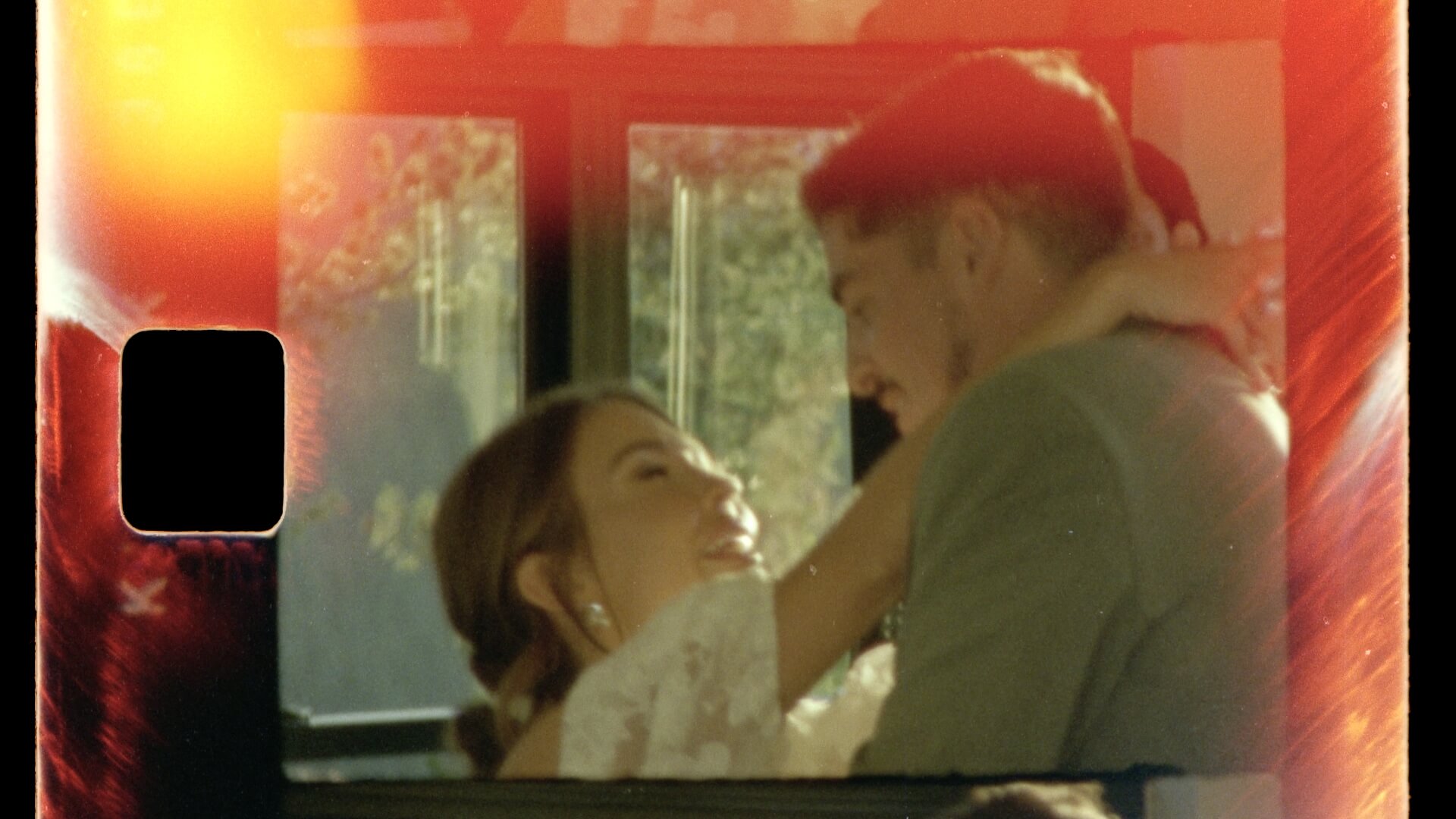
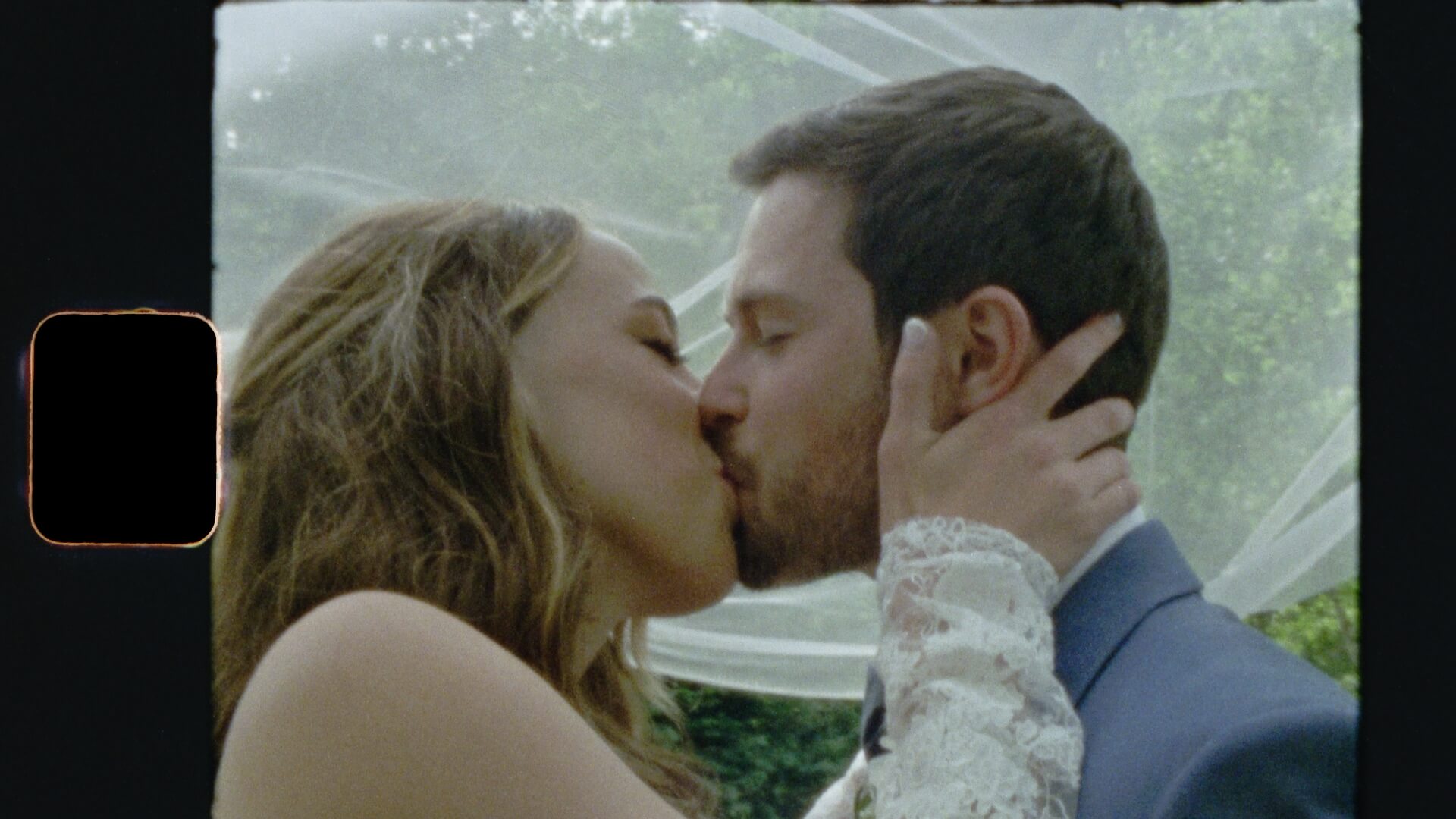
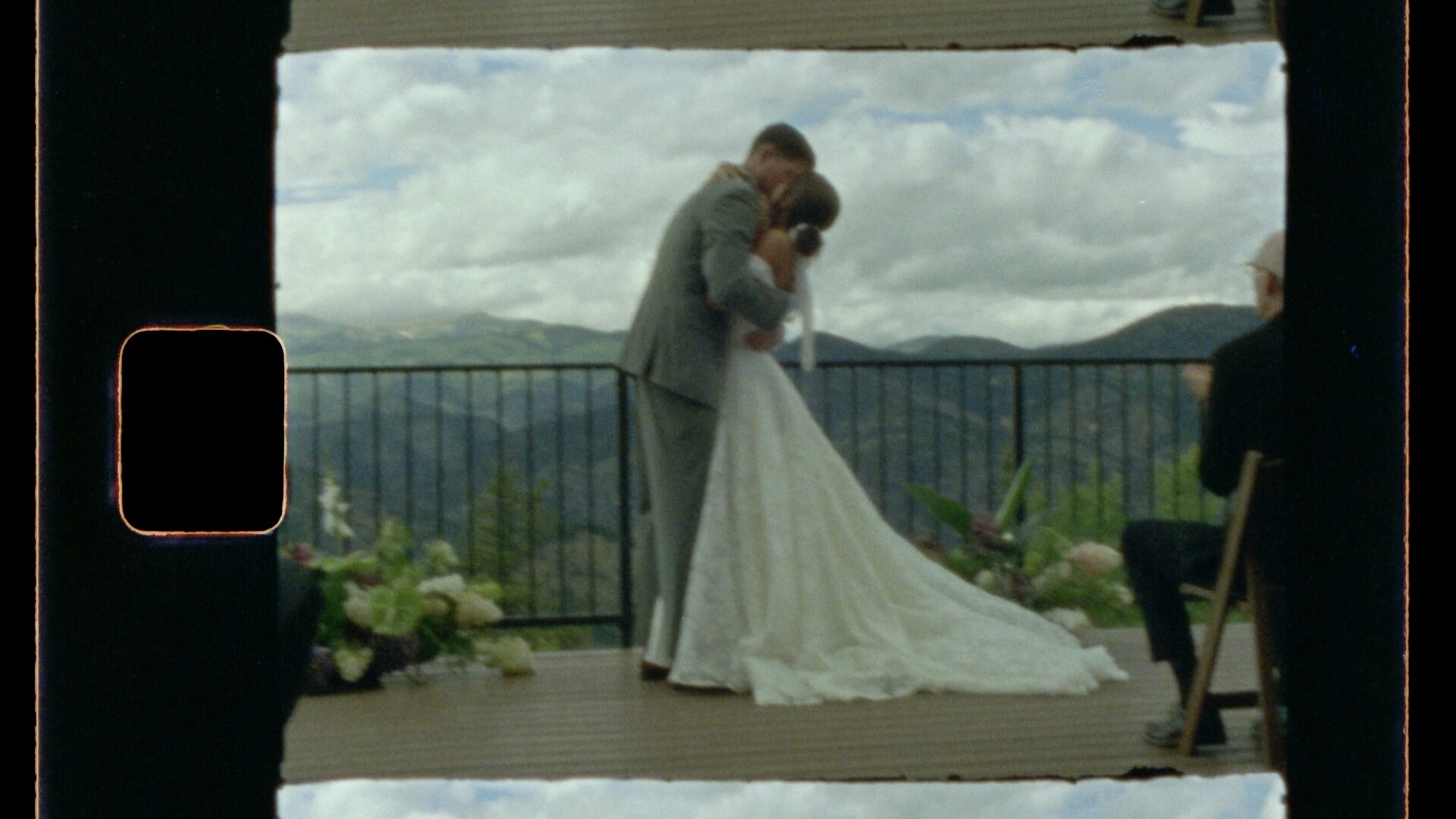
Super 8 is especially compelling for elopements, where the day is smaller and every frame of film goes further. Our elopement coverage frequently pairs Super 8 with still photography for couples who want the full sensory record without a large wedding production. Dreaming of saying vows on public land? Start with our national park elopement guide.
Your Questions About Super 8mm Wedding Video, Answered
Does Super 8 replace my digital video coverage?
No, and it's not designed to. A Super 8mm wedding video is a complement to digital, not a replacement. Think of it as a short, atmospheric companion piece: a 3–8 minute film reel that captures the feeling of your day in a way digital never quite manages. Your digital video handles comprehensive narrative coverage. Your Super 8 handles something else entirely.
What happens in low-light situations at the wedding?
Super 8 handles candlelight and dim reception light beautifully, the grain becomes part of the atmosphere rather than a problem. We select film stocks suited to your specific lighting conditions when possible, and we're honest with you about what works and what doesn't in your particular venue. If your reception is very dark, we'll tell you that upfront rather than setting expectations we can't meet.
Is audio captured on Super 8?
Super 8 is a silent medium. The finished film is set to music, your choice or a collaborative selection. If you want your vows or speeches preserved with audio, your digital coverage is the right tool for that. The two formats work together: one handles sound, one handles feeling.
How much does Super 8mm wedding video cost?
If you're booking photography or videography with us, Super 8 is yours to add, priced by the cartridge. We think it's one of the most meaningful things we bring to a wedding day, and you decide how much of it you want. You get the finished digital film reel alongside your coverage.
If you're looking for a dedicated Super 8mm day, a styled session, an anniversary, a standalone film project, those start at $1,250. You can see how everything fits together on our investment page, or reach out and we'll talk through what makes sense for your specific day.
When should I book Super 8 coverage?
As early as possible. We take on a limited number of Super 8 weddings each season to make sure every roll gets the attention it deserves, from planning the right film stocks to editing with genuine care. If Super 8 matters to you, it's worth mentioning it the first time you reach out rather than adding it on later.
Super 8mm wedding video is not for every couple, and we'd never try to convince you it should be. Some people want their wedding documented completely and clearly, and digital does that better than anything ever has. But if you've read this far, you probably already know that's not quite what you're looking for. You're looking for something that will feel, in twenty years, the way your wedding actually felt, not a comprehensive record of what happened, but something closer to the truth of it.
That's what Super 8 does. We've been honored to carry that camera on days that mattered more than almost anything, and the resulting films are among the work we're most proud of. If it sounds like the right thing for your day, we'd love to talk about it.
We photograph and film weddings and elopements across Colorado and beyond. If you're curious about where we've been and what we bring back, explore our destinations and full portfolio.
About the Author
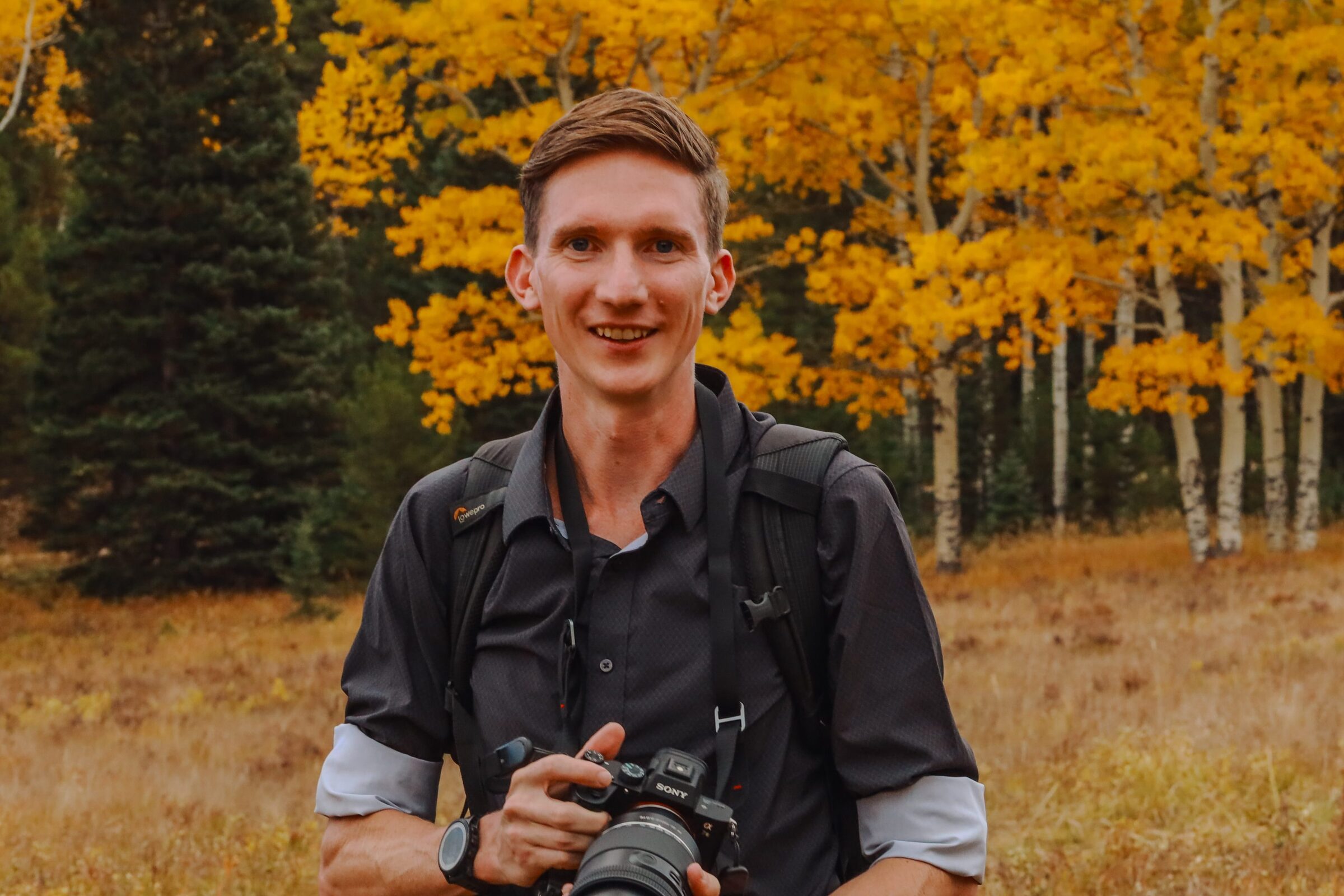
Brandon Krage
Brandon is the owner and primary filmmaker behind Motus Weddings, a Colorado-based wedding photography and videography studio. He has been shooting Super 8mm and 16mm cinema film at weddings since 2020 and has carried the camera on more than 60 wedding days across Colorado and beyond.