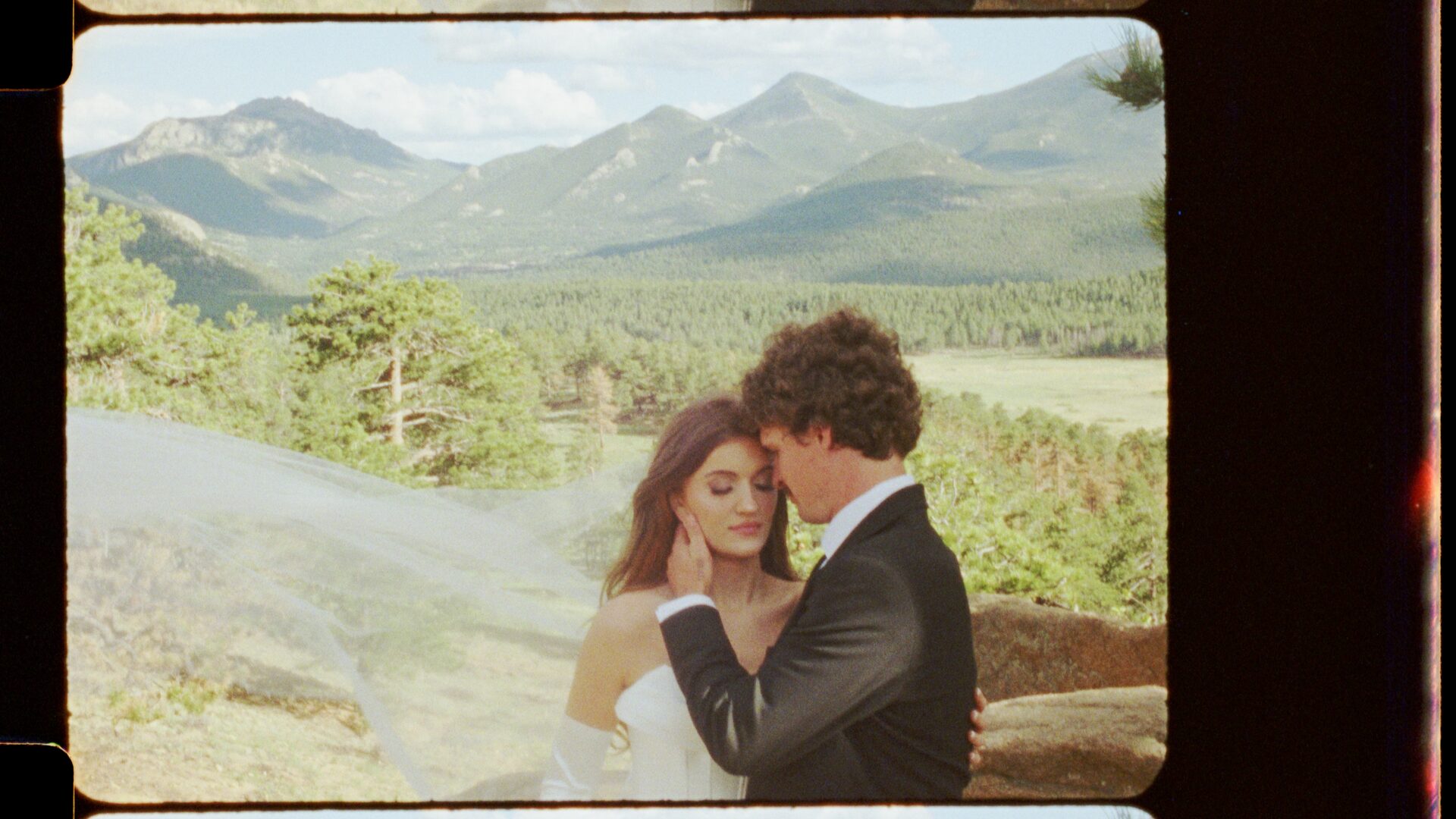
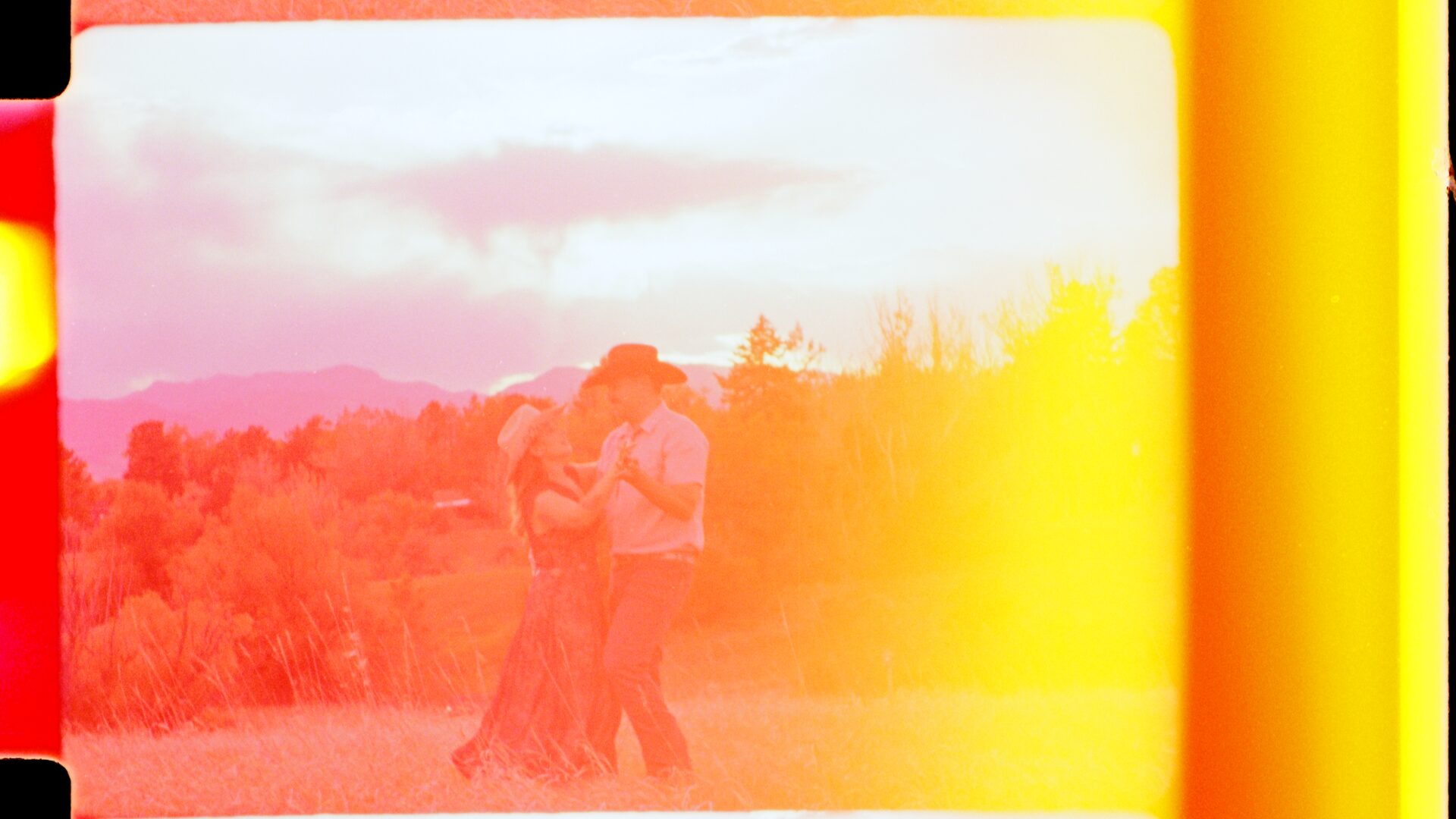
Most couples planning a wedding don't know there's a difference. Their videographer says "film," and they picture the warm, textured aesthetic they fell in love with on Instagram. The look is real. The feeling is real. But not all film is equal, and the format your videographer shoots on shapes the final image more than any preset, any edit, any color grade ever could.
We recently became one of the first wedding media companies in the country to offer 16mm cinema film coverage. Everyone else is upgrading to 8K, a resolution jump so subtle the difference from 4K is nearly invisible to the untrained eye. But more sharpness in a wedding film isn't an advantage. We're not shooting action movies. We're shooting something softer, more emotional, more felt than seen. That quality is exactly what analog film gave cinema from the 1920s through the mid-20th century, when 16mm was the format the world used to document what mattered. We went back. This post explains why going backward is the most significant step forward the wedding film world has seen in decades.
"The format is the first creative decision. Everything downstream, how it looks, how it feels, how it holds up twenty years from now, flows from that choice."
| Super 8mm | 16mm | |
|---|---|---|
| Film Frame | Small: consumer home-movie format | 3× bigger: professional cinema standard |
| Camera | Consumer cartridge, semi-auto exposure | Cinema body, full manual control |
| Low-Light | Limited in dim venues & receptions | Handles dark spaces with ease |
| Grain | Visible, home-movie aesthetic | Fine, cinematic, holds up on any screen |
| Heritage | Family home movies, designed 1965 | Feature films, documentaries & broadcast |
| In Weddings | Common: most film studios offer it | Extremely rare: almost no one offers it |
We're one of the only wedding media companies in the country offering true cinema film coverage. We only take a limited number of 16mm shoots each season.
Still deciding between formats? Read our Super 8mm guide to understand what each one actually produces.
Check Availability for Your DateWhat 16mm Actually Is
16mm film was developed in the 1920s as a smaller, more portable alternative to 35mm, but still a professional-grade format designed for serious work. It became the backbone of documentary cinema, television news, independent film, and broadcast production for most of the 20th century. If you want the deeper case for the format on its own, our guide to 16mm wedding videography covers what it looks like and what it captures.
When you watch Moonrise Kingdom, Black Swan, early Scorsese, or the raw news footage that shaped public memory of the Vietnam War, you're watching 16mm. When Darren Aronofsky shot Pi with the grainy, high-contrast intensity of a mind unraveling, he reached for 16mm. The format has a hundred-year track record of producing images that feel alive in a way nothing else quite matches.
That heritage is the first thing 16mm brings to your wedding day. Not nostalgia, legitimacy. The format the world trusts for real stories.
You've already seen 16mm, you just didn't know it. March of the Penguins (2005), the fourth highest-grossing documentary of all time, was shot entirely on Aaton 16mm cameras in −40° Antarctic conditions. First Man (2018), Damien Chazelle's Neil Armstrong biopic, shot its intimate cockpit and home scenes on 16mm to put you inside Armstrong's world, opening up to 65mm and IMAX only for the moon landing; it won the Academy Award for Best Visual Effects. The Hurt Locker (2008), winner of six Academy Awards including Best Picture, used 16mm cameras specifically to achieve what director Kathryn Bigelow called a "raw, immediate, visceral" feeling that digital couldn't touch.
It's also worth knowing that filmmakers like Wes Anderson, whose visual language in The Royal Tenenbaums, The Grand Budapest Hotel, The French Dispatch, Asteroid City, and the Netflix shorts The Wonderful Story of Henry Sugar has shaped what cinematic visual storytelling looks like for an entire generation, typically shoots on 35mm, the larger professional cinema format. 35mm shares the same professional camera bodies, interchangeable lenses, and full manual control as 16mm. We don't offer 35mm yet, but the point is this: those two formats belong to the same professional family. Super 8 never did.
It's not just cinema, either. Music's biggest artists keep choosing film for the same reason: because when you want something to feel soft, warm, and emotionally true, digital resolution works against you. Finn Wolfhard (Mike from Stranger Things) shot his debut solo video Objection! entirely on 16mm in the snowy landscapes of British Columbia. Harry Styles shot Watermelon Sugar on 16mm using an Arri SR3 cinema camera; that hazy, golden, sun-drenched look earned it a Grammy and over 220 million views. Taylor Swift shot All Too Well: The Short Film on 35mm, the same professional film family, specifically because she wanted that feeling you can't manufacture in post. More sharpness would have ruined all of them.
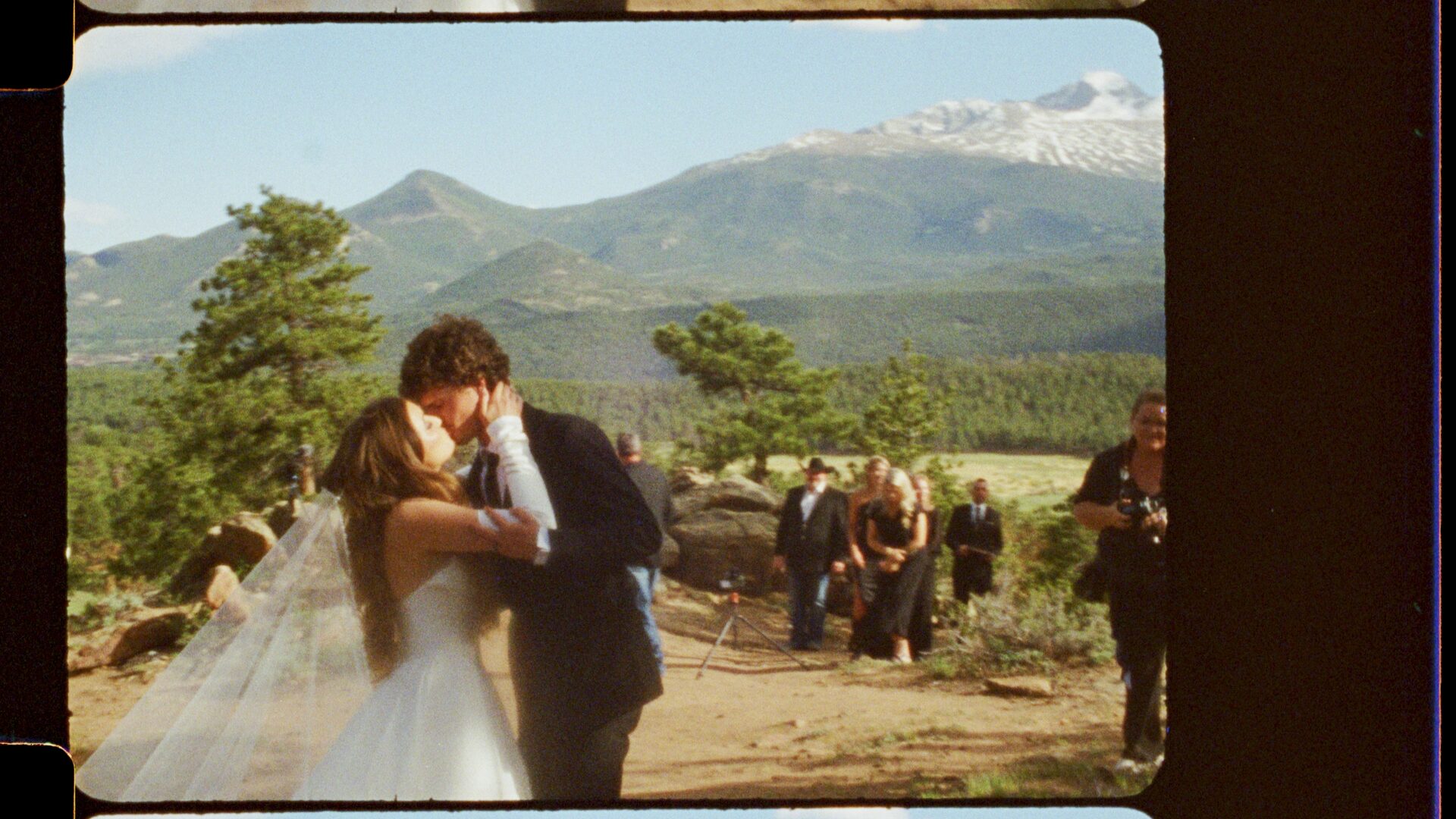
The Frame Size Gap (This Is the Big One)
Here's the technical fact that matters most, and the one most wedding videographers won't mention: the 16mm film frame is more than three times the area of a Super 8mm frame.
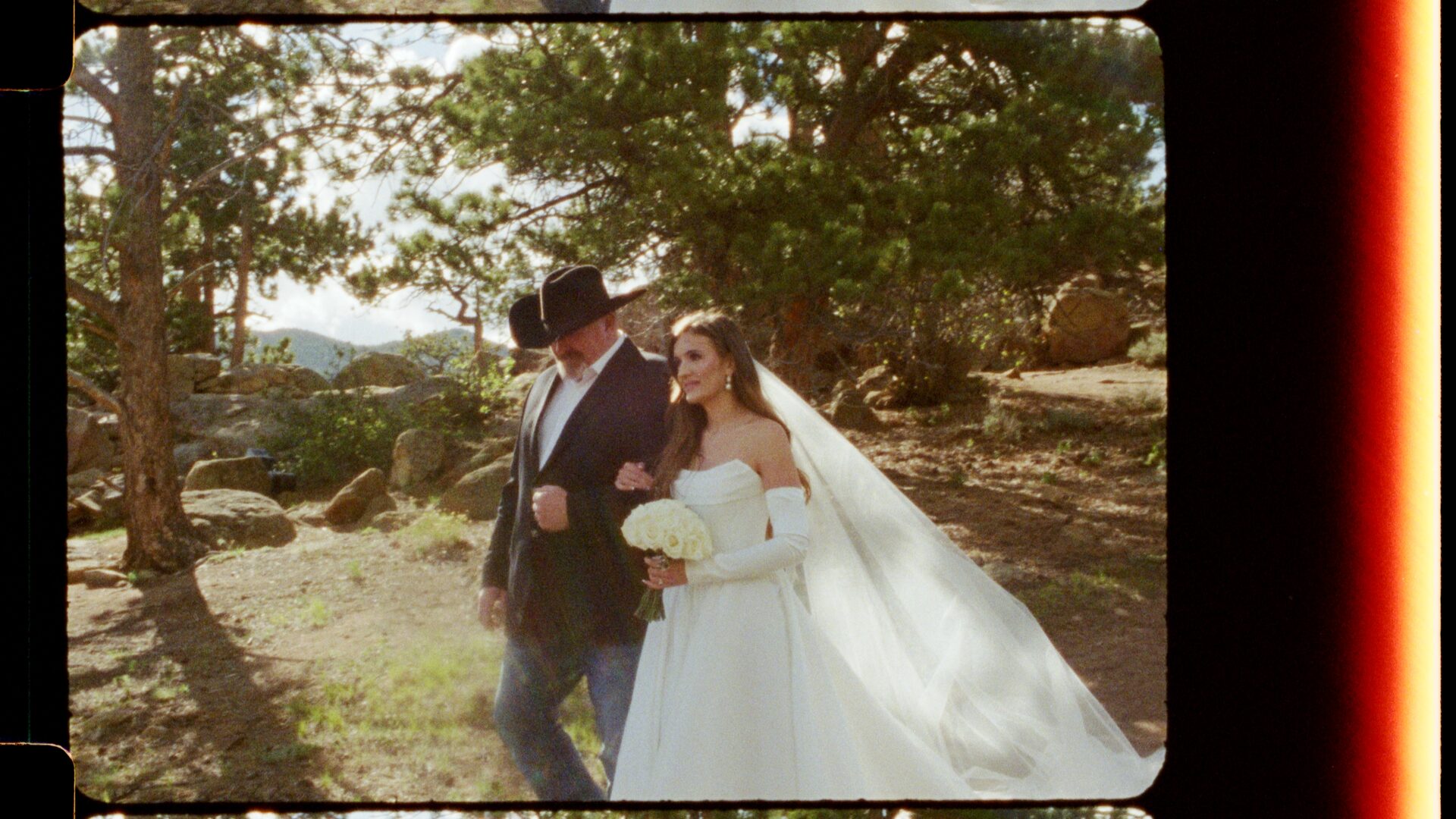
In film photography and cinematography, frame area is everything. More physical film area means the grain structure is finer relative to the image size, which translates to a sharper, more detailed image with richer shadow information and better performance when the light gets difficult.
Why Frame Size Determines the Entire Look
When you enlarge a photograph, the grain enlarges with it. A smaller negative printed to the same size as a larger negative will show coarser grain, less micro-detail, and compressed tonal range. The same physics apply to motion picture film. A Super 8mm frame blown up to fill your television screen is working against its own size limits. A 16mm frame has room to breathe.
This isn't a subtle difference. It's the difference between film that looks cinematic at any viewing size and film that looks its best at smaller resolutions. One was designed to be projected on a living room wall. The other was designed for the cinema.
The Origins Tell You Everything
Super 8mm was introduced by Kodak in 1965 as a consumer format, engineered for family home movies, built for ease of use, sized for convenience. That's not a criticism; it's what made it charming. The format's accessibility is part of its appeal, and the home-movie aesthetic it produces is genuinely beautiful for what it is.
16mm was never a consumer format. It was always a professional tool. The cameras were designed for working cinematographers. The lenses were designed for real productions. The format was designed to hold up under the demands of serious filmmaking, which is exactly the set of demands your wedding day puts on film.
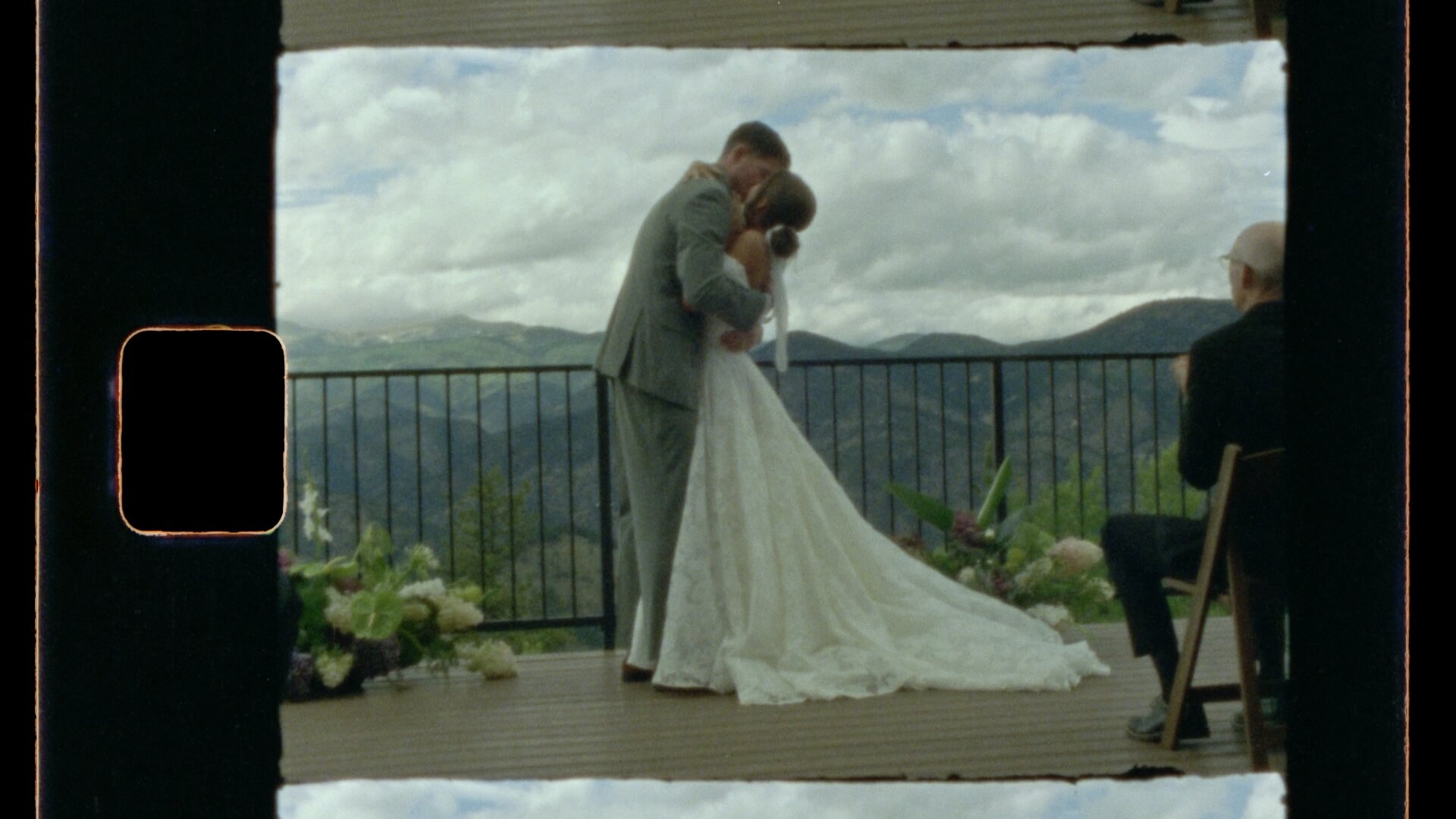
The Camera Difference, Cinema Glass vs Consumer Cartridges
Frame size is the headline. But the camera difference is equally significant.
Super 8mm Cameras
Super 8mm cameras, the Canon 1014, the Beaulieu 4008, the Elmo, the Chinon, were designed to be easy. Most load via a drop-in cartridge, have semi-automatic or fully automatic exposure, and use built-in fixed or simple zoom lenses. The point-and-shoot simplicity is part of their design intent. It's what made them accessible to families in the 1960s and '70s, and it's what makes them accessible to videographers who want the film aesthetic without deep technical investment.
That ease is genuinely charming. It's also a ceiling. Cartridge cameras don't give you much room to make creative decisions about exposure. The lenses are fine, but they are the lenses that were available when consumer cameras were being designed for the mass market. That's not the same class of glass being used on productions.
16mm Cameras
A 16mm cinema camera, a Bolex H16, an Arri 16SR, an Eclair ACL, is a different instrument entirely. These cameras accept interchangeable lenses from the same optical families used in professional production. Manual focus. Manual exposure. Full creative control over depth of field, aperture, frame rate, and how the image reacts to light.
The glass available for 16mm cinema cameras is in a different class. We're talking about lenses designed for production, with consistent color rendition, precise focus, and optical character that holds up under the scrutiny of a cinema screen. A 16mm lens pulling focus on a couple's first dance handles the candlelight in a way that's simply not available to a cartridge camera with a fixed zoom.
On your wedding day, the camera's ability to respond to changing light, the bright sun outside, the dim church interior, the warm glow of reception candles, determines how much of your day is actually captured beautifully. A camera with full manual control and cinema-grade glass can adapt. A consumer cartridge camera is doing its best with what it has.
What This Means for Your Wedding Film
All of this technical context translates into real, visible differences in your final film:
Richer Shadows and Highlight Detail
A larger negative captures a wider exposure latitude, meaning more information in the brightest and darkest areas of the frame. For weddings, where you're constantly moving between bright outdoor light and dim indoor spaces, this matters. 16mm holds onto detail in the shadows and doesn't blow out the highlights the way a smaller format can.
A More Cinematic Feel at Any Size
Super 8mm looks beautiful on Instagram. On a 75-inch television, or projected at a 10-year anniversary dinner, the smaller grain structure of 16mm holds up in a way Super 8mm can't. You're not just making a film for the week after your wedding. You're making something you'll watch for the rest of your lives.
Better Low-Light Performance
Church ceremonies. Reception halls lit by candlelight and string lights. The quiet moment at the end of the night when the only light is the glow from the bar. These are the shots that matter most, and they're the hardest conditions to shoot film in. The larger frame of 16mm and the quality of the lenses available for it give us significantly more to work with when the light gets difficult.
A Genuinely Unique Look
Super 8mm has had its moment in the wedding world. It's been beautiful, and we've loved shooting it. But it's also become the standard option, the expected format for couples who want film. 16mm is something almost no one in the wedding industry is doing. The look is distinct: richer, sharper, more textured, with a character that doesn't look like anything else couples are seeing in their peers' wedding films.
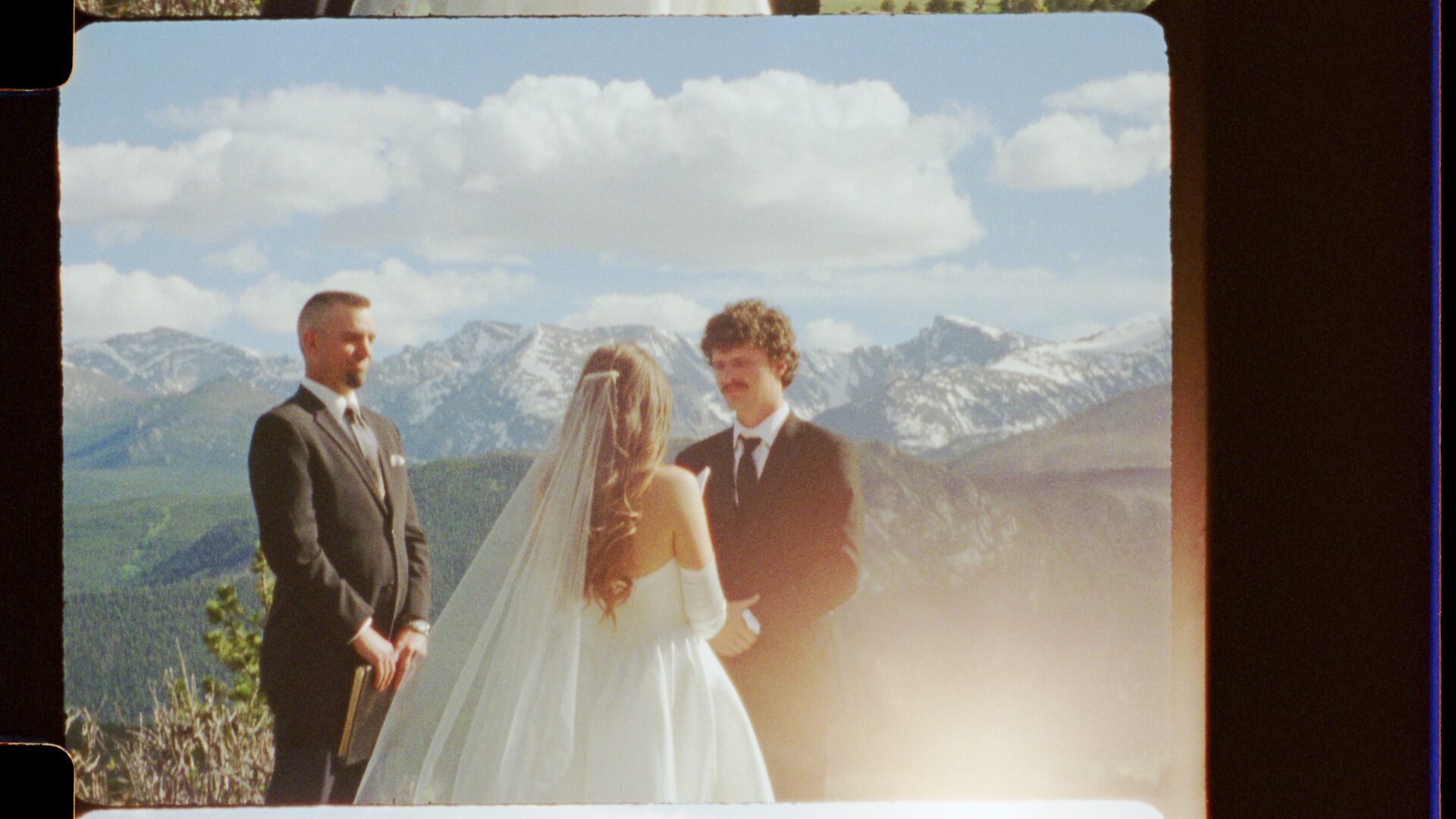
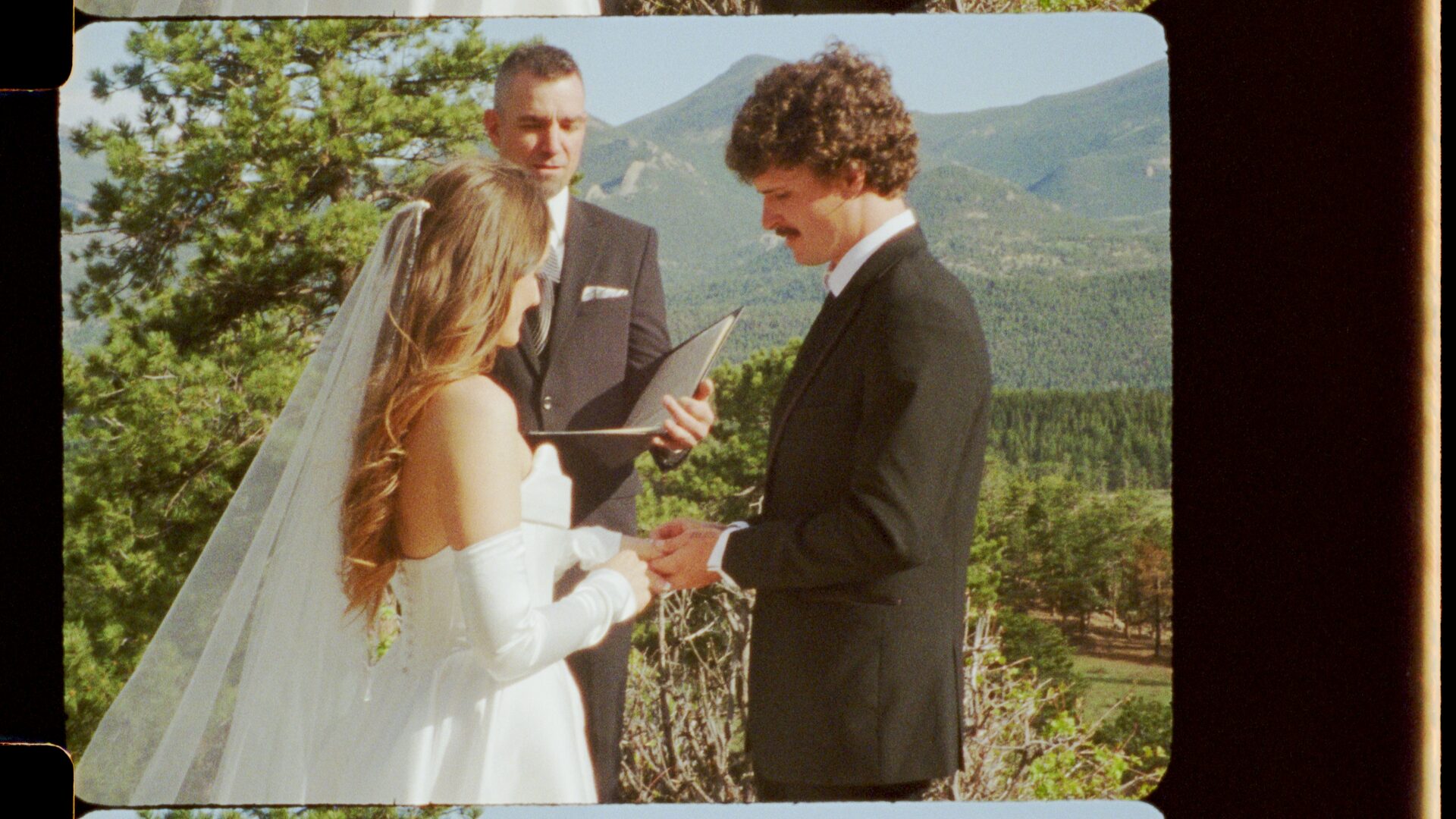
Why Most Wedding Videographers Haven't Made the Switch
This is worth being direct about.
Super 8mm became popular in the wedding industry in part because the aesthetic is genuinely lovely. But it also became popular because the barrier to entry is low. A Super 8mm camera can be purchased for a few hundred dollars. Loading a cartridge is a thirty-second process. The exposure automation handles most of the decisions. Almost anyone can pick one up, load it, and produce something that looks like film.
16mm is different in every one of those dimensions.
The cameras require periodic maintenance and calibration to ensure accurate frame registration and exposure. The film is more expensive per foot. Loading a 100-foot daylight spool correctly, managing exposure manually across the shifting light conditions of a wedding day, pulling focus on moving subjects, understanding how different film stocks respond to different light sources, these require genuine investment in the craft. Not just owning the camera, but knowing how to use it.
That investment is exactly what most wedding videographers haven't made. The Super 8mm cameras that are common in the wedding industry are doing real work and producing real beauty. But they are consumer cameras loaded with a consumer cartridge, and there is a ceiling to what they can produce that a professional cinema format simply doesn't have.
We made the investment because we believe the couples we work with deserve the best tool available, not the most accessible one. Analog film wedding videography at this level requires serious craft, and that's exactly the point.
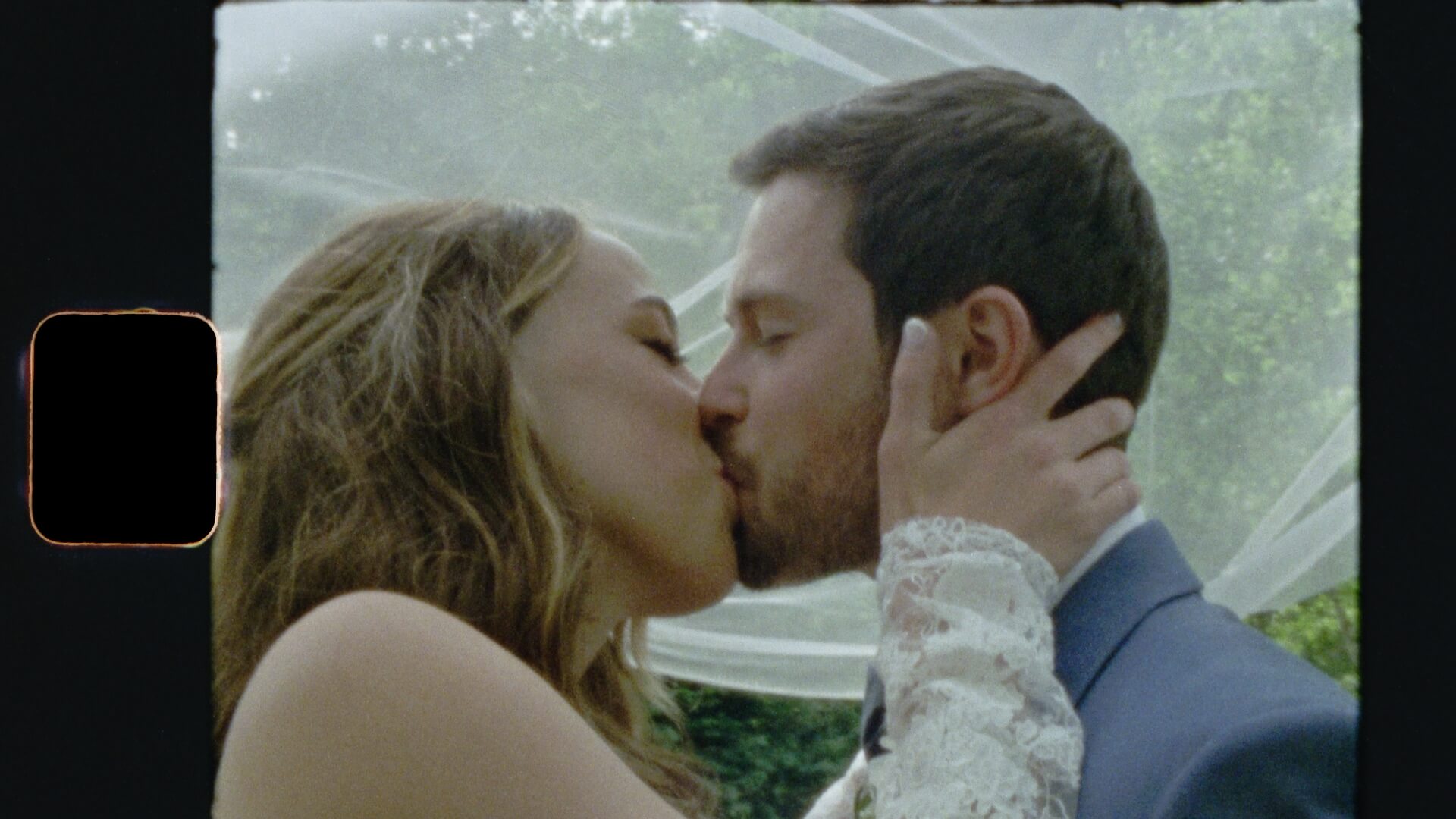
What Our 16mm Coverage Looks Like
Here's how 16mm actually integrates into your wedding day with Motus. You can also see our work to get a sense of what we produce across formats.
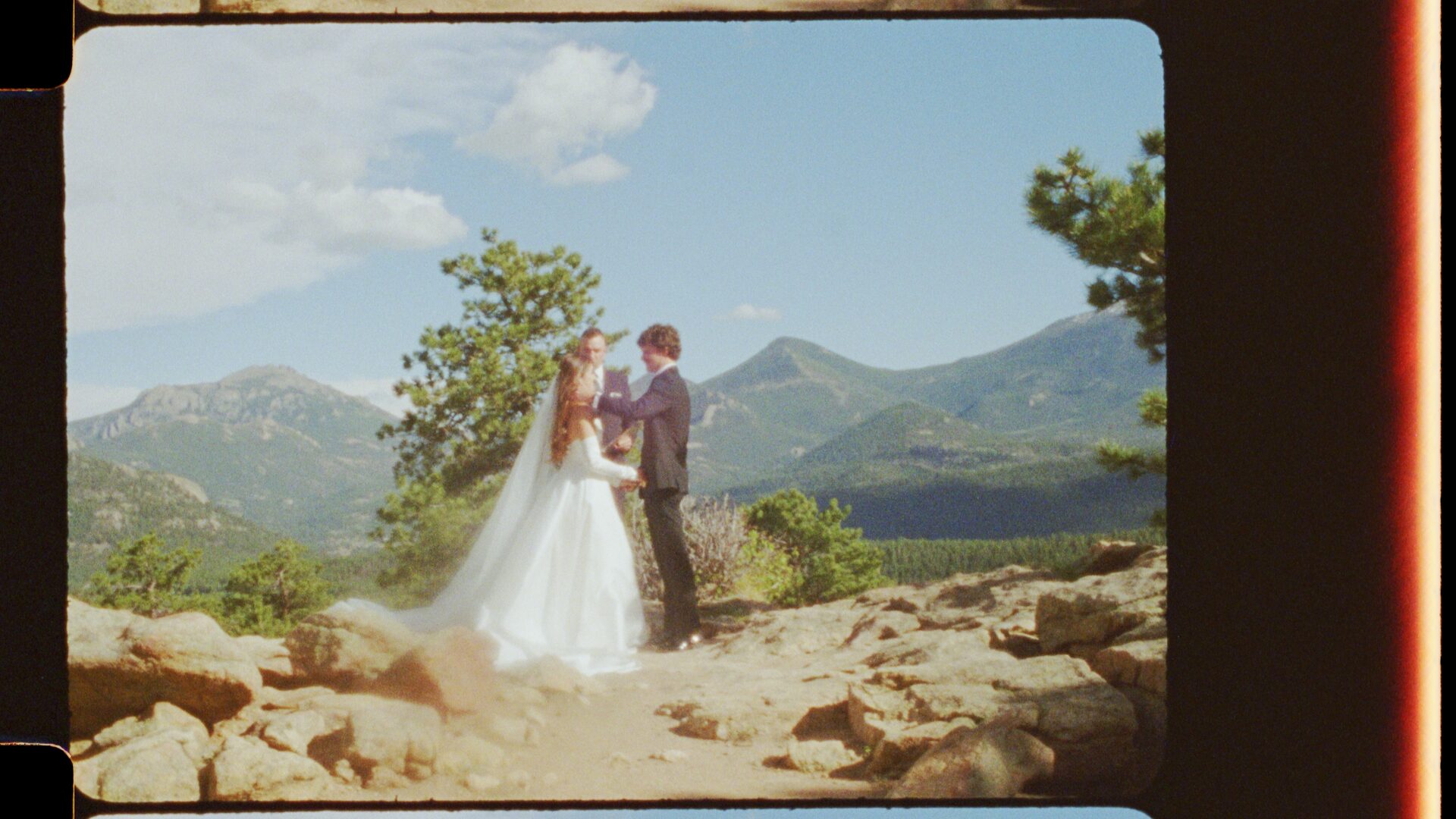
When We Roll 16mm
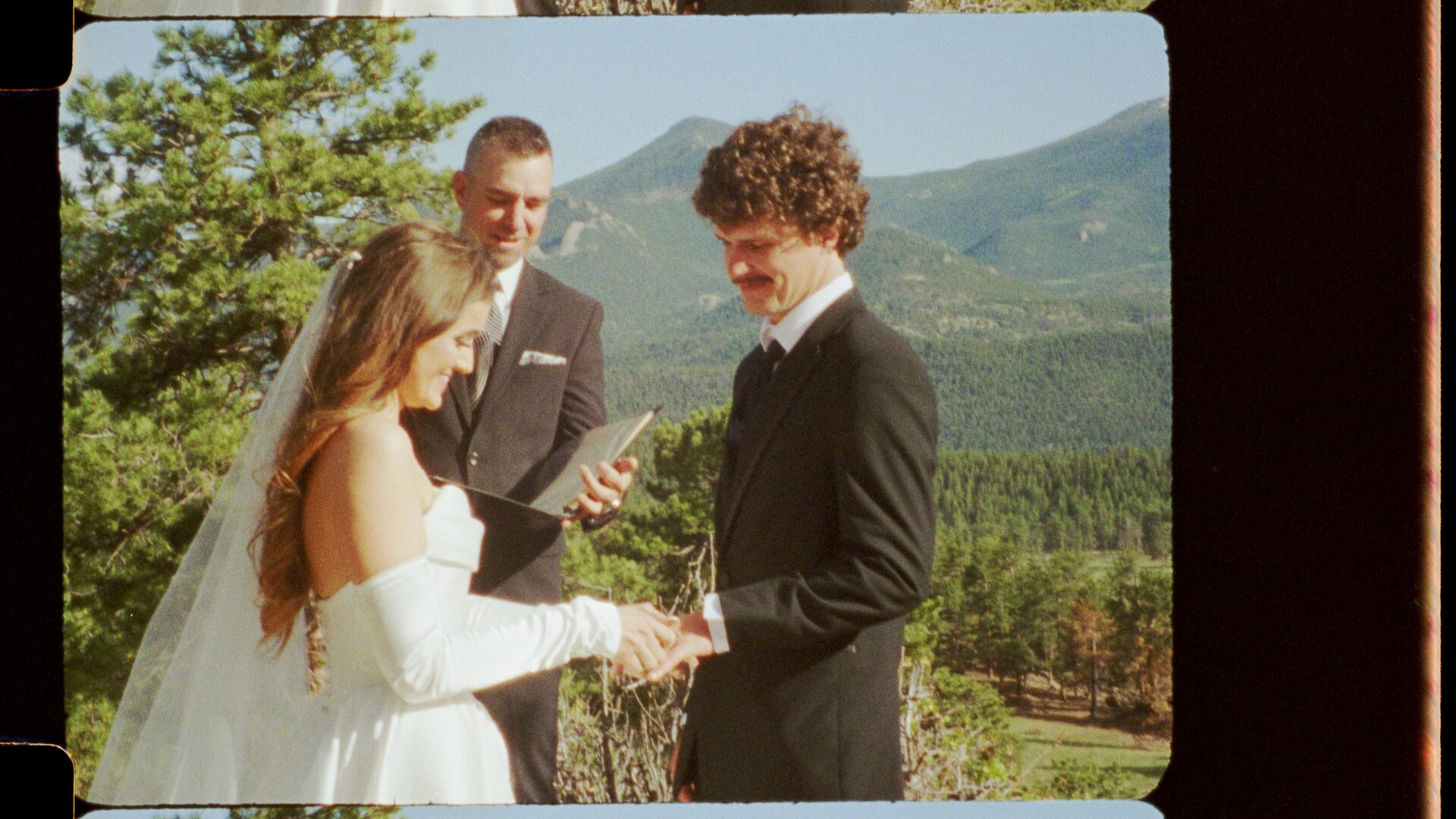
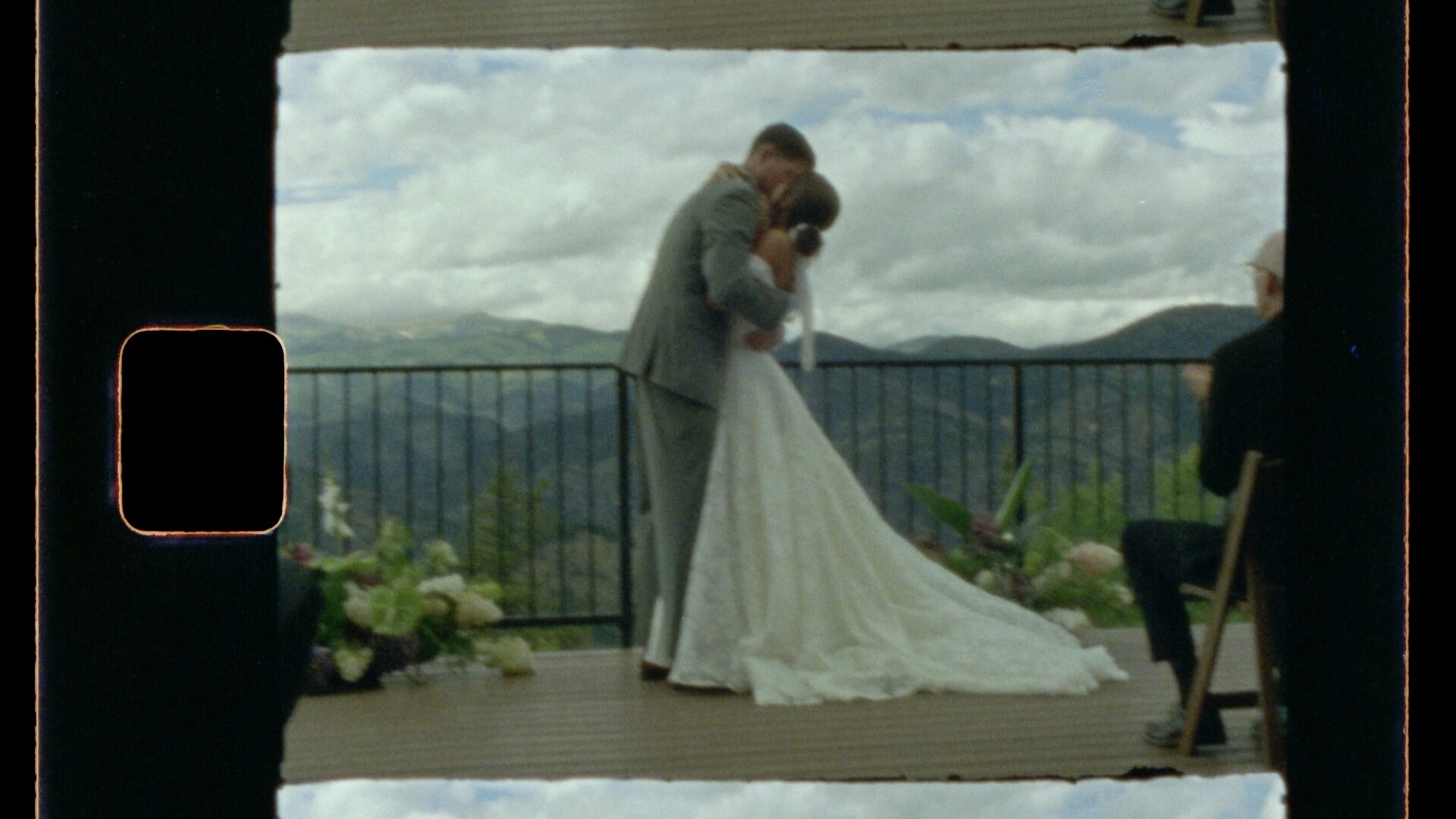
We shoot 16mm during the moments that deserve the most cinematic treatment, the first look, the ceremony, intimate portrait time, key reception moments. We're deliberate about it because film is finite and the decisions matter. Every frame is intentional.
How It's Delivered
After your wedding, the 16mm reels are sent to a professional film lab for development and telecine scanning. The scans come back as high-resolution digital files that we then grade and incorporate into your final film.
Film Format: A Decision Made Before Your Day
One thing worth knowing upfront: 16mm can be shot on either negative film or positive (reversal) film, and that choice needs to be made before we ever load a camera. Negative film is the more versatile format: it has wider exposure latitude and handles mixed lighting better, and it's what we typically recommend. The tradeoff is that negative film can't be projected or played back directly; it requires scanning to produce a viewable image.
We'll walk you through the decision when you inquire. It's not complicated, but it does matter, and we want you to understand exactly what you're getting.
We Keep Your Film
Because 16mm negative can't be meaningfully used by someone without lab equipment, we don't send the physical reels to clients: it would just be a roll you couldn't do anything with. Instead, we retain all original film for archival purposes. That means if you ever wanted a rescan at a higher resolution, or if scanning technology improves significantly down the road, the original negative still exists. We guarantee archival for a minimum of one year, but in practice we've kept every wedding we've ever shot and haven't deleted a single one since we started in 2020.
How It Combines with Digital
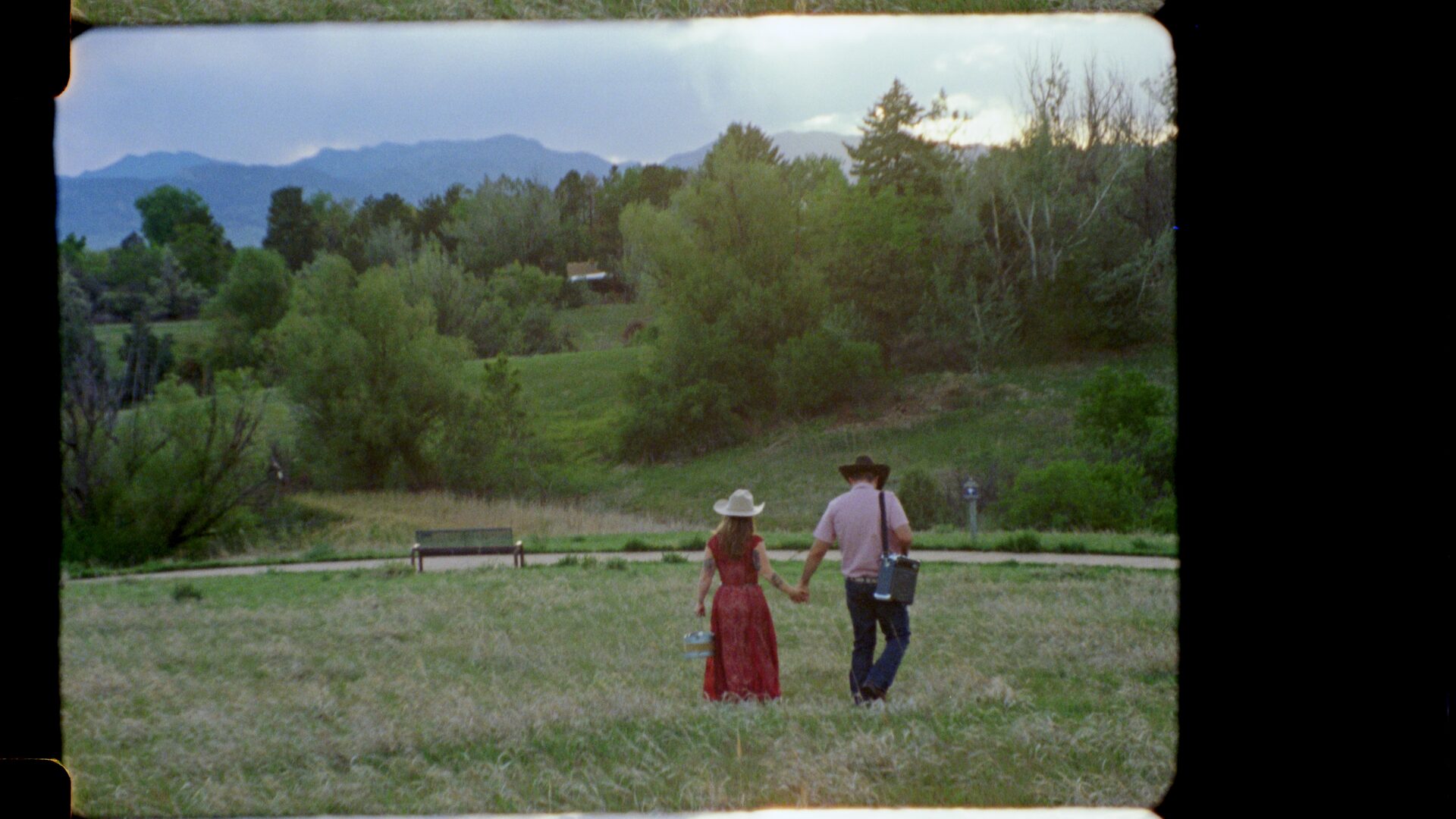
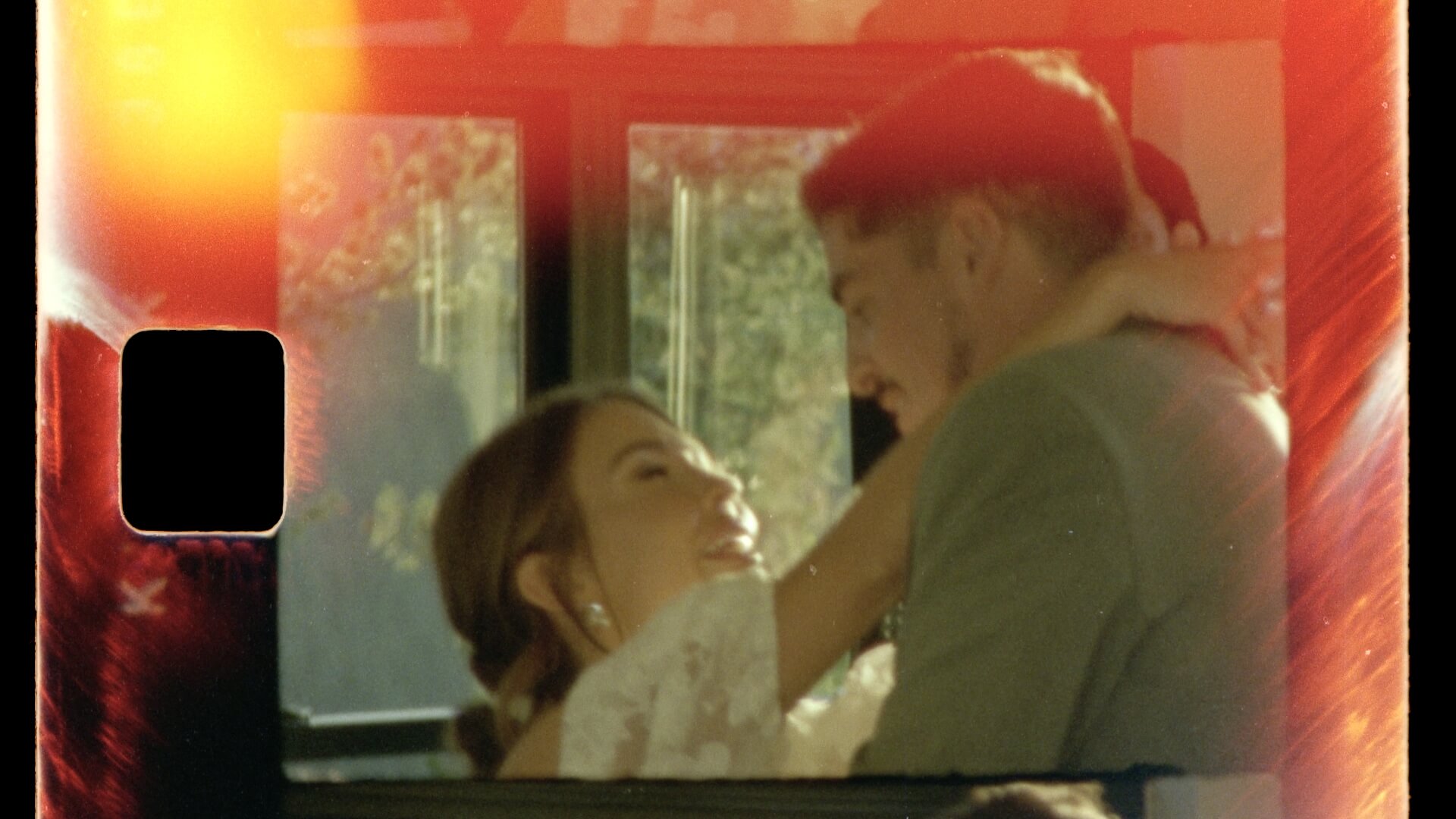
16mm doesn't replace digital video, it adds a layer of texture and character that digital can't replicate. Your full film will combine both: the comprehensive coverage and reliability of digital with the distinct, irreplaceable quality of actual cinema film. The result is a wedding film that looks like nothing else your friends are going to see from their own weddings.
Availability
16mm coverage is available in our Full Day and Multi-Day packages. We're based in Colorado and travel worldwide for weddings: mountains, destinations, wherever your day takes you. Given the film processing and telecine work involved, we cap the number of 16mm shoots we take per season. If you're interested, mention it when you inquire and we'll let you know availability for your date.
16mm vs Super 8mm: Side-by-Side
| Factor | Super 8mm | 16mm |
|---|---|---|
| Frame Area | 23 mm² Consumer home-movie format | 77 mm² 3.3× more film, professional cinema standard |
| Camera Type | Consumer cartridge camera Drop-in load, semi-auto exposure | Cinema camera body Interchangeable lenses, full manual control |
| Lenses | Fixed or simple zoom Consumer-grade optics | Cinema glass Same family of optics used in professional production |
| Grain Character | Visible, pronounced Part of its charm; more apparent at large sizes | Finer, more controlled Holds up at any screen size |
| Low-Light Performance | Limited by smaller frame Struggles in very dim conditions | Significantly better Larger frame captures more light information |
| Exposure Latitude | Moderate | Wide More shadow and highlight detail retained |
| Heritage | Home movies, consumer market Designed for families, 1965 | Cinema, documentary, broadcast Designed for professionals, 1920s onward |
| Uniqueness in Weddings | Common Most film-offering videographers use Super 8mm | Extremely rare Almost no wedding videographers offer 16mm |
Frequently Asked Questions
Does 16mm replace Super 8mm in your packages?
Not entirely. We still love Super 8mm for the specific aesthetic it produces, and we'll continue offering it. 16mm is a premium addition available in Full Day and Multi-Day packages. The two formats have different characters, and some couples will prefer one over the other. We'll always be honest about which serves your vision best. If you want to go deeper on what Super 8mm is and what it produces, read our full Super 8mm guide.
How much more does 16mm cost?
16mm film stock costs more per foot than Super 8mm, and the development and telecine process is more involved. 16mm is a choice you make intentionally: it's a premium addition available on Full Day and Multi-Day packages, and we'll walk you through exactly what it adds and whether it's the right fit for your day. Reach out and we'll give you a straight answer on cost with no surprises.
How does 16mm actually look different from Super 8mm?
The grain is finer and more controlled. The image is sharper with more micro-detail. Shadows retain more information. The overall feel is less "home movie" and more "cinema", it has the warmth and texture of film without the lo-fi ceiling of a consumer format. If Super 8mm looks like a memory, 16mm looks like a film about a memory, one that was made to last.
Can I see examples of your 16mm footage?
We're actively building our 16mm portfolio, reach out and we'll share the most current footage we have. Because we're selective about how many 16mm shoots we take per season, we'd rather have that conversation directly than post a showreel that doesn't reflect what we're shooting right now.
Does 16mm work for my venue / time of year / lighting situation?
16mm actually handles difficult lighting conditions better than Super 8mm, so yes, in most cases. If you're concerned about a specific situation (a very dark reception venue, a midwinter outdoor ceremony), tell us when you inquire and we'll give you an honest assessment. We won't recommend a format that doesn't serve your day.
Do I get the physical film back?
We keep it, and that's actually better for you. 16mm negative film can't be projected or played back without lab equipment, so returning it would leave you with a roll you couldn't do anything with. Instead, we archive every original reel. We've kept every wedding we've shot since 2020 and not a single one has been deleted. If you ever want a rescan at higher resolution, the original negative is still here waiting.
Be One of Our First Couples Shot on 16mm Film
16mm is a premium addition across all our Full Day and Multi-Day video packages this season. We're selective about how many 16mm weddings we take on, so if this matters to you, reach out below and let's check your date.