A national park elopement sounds simple: pick a beautiful place, show up, say your vows. Then you start researching and discover that every single park has its own permit, its own fee, its own application window, its own group limit, and its own list of rules that nobody mentions until you trip over them. Rocky Mountain books summer dates within days of opening applications a full year out. Yosemite still wants a paper check in the mail. Shenandoah will not let you carry real flowers. White Sands can close for a missile test the morning of your ceremony.
We film and photograph adventure elopements for a living, with Rocky Mountain National Park as our home turf, and we built this guide because the information couples actually need is scattered across 63 different park websites. Below you will find how the permit process works everywhere, the things people consistently do not think about, and a park-by-park breakdown of every single US national park: what it costs, how far ahead to apply, how many people you can bring, and the one detail most likely to catch you off guard.
Bookmark it, send it to your person, and when you are ready to talk about documenting the day, you know where to find us.
How a National Park Elopement Actually Works
Strip away the park-by-park quirks and the process is the same everywhere. Here is the playbook from first idea to "I do."
Step 1: Pick the park before you pick the date
The park chooses your calendar more than you do. Alpine parks like Glacier, Mount Rainier, and Crater Lake are only reliably snow-free from mid-July through September. Desert parks like Joshua Tree, Death Valley, and Big Bend flip that completely: October through April is their season, and summer afternoons are genuinely dangerous. If you have a non-negotiable month, start with the parks that are at their best in that month rather than forcing your dream park into the wrong season.
Step 2: Find the park's wedding page and talk to the permit office
Search the park's name plus "wedding permit" and look for the nps.gov result. Some parks run polished wedding programs with published location lists and group caps. Others bury weddings under a generic Special Use Permit page and expect you to email or call. Either way, contact the permit office before you book flights, lodging, or vendors. Ask three things: is my date available, which locations fit my group size, and what is the total cost including any monitoring or management fees beyond the application fee.
Step 3: Apply for the Special Use Permit
Nearly every park uses some version of NPS Form 10-930. Application fees run $25 to $350 and are non-refundable nearly everywhere, even if your date is denied or weather wrecks the day. Two rules trip people up constantly. First, at many parks the couple must be the applicant; applications from planners or photographers get rejected. Second, the application usually wants exact details: location, clock time, guest count, vehicle count, and every item you plan to bring. Vague answers stall the review, and at some parks any change after submission means starting over. This is also part of what we do for our couples: we help with the application itself, and at parks that allow someone to file on your behalf, we can submit it for you. Where the park insists the couple applies, we prepare everything so all you do is hit send.
Get Help With Your Permit or email love@motusweddings.com
Step 4: Get the marriage license, which is a totally separate thing
The park permit gives you permission to hold a ceremony on federal land. It does not marry you. Your marriage license comes from the state, and usually the county, where the park sits. Check the waiting period, the fee, witness requirements, and whether both of you must appear in person. A few parks straddle multiple counties or states, including Yellowstone, which spans county lines across three states, so confirm which courthouse applies to your specific ceremony spot.
Step 5: Stack the other reservation systems on top
The wedding permit is often only one of the systems you need. Depending on the park, you may also need timed entry reservations, a vehicle reservation for a specific road, ferry or seaplane seats, paid parking tags, or a sunrise slot. These systems run on their own calendars, sell out on their own schedules, and do not care that you have a wedding permit. The park entries below flag every one of these we know about.
Step 6: Plan a ceremony the park will say yes to
National parks approve simple, quiet, leave-no-trace ceremonies. Expect rules against arches, chairs, tents, aisle runners, amplified music, drones, and anything thrown or released: rice, petals, confetti, balloons, butterflies, all of it. Several parks ban real flowers entirely, including bouquets. The honest reframe: you chose this place because it does not need decorating. Let the park be the venue and put your budget into the experience and the people documenting it.
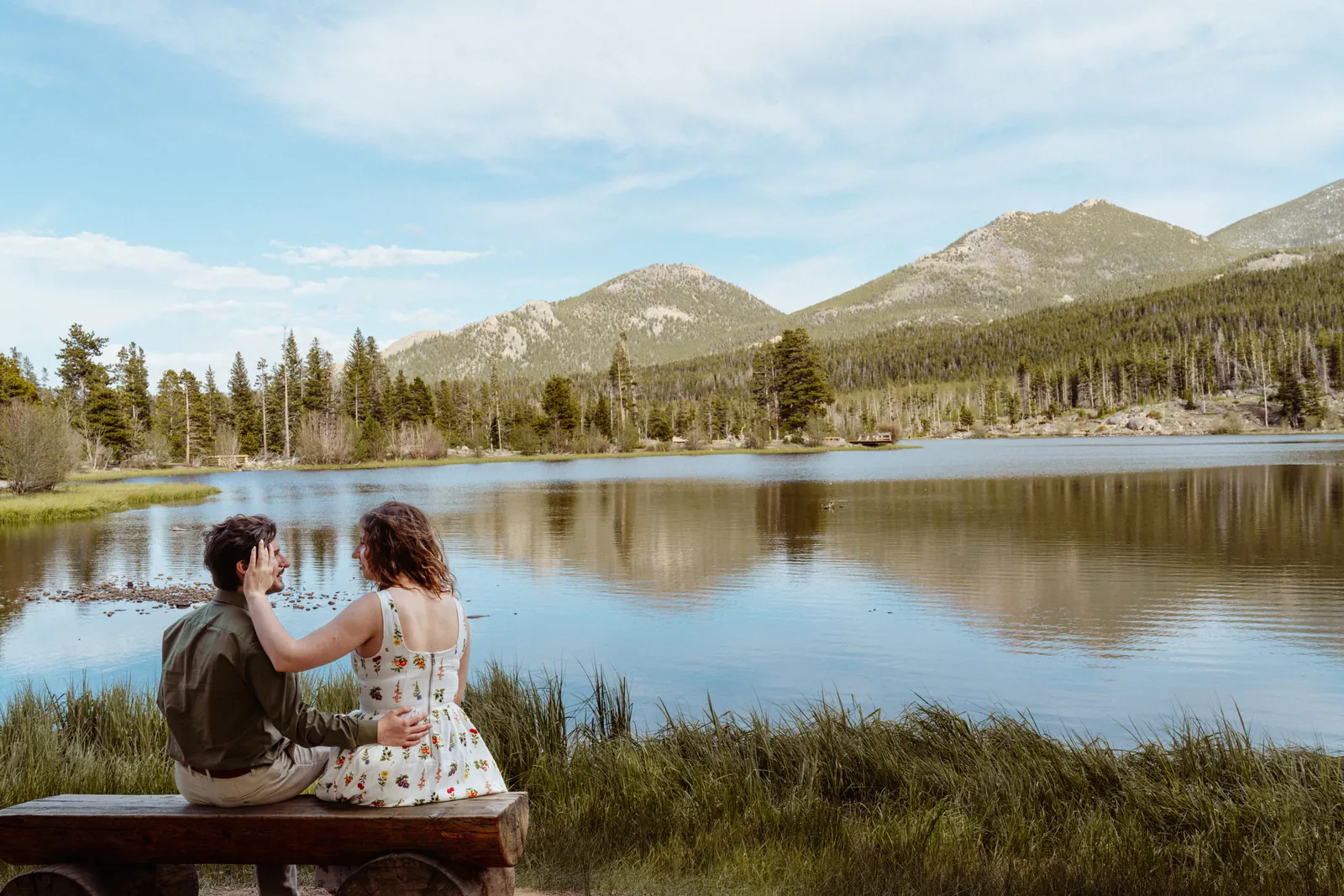
Step 7: Build the backup plan like it is part of the wedding
Weather, wildfire smoke, road closures, and wildlife do not honor permits, and almost no park refunds your fees when they intervene. Where the application allows it, list a backup location and a backup time. Watch the park's current conditions page the week of the ceremony. And hire vendors who have worked in that park before, because knowing where to stand when the wind shifts or the crowd swells is half the job.
"The permit is permission to stand there. Everything that makes it a wedding still travels with you: the license, the people, and a plan for when the mountain has other ideas."
This guide covers the parks. For how we approach the day itself, from timeline building to filming vows on Super 8, see our elopement coverage and recent work.
What Nobody Tells You About a National Park Wedding
These are the patterns we see across all 63 parks, and they are the things that actually derail plans. Read this section even if you skip everything else.
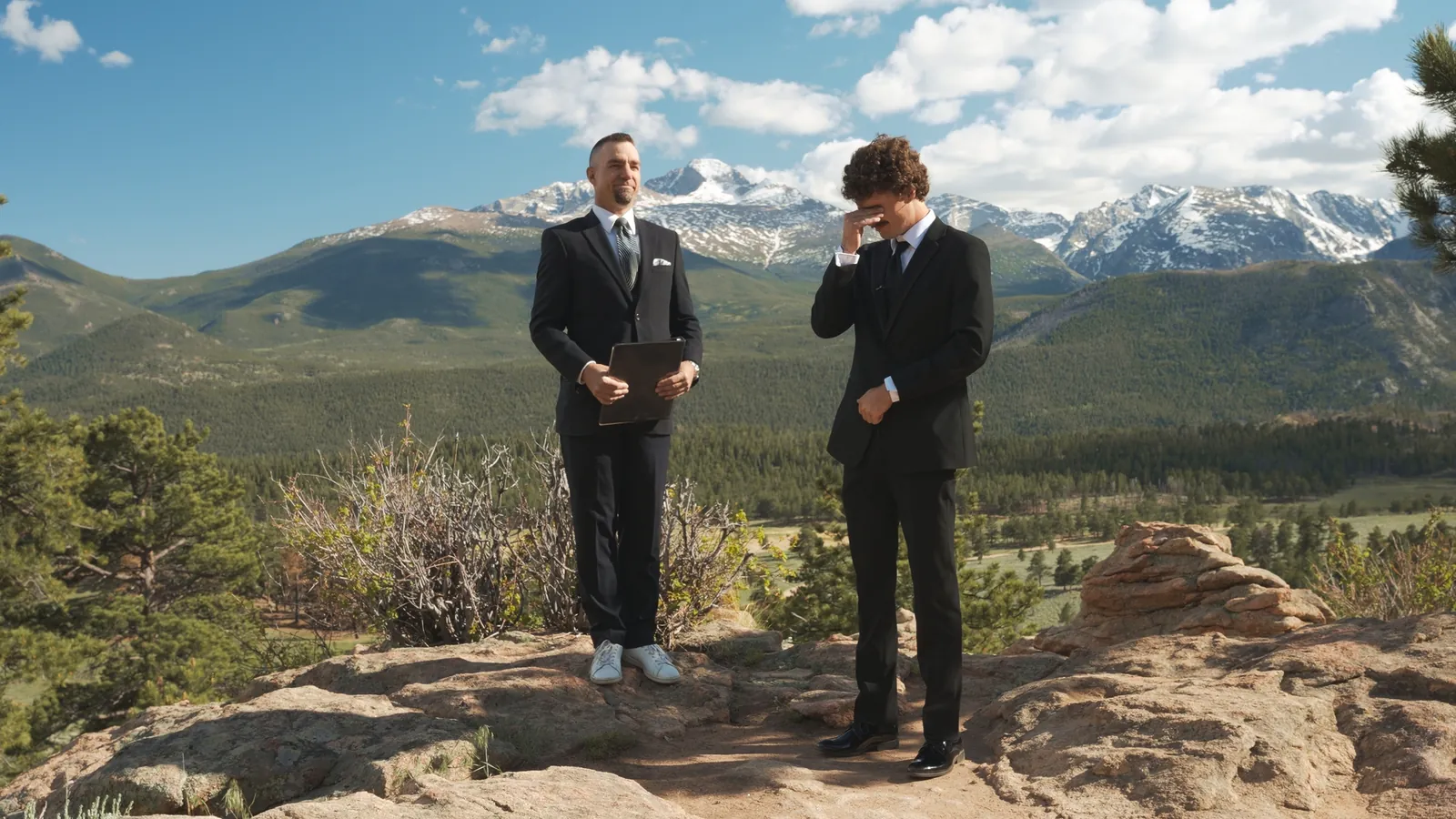
The application fee is rarely the whole bill
That $100 application fee can quietly become $300 or more. Mount Rainier charges a $25 application fee plus a $250 management fee. Grand Canyon runs $70 plus a $210 management fee. Hot Springs layers a cost-recovery charge on top of its application fee (confirm current amounts with the park). Arches and Canyonlands quote a monitoring fee only after your permit is issued. Always ask the permit office for the all-in number before you budget.
Everyone counts toward the group limit
A 15-person site means 15 humans total: the two of you, the officiant, the photographer, the videographer, infants, everyone. Couples regularly plan for "15 guests," then discover they are four people over. The Smokies and Shenandoah enforce this to the letter, and Rocky Mountain treats it as a citable violation.
You will not have the place to yourselves
No park grants exclusive use of a public site. A permit at a famous overlook means you get married at a famous overlook while visitors watch from the railing. The workarounds are timing and geography: sunrise ceremonies, weekdays, shoulder season, and lesser-known parks or lesser-known corners of famous ones. The right photographer can also frame a crowd out of nearly anything.
Flower bans are real and surprisingly common
Shenandoah and Hot Springs prohibit real flowers outright at outdoor sites. Redwood bans live and dried plant material, including bouquets. Joshua Tree and Arches ban dried florals like pampas grass because of invasive seeds. Saguaro restricts florals so tightly you should assume none. If a bouquet matters to you, confirm the policy in writing before you order anything, and have a silk or wood backup.
The couple usually has to apply, personally
Grand Canyon, Arches, Canyonlands, and Petrified Forest all require the application to come from one of the people getting married, and a planner or photographer submitting on your behalf gets rejected, which can cost you your spot in a first-come line. Grand Teton allows help, but the couple must sign the form and be copied on the submission. Big Bend reportedly works like the first group, so confirm there too.
October weekends are systematically blocked in fall-color country
The parks people most want in October protect their busiest season. Cuyahoga Valley blocks Brandywine Falls every weekend plus the entire month of October. Great Smoky Mountains blocks Cades Cove sites on October weekends. Shenandoah issues no overlook or trail permits after 10 am on October and November weekends. The classic "Saturday afternoon leaves ceremony" does not exist at these parks; a weekday morning does.
Non-refundable means non-refundable, even for snow and smoke
Sequoia and Kings Canyon say it explicitly: no refund for fire or weather closures. Glacier issues permits that cannot be changed once signed. Shenandoah keeps your fee if Skyline Drive ices over. The fee buys a review of your application, not a guarantee of a wedding. This is why backup locations and flexible vendors matter so much.
Some parks have their own hidden clocks
Beyond the permit, watch for the second system that actually controls your date. Grand Teton's applications open in December and the best sites vanish immediately. Rocky Mountain's open on the first of your ceremony month, one year out. Voyageurs campsites open the previous November 15. Katmai's Brooks Camp sites are released in staggered winter windows and vanish within minutes. Dry Tortugas ferry seats go months ahead. The park entries below call these out.
The good news: your photographer is covered
Under current NPS rules, photography and videography tied to a permitted wedding do not need a separate filming permit. You do not pay twice for the right to document your own ceremony. A vendor running separate commercial shoots in the park is a different story, but for your day, the wedding permit covers the coverage.
How Far in Advance Should You Plan a National Park Elopement?
The honest answer: it depends on which tier of park you are marrying in. Here is the planning math we use with our own couples.
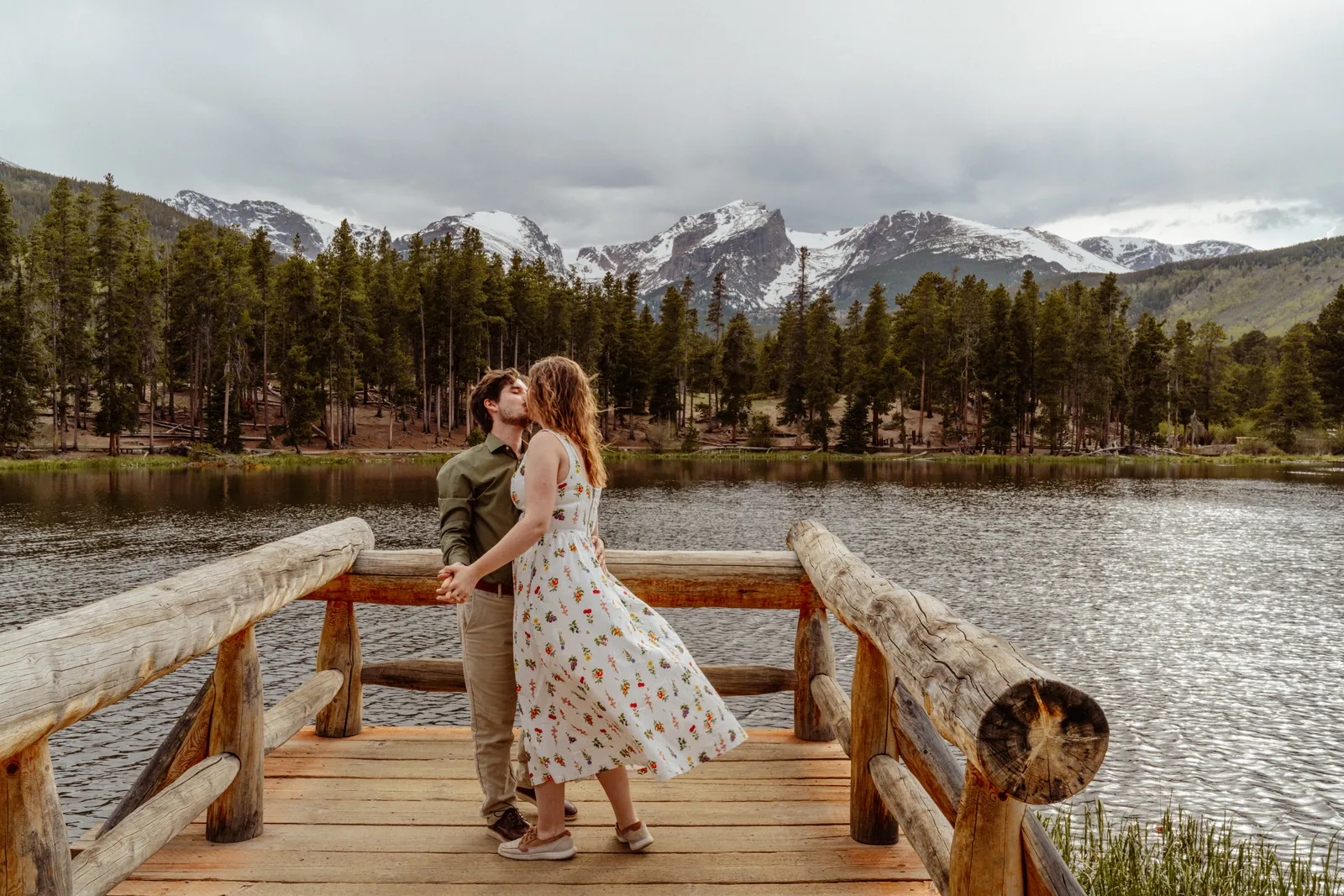
12 months out: the famous parks
Rocky Mountain, Grand Teton, Glacier, Yosemite, Zion in spring or fall, and anything in October fall-color country. Set a calendar reminder for the exact day applications open. Rocky Mountain reviews applications starting the first of your ceremony month one year out, and popular months fill within days. Grand Teton's large ceremony sites for 2026 sold out entirely; applications for the following year open each December. Glacier requires 20 business days minimum and local photographers recommend 6 to 9 months for summer dates. At this tier, the application date is functionally your save-the-date. If tracking application windows sounds like a part-time job, it is, and it is one we happily take on for couples who book with us.
6 to 9 months out: the strong second tier
Grand Canyon, Joshua Tree, Arches, Canyonlands, Acadia, Great Smoky Mountains, Olympic, Mount Rainier, and the Hawaiʻi parks. Legal minimums are shorter, but preferred dates, sites, and nearby lodging fill well ahead, and several of these parks process applications slowly in peak season. This is also the right runway for anything involving boats, ferries, or islands: Channel Islands, Isle Royale, Dry Tortugas, and Voyageurs all sell out their transportation before they run out of permit dates.
3 months out: the quiet middle
Capitol Reef, Great Basin, Black Canyon of the Gunnison, Great Sand Dunes, Badlands, Wind Cave, Theodore Roosevelt, Big Bend in its season, and most of the Midwest and Southern parks. Hard minimums at this tier run 30 to 45 days, so three months gives you comfortable margin without racing anyone.
2 to 6 weeks out: yes, a fast elopement is possible
If the timeline is short, aim where the rules are light. Shenandoah needs no permit at all for 15 or fewer people with no setup. Acadia waives it for 10 or fewer. Olympic exempts groups of 5 or fewer. Capitol Reef accepts applications up to 7 days out, Yellowstone 10 business days, Zion 3 weeks, and Joshua Tree 15 days. A beautiful, legal, last-minute national park elopement is absolutely doable; it just happens at the parks that are not famous on Instagram, which is often exactly where the best light and the empty trails are anyway.
Whatever the park's minimum says, your real deadline is usually lodging and vendors. Gateway towns near famous parks book out 9 to 12 months ahead for summer. If a date matters to you, work backward from the hardest thing to get, and check our availability early in that process.
All 63 National Parks at a Glance: Permits, Costs & Lead Times
Every park, alphabetically. "Confirm" means the park does not publish that number and you should ask the permit office directly. Fees shown are the non-refundable application or processing fees; entrance fees, monitoring fees, and reservation systems can add to the total. Full details for every park are in the regional sections below the table.
| Park | State | Permit Fee | Min. Lead Time | Group Cap | Know This |
|---|---|---|---|---|---|
| Acadia | ME | $125 | 72 hrs; apply months out | 10 or fewer: no permit; sites 20–50 | Cadillac needs a separate vehicle reservation; no sunrise/sunset ceremonies there |
| American Samoa | AS | Confirm | Confirm | Confirm | Village protocols apply; dry season is June–September |
| Arches | UT | $185 + monitoring | No published min; allow a month | 15–80 by site | Dried florals banned; timed entry lifted for 2026 only |
| Badlands | SD | $100 | 45 days | Confirm | Golden-hour spires steps from the road; summer heat is brutal |
| Big Bend | TX | $100 | 30 days, no expedites | 5–30 by site | Window View allows just 5 people total |
| Biscayne | FL | $150 | 10 business days | Confirm | Islands are boat-only; hurricane season June–Nov |
| Black Canyon of the Gunnison | CO | $100 + processing | ~10 working days | Confirm | No published site list; everything starts with a call |
| Bryce Canyon | UT | $100 | 2–4 weeks | 30 | Sunset Point is the only permitted location |
| Canyonlands | UT | $185 + monitoring | No published min; allow a month | 15–50 by site | No water at Island in the Sky; almost no cell service |
| Capitol Reef | UT | $100 | 7 days | 100; site limits vary | Ceremonies usually capped at 20 minutes |
| Carlsbad Caverns | NM | $100 | Apply weeks ahead | 20 | No weddings inside the cave; every guest needs a $1 timed entry |
| Channel Islands | CA | $250 | Confirm; 3+ months realistic | Confirm | $1M liability insurance required; boat-only access |
| Congaree | SC | Confirm | Confirm | Confirm | Floods roughly 10 times a year; check the mosquito meter |
| Crater Lake | OR | $50 + $50 admin | 8 weeks suggested | Confirm | Mail-in application; snow possible any month |
| Cuyahoga Valley | OH | $75 | 30 days | Varies by site | Brandywine Falls blocked all weekends plus all of October |
| Death Valley | CA/NV | $300 | 30 days min; 30–60 days processing | Confirm | 30 days of applicant silence closes your file permanently |
| Denali | AK | $200 | ASAP; 1–3 months wise | Coordinate with office | Park road closed at Mile 43 through 2026; deep-park views are fly-in only |
| Dry Tortugas | FL | $100 | Confirm (~15 business days) | Confirm | Ferry and seaplane seats sell out months ahead |
| Everglades | FL | $100 | 15 business days | Confirm | Insurance information required before review even starts |
| Gates of the Arctic | AK | $200 | 3–6 weeks | 11+ triggers permit | $1M liability insurance; bush plane is the only access |
| Gateway Arch | MO | $200 | Confirm | Confirm | Urban park; drones are never permitted in its airspace |
| Glacier | MT | $125 | 20 business days; apply 6–9 months out | 10–250 by site | No changes once your permit is issued; several Two Medicine sites closed for 2026 |
| Glacier Bay | AK | $50 | Confirm | Confirm | The glaciers are 40–65 miles up-bay by boat |
| Grand Canyon | AZ | $280 total | No expedites; up to 6 months | Per site | Couple must apply; check North Rim fire-recovery status |
| Grand Teton | WY | $200 | 30 days | 12 dispersed; 25–40 at sites | Applications open in December and large sites vanish fast |
| Great Basin | NV | $75 | 30 days | Confirm | Free entry, dark skies, and almost no competition for dates |
| Great Sand Dunes | CO | $200 | 7 days; opens Jan 1 | 15 on the dunes | Mailed application with fee; dogs welcome at the ceremony |
| Great Smoky Mountains | TN/NC | $50 | 30 days; 12-month window | 25 outdoor / 50 churches | Every vehicle needs a paid parking tag; vendors count in your 25 |
| Guadalupe Mountains | TX | $150 | 4 weeks | Confirm | Scenic sites require real hiking; phone is voicemail-only |
| Haleakalā | HI | $150 | 3 weeks min; 4+ weeks complex | 25 hard cap | Sunrise ceremonies need a separate recreation.gov reservation |
| Hawaiʻi Volcanoes | HI | $150 | Confirm | Small; 12 chairs max | No ceremonies at Halemaʻumaʻu; eruptions redraw the map |
| Hot Springs | AR | $100 + admin fees | Confirm | 20–200 by site | No real flowers at any location |
| Indiana Dunes | IN | $65 | Confirm | 20–100+ by site | Summer weekends at West Beach: 8–11 am only |
| Isle Royale | MI | $50 + monitor fees | 30 days; 120 for large | 25 at two sites | 15-minute ceremony cap; ferries book out early |
| Joshua Tree | CA | $120 | 15 days | 5–100 by site | Dried florals banned; holiday blackouts apply |
| Katmai | AK | Confirm | Confirm; start 6+ months out | Confirm | Brooks Camp lodging lottery is the real bottleneck, not the permit |
| Kenai Fjords | AK | $100 | 2 weeks | Confirm | Drive-to-glacier access; ceremony spots shared by email only |
| Kings Canyon | CA | $150 | 60 days | Per site | Only two approved sites; one closes with Hwy 180 in winter |
| Kobuk Valley | AK | Confirm | Confirm; 6+ weeks floor | 12+ triggers permit | Arctic dunes via charter flight from Kotzebue |
| Lake Clark | AK | Confirm | Confirm | Confirm | No published process; everything runs through park staff |
| Lassen Volcanic | CA | $75 | Confirm | Confirm | Mail the form, phone in payment; highway snowed in until early summer |
| Mammoth Cave | KY | $180 | None published; no expedites | 150 (amphitheater) | Ceremony on the surface only; cave tours sell out separately |
| Mesa Verde | CO | Confirm | 3 weeks | Small, informal only | Fee unpublished; mail or fax application after calling |
| Mount Rainier | WA | $275 total | 72 hrs stated; weeks realistic | 12 wilderness; tiers to 60+ | 30-minute ceremony inside a 3-hour window; snow lingers into July |
| New River Gorge | WV | $75 | ~10 business days | 15–25 at overlooks | 30-minute limit includes photos; pre-11 am rule Apr–Oct |
| North Cascades | WA | $50 | Confirm | Confirm | Free entry; SR 20 is closed roughly November–May |
| Olympic | WA | $50 | 2 weeks | 5 or fewer: no permit; 12 wilderness; 50 max | Mountains, rainforest, and coast under one permit |
| Petrified Forest | AZ | Confirm | No published minimum; allow weeks | Confirm | Gated park, daytime hours only; couple must apply |
| Pinnacles | CA | $350 | 90 days | Confirm | Highest published application fee we found; east and west entrances do not connect |
| Redwood | CA | $100–$200 | Confirm | 6–20 NPS sites; 10 state groves | All real flowers banned, live or dried |
| Rocky Mountain | CO | $300 | 7 days legal; 1 year practical | 30 | Permit doubles as your timed-entry pass; summer sells out in days |
| Saguaro | AZ | $100 + ~$35/hr | 4 weeks | 18 via trail | The strictest no-decor, no-flowers policy on this list |
| Sequoia | CA | $150 | 60 days | Per site | Park will not warn you about prescribed-burn smoke |
| Shenandoah | VA | $150, or free for 15 or fewer | 30 days | Overlooks 4–30 | No real flowers; Oct–Nov weekends restricted after 10 am |
| Theodore Roosevelt | ND | $100 | 4 weeks | 100 | Mock ceremonies for photos still require the permit |
| Virgin Islands | USVI | $50 | 10 business days | 40–50 by site | Beach ceremonies run early morning or late afternoon |
| Voyageurs | MN | $50 | Confirm | Confirm | Boat-only venues; campsites open the previous Nov 15 |
| White Sands | NM | $100 | No published minimum; apply early | No hard cap published | Missile tests can close the park with a day's notice |
| Wind Cave | SD | $50 | 45 days postmarked | Confirm | Free entry; wild bison may move your ceremony spot |
| Wrangell–St. Elias | AK | $200 | 30 days | Confirm | Everyone walks the footbridge into McCarthy; no driving in |
| Yellowstone | WY/MT/ID | ~$250 (confirm); $300 chapel | 10 business days | 5–250 by site | Permits are typically issued only weeks before the event |
| Yosemite | CA | $150 | 21+ days | Per site | Paper application by mail, check or money order, SSN required |
| Zion | UT | $100 | 3 weeks | 100 max; site limits vary | The shuttle schedule controls your golden-hour options |
Now the detail. Each regional section below covers what the park feels like, what the permit really involves, and the fine print that matters.
Region 01
Colorado & the Rockies
Our home turf. We are based in Colorado, Rocky Mountain is the park we have filmed and scouted end to end, and these are the permit calendars we watch all year. They are also some of the most competitive wedding calendars in the entire park system, so the planning advice here is not optional. If your national park elopement vision involves alpine lakes and snow-capped granite, it probably lives in this section.
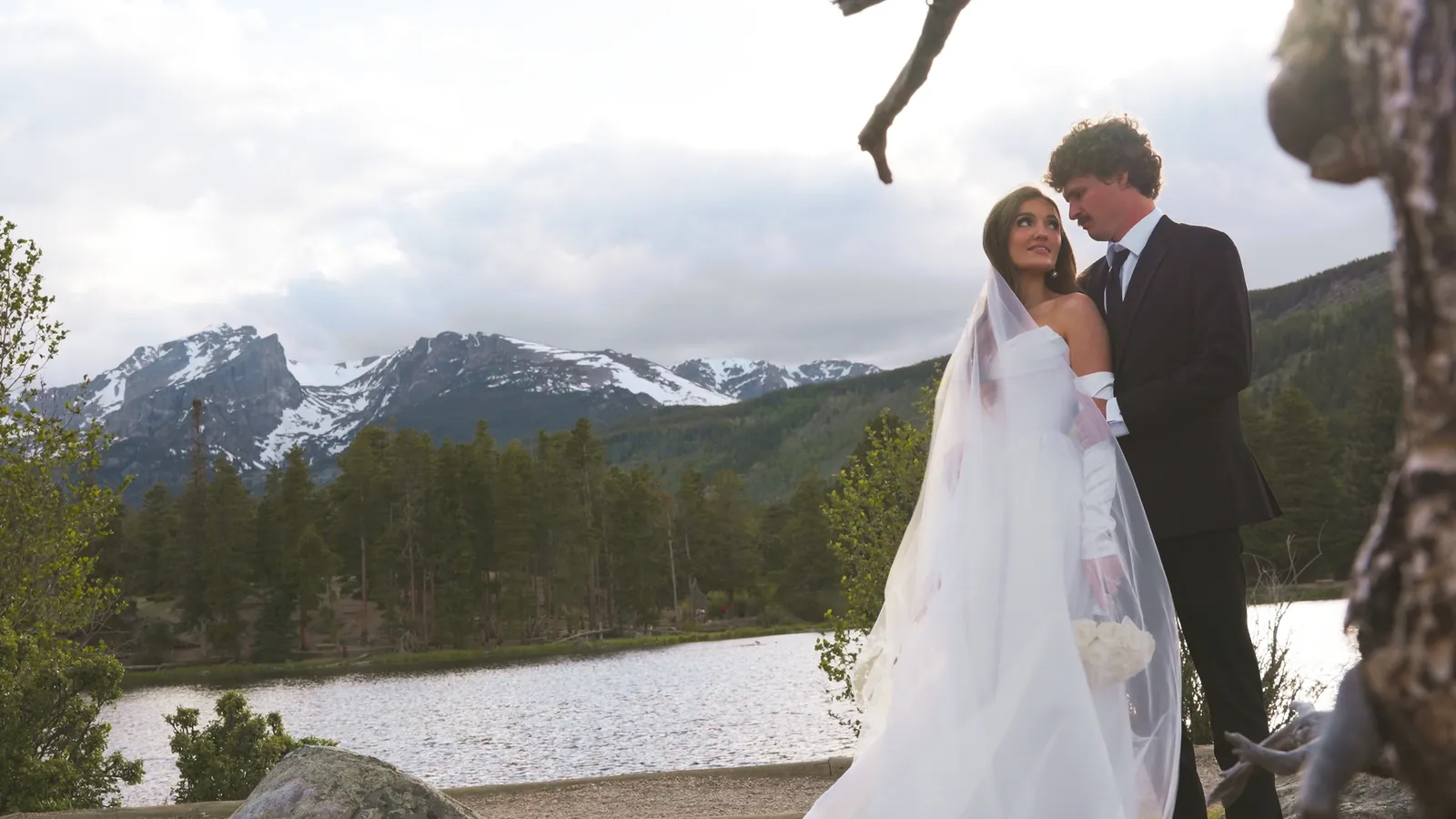
Rocky Mountain National Park
Colorado · Estes Park & Grand Lake
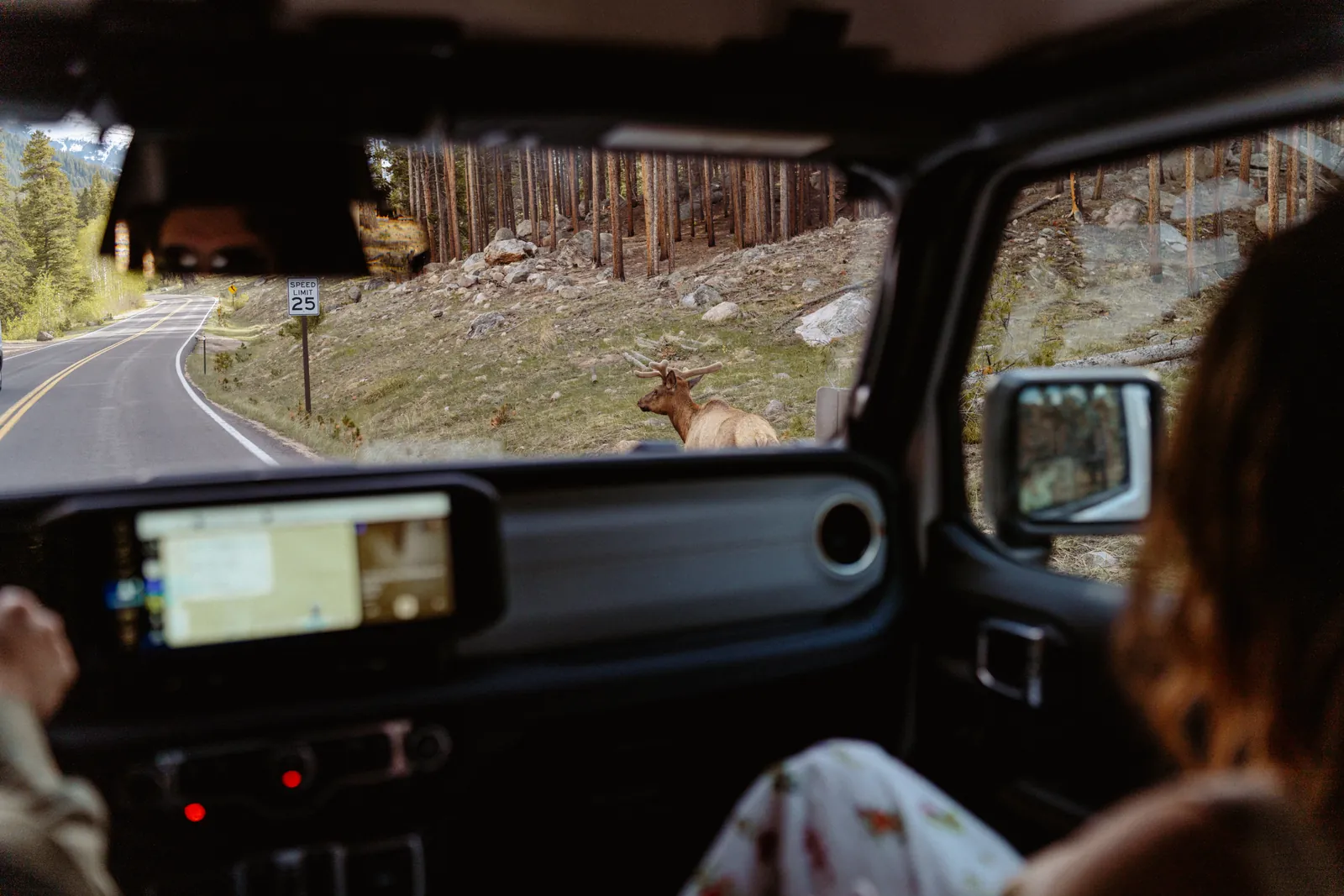
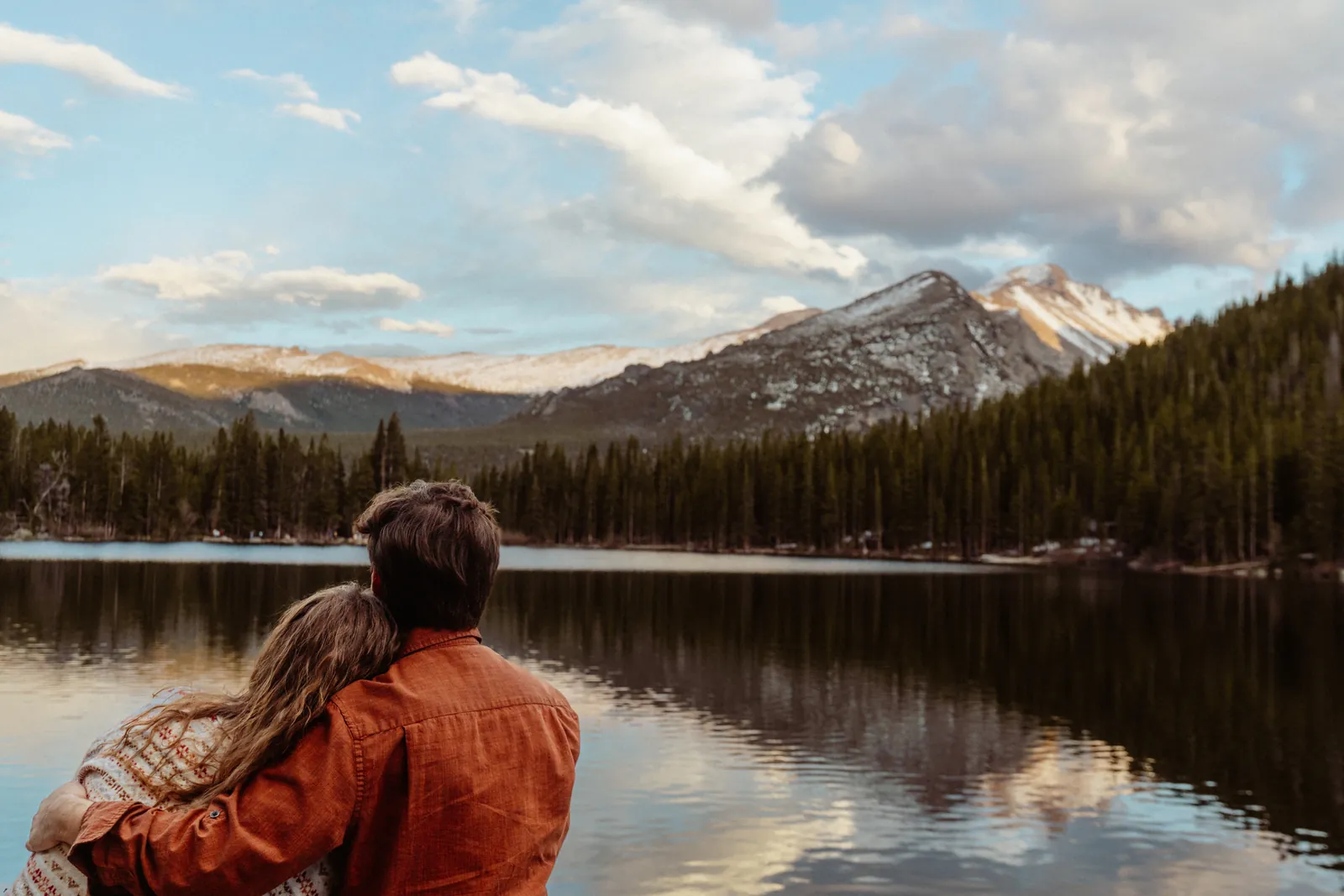
Alpine lakes, aspen groves, and tundra views 90 minutes from Denver, which is exactly why it runs the most competitive national park elopement calendar in the system. Thirteen designated sites, two-hour ceremonies, and a hard rule that ceremonies anywhere else are citable. The $300 fee is the steepest standard permit in the Rockies, but it comes with a real perk: your wedding permit doubles as your timed-entry reservation for the whole day. Summer months sell out within days of the application window opening, and June 2026 is already gone. Set a reminder for exactly one year before your ceremony month and apply that morning. Winter Sprague Lake and Bear Lake dates are the insider play: bigger group allowances, no crowds, and snow that does half the photography work. This is our home park: we have filmed and photographed at Sprague Lake, Bear Lake, 3M Curve, and Sheep Lakes at Horseshoe Park, and we have scouted most of the designated sites, so if you are weighing two of them, just ask. Marrying in Colorado but not sure about the park? Our Colorado elopement guide covers the whole state. Details on the RMNP weddings page.
Grand Teton National Park
Wyoming · Jackson Hole
The most dramatic mountain wall in the Lower 48, rising straight off the valley floor behind spots like Schwabacher Landing, and an airport inside the park itself. Demand matches the scenery: every large ceremony site sold out for all of 2026, and applications for each year open the previous December in what is effectively a race. Two structural quirks matter. The couple must sign the application and be copied on the submission even if a planner is helping, and ceremonies at the big sites are capped at one hour including setup and photos, one of the tightest windows of any flagship park. The flexible path is the small dispersed permit: 12 or fewer people, nearly year-round, almost anywhere outside the prohibited zones (which, heads up, include Jenny Lake, and Mormon Row joins the list after May 15, 2026 for construction). Two in-park chapels need no NPS permit at all. Details on the Grand Teton weddings page.
Glacier National Park
Montana · West Glacier & St. Mary
Knife-edge peaks and turquoise lakes along the Going-to-the-Sun Road, with more than 30 designated ceremony sites across five regions of the park. The catch is the office, not the scenery: photographers who work the park recommend applying 6 to 9 months out for summer, and once your permit is issued, no changes are allowed. None. Lock your vendors and times before you sign. The 2026-specific news is good and bad: vehicle reservations are gone this year, which simplifies guest logistics enormously, but several Two Medicine sites are offline for construction, though Running Eagle Falls stays available into early September 2026. The alpine season is short; if you want high-country backdrops, you are realistically marrying between mid-July and September. Your permit stays valid during seasonal road closures if you are willing to hike or ski in, which makes for unforgettable winter elopements. Details on the Glacier weddings page.
Yellowstone National Park
Wyoming, Montana & Idaho
Geysers, painted hot springs, and wildlife-filled valleys, with the widest range of ceremony options in the system: from a five-person pullout wedding in Lamar Valley to a 250-seat historic chapel at Mammoth. There is no timed entry to wrangle, and the minimum lead time is a relatively gentle 10 business days. The quirk to plan around: Yellowstone typically issues the actual permit only a few weeks before the event, even when you applied months earlier, so do not expect early certainty about your exact site. Also check your marriage license geography carefully, because the park spans counties in three states. The base fee is not published on the park page; recent reports put it around $250, so confirm with the permit office. Details on the Yellowstone weddings page.
Great Sand Dunes National Park & Preserve
Colorado · San Luis Valley
North America's tallest dunes stacked against the snowcapped Sangre de Cristos, and one of the most otherworldly backdrops in the country with a fraction of RMNP's competition. Applications open January 1 of your ceremony year, which means you cannot lock a date a full year ahead, but with a 7-day minimum this is also one of the best short-runway parks in the Rockies. Ceremonies on the dunefield are capped at 15 people and require hiking in soft sand; larger groups go to the amphitheater. Plan a morning ceremony from June through August, because afternoon sand temperatures and monsoon lightning are no joke. It is also one of the most dog-friendly wedding parks anywhere, if your best witness has four legs. The application still goes by mail with the fee enclosed. Details on the Great Sand Dunes permits page.
Black Canyon of the Gunnison National Park
Colorado · Montrose
A 2,000-foot gorge of black schist that most Coloradans have never even visited, which is exactly its appeal: an intimate ceremony here actually feels intimate. The permit office is small and human-scale, with the fastest typical processing in the region, and the same application channel covers the lakeside sites of adjacent Curecanti National Recreation Area as a fallback. The trade-off for the low fee and low competition is low documentation: there is no published site list, group cap, or total cost, so everything starts with a call to the Special Park Use Coordinator. Budget for an unpublished processing fee on top of the $100 application. Sheer, unfenced cliff edges decide where a group can safely stand, and South Rim overlooks like Sunset View at golden hour are the move. Details on the Black Canyon permits page.
Mesa Verde National Park
Colorado · Four Corners
Seven-hundred-year-old cliff dwellings under green mesas, and a completely different aesthetic from every mountain park on this list. The park describes itself as suited for small, informal weddings, and that is the honest expectation: ceremonies are not permitted inside the cliff dwellings or archaeological sites, so you are marrying at overlooks and picnic-style locations with the ancient landscape around you. This is the least transparent permit program in Colorado: no published fee, no published site list, and a mail-or-fax application, so your first step is a phone call to the permit office. If you want cliff-dwelling photos with your guests afterward, everyone needs ranger-guided tour tickets through a separate, capacity-limited system. Pairs beautifully with a Durango or Cortez basecamp. Details on the Mesa Verde permits page.
Region 02
Utah, Arizona & the Desert Southwest
Red rock, hoodoos, the biggest canyon on Earth, and the best winter wedding weather in the country. Spring and fall are prime nearly everywhere here; summer afternoons regularly pass 100°F and the July-to-September monsoon brings real flash-flood risk. One welcome pattern: most of these parks let you hold the ceremony at a designated site and then take portraits anywhere in the park afterward, which makes a desert national park elopement unusually photographer-friendly.
.jpg?width=1600)
Zion National Park
Utah · Springdale
Towering sandstone walls and the Virgin River, minutes from Springdale's full vendor and lodging ecosystem. The permit itself is one of Utah's cheapest and fastest. The thing to actually plan around is access: Zion Canyon is shuttle-only most of the year, which complicates dresses, gear, grandparents, and most importantly your light, because the last shuttle out can end a sunset session early. Angels Landing requires winning a separate hiking-permit lottery, so never promise vows up there. Summer is hot and crowded; winter is the sleeper season, quiet and dramatic. Expect zero privacy at the famous viewpoints midday, and lean on early mornings. Details on the Zion weddings page.
Bryce Canyon National Park
Utah · Bryce
An amphitheater of orange hoodoos at 8,000 feet that looks like another planet at sunrise, and hoodoos dusted with snow are one of the great winter wedding backdrops anywhere. The structure is simple and strict: ceremonies happen only at Sunset Point, at two designated spots, with a 30-guest cap and no chairs, music, or props. One location means no backup ceremony spot inside the park, and Sunset Point is one of the busiest rails in Utah, so plan for company at midday and privacy at dawn. The elevation is the sneaky factor: unacclimated guests feel 8,000 feet, and summer mornings are cold even in July. Nearby Red Canyon in Dixie National Forest is the common fallback, with its own separate Forest Service permit. Details on the Bryce Canyon weddings page.
Arches National Park
Utah · Moab
Two thousand natural arches above red slickrock, with six designated ceremony sites and published group caps that make planning refreshingly predictable, from 15 at Park Avenue to 80 at the Devils Garden amphitheater. Budget past the sticker: a cost-recovery monitoring fee is quoted only after your permit is issued, and an NPS monitor may literally attend your wedding. Permits run one hour, the couple must apply, and dried florals are explicitly banned, which surprises every desert-boho florist. The 2026 news: timed entry is lifted this year, simplifying guest logistics, but do not assume that holds for 2027. Enter before 8 am or after 3 pm to dodge the lines either way. Details on the Arches weddings page.
Canyonlands National Park
Utah · Moab
The same epic red-rock country as Arches with a fraction of the visitors, run by the same Moab permit office under the same rules. Green River Overlook and Grand View Point at sunset are genuinely world-class ceremony backdrops capped at 25 people, and The Needles district offers group sites up to 50. Know what you are signing up for: Island in the Sky has no water most of the year, cell service is nearly nonexistent, and The Needles is 75 minutes from Moab with no services. A sunset ceremony means driving out in the dark on open-range roads. For couples torn between the two Moab parks, the honest comparison is Arches for icons, Canyonlands for solitude and scale. Details on the Canyonlands weddings page.
Capitol Reef National Park
Utah · Torrey
The quietest of Utah's Mighty 5, with the most flexible site list: orchards in historic Fruita, Panorama Point, Sunset Point, and even the remote Temples of the Sun and Moon out in Cathedral Valley, high-clearance vehicle required. Chairs are actually allowed here, a small miracle by NPS standards, and the 7-day minimum makes this Utah's best quick-elopement option. The constraint that defines everything: ceremonies are usually limited to 20 minutes, one of the tightest windows in the park system. That is fine for an elopement and tough for anything elaborate. Park buildings cannot be used for dressing or weather backup, so stage in Torrey. Watch the monsoon forecast; the park explicitly requires a cancel-or-relocate plan. Details on the Capitol Reef weddings page.
Grand Canyon National Park
Arizona · South & North Rims
The big one, and surprisingly workable: the South Rim hosts weddings year-round, the fee table is fully transparent, and Shoshone Point is one of the most private-feeling permitted sites in any park, with a gated road, a six-hour window, and even catering allowed. The indoor Shrine of the Ages makes this the most weatherproof park wedding in the Southwest. The fine print: the couple must be the applicant, the $70 Pay.gov receipt must be attached or the application is ignored, and nothing gets expedited, ever. Most sites get a two-hour block with a strict no-decor regime, and tourists will be at the railing behind your vows at the famous viewpoints. Confirm North Rim status before promising dates there; fire-recovery closures are still in play. Details on the Grand Canyon weddings page.
Great Basin National Park
Nevada · Baker
A 13,063-foot peak, ancient bristlecone pines, alpine lakes, and some of the darkest night skies in America, all in one of the least-visited parks in the Lower 48. A weekday elopement here can feel like you rented a national park. Entry is free, the fee is among the cheapest anywhere, and nobody is racing you for dates. The trade is remoteness: four-plus hours from Salt Lake City or Las Vegas, minimal lodging in tiny Baker, and almost no local vendors, so everyone you hire travels. No wedding sites or group caps are published, which means the Special Uses Coordinator shapes your options. If a star-field portrait session after your vows sounds like your kind of wedding, this is the park for it. Details on the Great Basin permits page.
Petrified Forest National Park
Arizona · Holbrook
Rainbow-banded Painted Desert badlands scattered with 200-million-year-old crystallized logs, a backdrop no other park on Earth offers, with easy I-40 access and light crowds. Small weddings happen at Jasper Forest, the park's designated spot. The structural quirk that shapes everything: the park is gated and open only during posted daytime hours, which rules out true sunrise and late-sunset ceremonies most of the year. There is no downloadable application; you email the permit coordinator to request one, and the couple must apply personally. Make sure guests know that pocketing petrified wood is a federal offense; it gets checked. Holbrook is the closest base, and golden hour inside the gates still delivers those pastel badland colors. Details on the Petrified Forest ceremony permits page.
Saguaro National Park
Arizona · Tucson
Giant saguaro silhouettes against Sonoran sunset light, twenty minutes from a full-service city, and ideal 60s-and-70s ceremony weather from November through March when half this list is under snow. The two districts flank Tucson and are not interchangeable: West has the classic dense saguaro forests, East sits higher and greener, and they are 45 minutes apart with different contact numbers. This park runs the strictest decor policy we have seen anywhere: no chairs, no arches, no amplified sound, and no flowers, a rule that can extend to bouquets, so get the floral answer in writing before anyone orders anything. Payment is cash, check, or money order only, and the four-week clock starts only when payment lands. Ceremony only; receptions happen in Tucson. Details on the Saguaro permits page.
Region 03
California & Nevada Desert
Nine parks, and almost nothing in common between them: granite cathedrals, the tallest and largest trees on Earth, island wilderness, and two deserts. California's quirk as a wedding state is bureaucratic variety. Three of these parks still want paper applications in the mail, and one wants your Social Security number. A California national park elopement can mean granite cathedrals or foggy coast in the same week.

Yosemite National Park
California · Sierra Nevada
El Capitan, Half Dome, waterfalls, and the most iconic national park elopement backdrops in the system, served by a genuinely well-oiled permit office with a published ceremony location list. The process, however, is from another decade: the original paper application goes in the mail with a check or money order, no online payment exists, and the form requires the applicant's Social Security number or it will not be processed. No permits are issued on holidays or holiday weekends, ceremonies get a two-hour window, and decor rules are the strictest in California: no chairs, no arches, no amplified music. The 2026 bright spot: no entry reservation system at all this year, even in summer. The Valley works year-round; Glacier Point and Tioga Road sleep under snow until late May or June. Details on the Yosemite weddings page.
Sequoia National Park
California · Southern Sierra
Marrying within sight of the largest trees on Earth, at sites like Beetle Rock and Crescent Meadow, with a generous three-hour event window and, rarity of rarities, chairs allowed if you request them on the application. The 60-day hard minimum is the longest standard lead in California, and the fee survives fire and weather closures, which matters here more than most places: prescribed-burn smoke is a real planning factor, the park publishes per-site smoke expectations, and it explicitly will not call to warn you. Check the conditions page yourself the week of. No ceremonies at the bases of the sequoias themselves, no permits on summer holiday weekends, and no cell service at the sites, so print everything. One $150 permit system covers both Sequoia and Kings Canyon. Details on the SEKI wedding permits page.
Kings Canyon National Park
California · Southern Sierra
One of the deepest canyons in North America, the wild Kings River, and a fraction of Yosemite's crowds for honestly comparable granite. The wedding program is tiny: exactly two approved sites. Panoramic Point sits near Grant Grove and is reachable most of the year, though its access road goes unplowed in winter and a spring date can be snowed out with no refund. Muir Rock, the river-boulder site at Road's End, is only available when Highway 180 into Cedar Grove is open, roughly May through October. List alternates on your application and treat the season honestly: this is a summer park. Same 60-day minimum, same smoke self-monitoring policy, and the same email-based process as Sequoia. The long, winding drive in deters guests, which for an elopement might be the feature, not the bug. Details on the SEKI wedding locations page.
Redwood National and State Parks
California · North Coast
The tallest trees on Earth in fog-draped groves, plus wild Pacific bluffs, with mild weather year-round that is kind to formalwear. Two things make this park unusual. First, it is a jigsaw of national and state park land, and the famous old-growth groves mostly sit on the state side, which runs its own separate application with a 10-person cap, so check a map before you apply to anything. Second, all real flowers are banned, live or dried, including bouquets, to protect the forest from introduced pests; silk, wood, or paper only. Group caps are tiny everywhere, two beach sites are only bookable late October through April, and summer means moody fog more often than sun. For the right couple, that fog is the whole point. Details on the Redwood weddings page.
Lassen Volcanic National Park
California · Southern Cascades
Steaming fumaroles, volcanic peaks, and alpine lakes that feel like a private Yellowstone, with one of the cheapest application fees in the West and real solitude even in August. The window is the catch: Lassen catches some of the deepest snowpack in California, and the main park highway is typically buried from late October into June, making late July through September the reliable season. The process is charmingly analog: mail the paper application, then phone in a credit card, and nothing moves until both arrive. Park policy is literally "keep the wedding as simple as possible," so plan a standing ceremony with zero setup. Published wedding guidance is thin, which means a friendly back-and-forth with the fee office shapes your options. Details on the Lassen weddings page.
Pinnacles National Park
California · Gabilan Range
Volcanic spires, talus caves, golden chaparral, and California condors overhead: a backdrop almost no other couple will ever have. The costs of that uniqueness are concrete. The $350 application fee is the most expensive published application fee we found in the entire park system, the safe lead time is 90 days, and there is no downloadable form; you email the park just to request the application. The park's geography contains its best gotcha: the east and west entrances are not connected by any road through the park, and a guest who drives to the wrong side faces a roughly two-hour detour, so bold the entrance on every invitation. Spring is glorious here, with wildflowers and green hills; summer regularly tops 100°F inland. Midweek dates buy you near-total solitude. Details on the Pinnacles permits page.
Channel Islands National Park
California · off Ventura
Wild sea cliffs, empty coves, and island foxes on the "Galápagos of North America," reachable only by concessionaire boat or small plane. Nothing else in this guide delivers seclusion like it, and nothing else demands logistics like it. The application goes by mail with a $250 fee and, the part nobody expects, proof of $1 million liability insurance, which event insurers sell as day policies once you know to ask. Boats sell out, crossings take one to three hours, swells cancel winter sailings, and a cancelled boat is a cancelled wedding, because there is no road backup. Everything you bring gets hand-carried on and off the vessel, and the day-boat schedule hard-limits your ceremony window. For two people who want a wedding that is also an expedition, there is nothing better. Details on the Channel Islands permits page.
Joshua Tree National Park
California · Mojave & Colorado Deserts
Seussian yucca forests, giant boulder piles, and the golden-hour light that built a thousand Pinterest boards, backed by the deepest vendor and lodging ecosystem of any desert park thanks to the Airbnb culture of the gateway towns. The permit program is clear and modern, with eleven published sites and caps from 5 people at Live Oak to 100 at Indian Cove, which is unavailable June 1 through August 31, a fact worth reading as a warning. A free-standing arch is actually allowed, unusual for NPS, but nothing staked into the ground. Blackout traps: no permits on federal holidays or free-entrance days, and vendors report a holiday shutdown from roughly December 20 to January 1, so confirm winter dates with the permit office. And the desert-boho staple is banned: no pampas grass or dried florals of any kind. October through May is the season; events get two hours total. Details on the Joshua Tree weddings page.
Death Valley National Park
California & Nevada
Below-sea-level salt polygons, rippling dunes, and painted badlands two hours from Las Vegas, plus Gold Tier dark skies for a night-portrait session most couples never think to ask for. This is a winter wedding park, full stop: November through March is glorious, and summer is dangerously hot, sunrise-only territory. The permit office runs on its own rhythm. The fee is $300 per the park’s application materials, the application requires an SSN or tax ID, evaluation costs get billed whether or not a permit is issued, and here is the one that bites people: if the park hears nothing from you for 30 days, your file is closed permanently and you start over. Confirm locations and current rules directly with the office, and get the prohibited-activities list in writing before promising a specific dune or salt-flat shot. Details on the Death Valley permits page.
Region 04
The Pacific Northwest
Glaciated volcanoes, rainforest, wild coastline, and the bluest lake in America. The shared truth of the PNW parks: the alpine season is short and late. Snow lingers at elevation well into July, so a Pacific Northwest national park elopement is a late-summer affair, late July through September, and the weather backup plan is not optional.
.JPG?width=1600)
Olympic National Park
Washington · Olympic Peninsula
Three honeymoons in one permit: glaciated peaks at Hurricane Ridge, moss-cathedral rainforest in the Hoh, and sea-stack beaches like Rialto and Ruby. The fee is among the cheapest anywhere, groups of five or fewer may not need a permit at all, and select front-country sites allow up to 50. Mind the geography: Hurricane Ridge to the Hoh is two-plus hours of driving, and your permit covers a set window at the site (confirm the hours when you apply), so a multi-location wedding day needs honest math. Step onto any trail and the wilderness cap of 12 people kicks in. Snow sits on Hurricane Ridge well into June, the coast works year-round, and rain is a personality trait here from October through April, which is exactly when the rainforest looks its best. Details on the Olympic permits page.
Mount Rainier National Park
Washington · south of Seattle
A 14,410-foot glaciated volcano above August wildflower meadows that are, frankly, unbeatable. The headline surprise is financial: the $25 application fee comes with a $250 management fee before your permit is finalized, making this the most expensive standard permit in the Northwest. A permit is required even for just the two of you, the park is 97 percent wilderness so most trails cap at 12 people total, and the structure is rigid: a three-hour window containing a 30-minute ceremony, on durable surfaces only, with no meadow-stomping. Timed entry was cancelled for 2026, which removes a major headache (though Ricksecker Point may close June through August 2026 for construction), but snow regularly buries Paradise into July, so a July 4 ceremony may be standing on snowpack. Late July through September is the honest window, and August is the show. Details on the Mount Rainier permits page.
North Cascades National Park
Washington · SR 20 corridor
The American Alps: jagged glacier-hung peaks and the impossible turquoise of Diablo Lake, in the least-visited mountain park in the Lower 48. Entry is free, the application fee is $50, and giant scenery sits steps from the car at Diablo Lake Overlook and Washington Pass. The program is the least documented in the Northwest; the location list and group guidance arrive only when you contact the Commercial Services Office, so budget extra weeks just for the conversation. Know that the famous overlooks technically sit in Ross Lake National Recreation Area, same office, but name your exact spot when applying. The highway itself closes roughly November through May, fire smoke is a late-summer wildcard, and mid-July through September, plus golden larch season in early October, is the season worth building around. Details on the North Cascades permits page.
Crater Lake National Park
Oregon
The deepest, bluest lake in America inside a collapsed volcano, where every rim pullout is a ceremony backdrop. The planning reality is snow: 42 feet falls in an average year, the rim drives target a July 4 opening and sometimes miss it, and it can snow during any month you pick. Mid-July through September is the realistic window, and even then, have a plan B. The application is mail-in with an eight-week suggested lead, the slowest process in the region, and you are asked for first and second choices of dates and locations up front. No electricity, no water at the sites, and no indoor backup anywhere: ceremonies are not permitted inside Crater Lake Lodge or on its verandas. For a small group willing to gamble on early-season snowbanks against that blue, the photos are unlike anything else in this guide. Details on the Crater Lake weddings page.
Region 05
Alaska
Eight parks, five of them with no road access at all. Alaska national park elopements are expeditions: bush planes, boats, tide tables, and weather days built into the itinerary. None of these parks runs timed entry; the gatekeepers here are physics and floatplane schedules. The reward is scenery and solitude that nothing in the Lower 48 can touch.
.jpg?width=1600)
Denali National Park & Preserve
Alaska · Parks Highway
North America's tallest peak over open tundra, and one of the few Alaska parks you can simply drive to, which makes it the budget-sane choice for an Alaska elopement with real lodging, vendors, and cell service near the entrance. Two truths to plan around. First, the park road remains closed at Mile 43 through 2026 while the Pretty Rocks bridge is finished, so the deep-park postcard views at Wonder Lake are flightseeing-only until roughly 2027. Second, the mountain makes its own weather and shows itself on only about a third of summer days, so build your timeline around flexibility rather than a guaranteed summit view. The permit threshold reads as if tiny elopements are exempt, but locations are still controlled; email the coordinator first, always. Details on the Denali ceremonies page.
Gates of the Arctic National Park & Preserve
Alaska · Brooks Range
The most remote wedding possible in the United States: no roads, no trails, no facilities, entirely above the Arctic Circle. Access is by bush plane from Bettles, Coldfoot, or Anaktuvuk Pass, landing fixed-wing on gravel bars, because helicopter landings are prohibited in wilderness. From June through July the sun never really sets, which means golden hour can last all night, a gift no other venue on this list offers. The paperwork surprise is significant: the permit requires $1 million in general liability insurance naming the US Government as additionally insured, an easily missed cost for what feels like a two-person ceremony. Build strand-days into the itinerary, because weather decides when planes fly. Late August brings fall tundra color and the end of mosquito season. Details on the Gates of the Arctic permits page.
Glacier Bay National Park & Preserve
Alaska · Gustavus
Tidewater glaciers calving into a 65-mile fjord, whales surfacing beside the boat, and tied for the cheapest published wedding fee in the park system at $50. Glacier Bay Lodge sits inside the park at Bartlett Cove, rare in-park lodging that doubles as a natural reception base. Understand the scale before promising glacier vows: the glaciers themselves are 40 to 65 miles up-bay, so "married at a glacier" means a full-day boat or air charter, and private vessels entering in summer need a slot under the park's daily boating quota, so verify any charter's permit status. This is Huna Tlingit homeland, and some locations carry cultural significance; ask the permit office about appropriate sites. Rain is a coin flip in this rainforest climate, and honestly, the mist photographs beautifully. Details on the Glacier Bay permits page.
Katmai National Park & Preserve
Alaska · King Salmon
Brown bears fishing the falls, floatplane arrivals, and the volcanic moonscape of the Valley of Ten Thousand Smokes. Here is the secret about Katmai logistics: the wedding permit is not the hard part. Brooks Camp lodging is. Campsites are released in staggered winter windows on Recreation.gov and vanish within minutes, and Brooks Lodge runs its own advance lottery, so solve where you will sleep before anything else. Bears genuinely run the schedule; trails and corridors close whenever one is present, your ceremony can be paused indefinitely by a sow with cubs, and everyone attends mandatory bear school on arrival. July is peak bears and peak people; September trades some salmon drama for breathing room. You cannot reserve or block the viewing platforms, ever. For a couple that wants wild in the truest sense, nothing compares. Details on the Katmai permits page.
Kenai Fjords National Park
Alaska · Seward
The best logistics-to-drama ratio in Alaska: drive two and a half hours from Anchorage, walk a paved-ish trail, and stand near the toe of Exit Glacier. Seward is a real town with lodging, restaurants, and charter boats, and there is no park entrance fee. The fjords themselves, where the whales and tidewater glaciers live, require a boat or plane, and tour season runs roughly March through October. The permit office deliberately does not publish ceremony locations; you email them, and they would rather you scout before calling. Two fine-print items: winter "Exit Glacier elopements" mean skiing or snowmachining the closed access road, which is either a dealbreaker or the coolest thing you have ever heard, and some coastline is Native corporation land needing separate permission for boat-landing ceremonies. Details on the Kenai Fjords permits page.
Kobuk Valley National Park
Alaska · Kotzebue
Twenty-five square miles of Sahara-style sand dunes above the Arctic Circle, plus the migration route of the Western Arctic caribou herd, one of the largest in North America: a wedding backdrop that exists nowhere else on the planet, in one of the least-visited parks in America. Getting there is the entire plan. You jet from Anchorage to Kotzebue, then charter a bush plane that lands directly on the dunes or a river bar. There are no roads, no trails, no facilities, and no comms inside the park, and weather can strand a party for days, so the itinerary needs slack on both ends. Everything stages from Kotzebue, where the park's heritage center even rents a multipurpose room for a flat $150, the most affordable indoor backup in this entire guide and a detail almost nobody knows. June through August for the dunes; early September for fall color and a chance at migrating caribou. Details on the Kobuk Valley permits page.
Lake Clark National Park & Preserve
Alaska · Port Alsworth
Turquoise lakes, two active volcanoes, and coastal brown bears, one short floatplane hop from Anchorage, with several in-park lodges that can host an intimate wedding group and handle the logistics for you, which is the smart way to do this park. The permit process is the most opaque in Alaska: no posted form, no published fee, everything through phone and email with park staff, so budget real time for that exchange before quoting anyone a timeline. Two land-status quirks matter: significant private and Native corporation inholdings ring the lake and coast, so a beautiful "park" spot may actually need an owner's permission, and Dick Proenneke's historic cabin at Twin Lakes is for photos, not ceremony staging. Flights across Lake Clark Pass cancel routinely; weather days are part of the plan. Details on the Lake Clark permits page.
Wrangell–St. Elias National Park & Preserve
Alaska · McCarthy & Kennecott
The largest national park in America, holding nine of the sixteen tallest US peaks, massive glaciers, and the Kennecott copper-mill ghost town, and you can drive there, no bush plane required. The drive is the initiation: 60 miles of rough gravel on the McCarthy Road that many rental agreements prohibit, ending at a footbridge over the Kennicott River. That is the famous gotcha: nobody drives into McCarthy. Everyone walks or shuttles the last stretch, which shapes plans for dresses, gear, and older guests. Once across, the ghost town, Root Glacier, and lodging sit within walking distance of each other: ceremony, portraits, and reception in one compact, surreal package. The 30-day permit minimum kills last-minute plans, and services run roughly late May to mid-September. Cheap flightseeing from McCarthy is the bonus move. Details on the Wrangell–St. Elias permits page.
Region 06
Hawaiʻi & the Pacific Islands
Volcano summits above the clouds, active lava country, and the only US national park south of the equator. These are sacred landscapes with living cultural protocols, and the parks enforce respectful conduct seriously. Plan with that posture and a Pacific island national park elopement becomes one of the most meaningful ways anywhere to say vows.

Hawaiʻi Volcanoes National Park
Hawaiʻi · Big Island
Steaming craters, black lava fields, rainforest, and, when Kīlauea cooperates, a nighttime eruption glow visible from open overlooks: a wedding backdrop that is literally being created as you stand on it. The park is open 24 hours year-round with no timed entry, and weddings are planned as small, private affairs away from high-traffic areas, with a one-table, twelve-chair ceiling without special permission. The most famous viewpoint, Halemaʻumaʻu, is explicitly off-limits for ceremonies, as is the hula platform. The realities to respect: eruptions open and close overlooks with little warning, so carry a permitted backup site, and this is deeply sacred ground where leave-nothing rules are enforced strictly. Payment involves a phone call first to get a permit number, which adds days. Mornings are the weather play at the 4,000-foot summit. Details on the Hawaiʻi Volcanoes permits page.
Haleakalā National Park
Hawaiʻi · Maui
Vows above the clouds at 10,000 feet, on a volcano summit that looks like Mars, plus a second, totally different coastal district of waterfalls and ocean cliffs at Kīpahulu past Hāna. The approved site list is published and the process is firm and predictable, with a hard 25-person cap and no ceremonies down in the crater wilderness. The famous trap is sunrise: anyone entering the summit between 3 and 7 am needs a recreation.gov sunrise reservation, released 60 days out and gone in seconds, and your wedding permit application must include proof of that reservation or no permit is issued. Each vehicle needs its own. The graceful workaround is sunset, which needs no reservation and photographs just as impossibly. Pack like it is winter: the summit at dawn is regularly wet, windy, and near freezing in every month. Details on the Haleakalā permits page.
National Park of American Samoa
American Samoa · Tutuila, Taʻū & Ofu
The only US national park south of the equator: rainforest ridges plunging to coral-sand beaches, reefs among the healthiest in the park system, and Ofu's beach, which belongs on any shortlist of the most beautiful in the world. Entry is free, crowds are essentially zero, and almost nothing about the wedding process is published online, so everything runs through direct contact with a small park office; start months ahead. The deeper consideration is cultural: much of the park sits on land leased from Samoan villages, so village permission and faʻa Samoa protocols, including sacred Sundays and evening prayer pauses, matter as much as the federal permit. Flights run only from Honolulu, the territory has its own entry rules and its own marriage-license process through the American Samoa government, and cyclone season spans November through April. June through September is the season. Details on the American Samoa permits page.
Region 07
Texas, New Mexico & the Plains
Desert canyons, gypsum dunes that read like snow, badlands that glow at golden hour, and some of the darkest skies in America. Most of these parks are blissfully uncompetitive, and this region offers the best winter weather for a national park elopement in the country, but two of them enforce the longest hard lead times in the system, so do not mistake quiet for casual.
.JPG?width=1600)
Big Bend National Park
Texas · Rio Grande
Fifteen-hundred-foot canyon walls at Santa Elena, the cool green island of the Chisos Mountains, and certified dark skies in one of the remotest corners of Texas. The wedding program is unusually clear: a handful of named sites with published caps, from 30 at Santa Elena Canyon down to 5, yes five, at Window View Trail, which fits the couple, an officiant, a photographer, and exactly one witness. The 30-day minimum comes with the bluntest language in NPS: no expedites, no exceptions. Note the official fee is now $100, so ignore older blogs still quoting $50. October through April is the season; sunrise at Santa Elena beats both the heat and the light. One big caveat: the Chisos Basin closed for a roughly two-year construction project in spring 2026, taking the lodge and restaurant offline until about 2028, so plan lodging and any reception outside the park for now. Nearest airports are four-plus hours away, which is precisely why the skies look like that. Details on the Big Bend permits page.
Guadalupe Mountains National Park
Texas · near the NM line
The four highest peaks in Texas and true wilderness solitude, 40 minutes from Carlsbad Caverns for a natural two-park elopement trip. Be honest with yourselves about the terrain: the park is essentially a ring of trailheads around roadless wilderness, so the scenic ceremony spots require real hiking, and wilderness rules split trail groups into parties of 10 with staggered starts, which can fragment even a small wedding. The $150 fee is the steepest in this region, there is no published site list, and the park phone is voicemail-only with up to five business days for a response, so the application conversation is the timeline. Spring wind here is notorious; fall color in McKittrick Canyon from late October to mid-November is the crown jewel and also the crowd magnet. For hiker couples, this is the one. Details on the Guadalupe Mountains permits page.
Carlsbad Caverns National Park
New Mexico
Here is the headline, because everyone asks: you cannot get married inside the cave. Ever. The ceremony happens on the surface, typically at the amphitheater by the Natural Entrance, scheduled around ranger programs and the famous evening bat flights, and then you and your guests descend into one of the world's great show caves as the celebration. The cave holds 56°F year-round, which makes this a genuinely weatherproof option in any season. The rules are spare: 20 people max, no music of any kind, vocal or instrumental, minimal florals, and everything within normal operating hours. The detail that catches people: every guest entering the cavern needs their own $1 timed-entry reservation on recreation.gov plus the entrance fee, and those reservations sell out in busy season. Verify marriage-license requirements with the Eddy County Clerk directly, because the park's posted info is dated. Details on the Carlsbad Caverns special uses page.
White Sands National Park
New Mexico · Alamogordo
The world's largest gypsum dunefield, 275 square miles of white that photographs like fresh snow in any month, at golden hour, under a wedding dress, unreal. This is also one of the most decor-friendly parks anywhere: arches, chairs, runners, candles, even alcohol at four designated areas, and the Group Use Area is genuinely reservable for a semi-private ceremony. Two non-negotiables shape everything. First, the park sits inside an active missile range, and tests can close it with as little as one day's notice; the park itself tells you to call two weeks before, the day before, and the morning of, and will reschedule you free if a test interferes. Second, materials rules are strict: no live flowers, no glass of any kind including champagne bottles, and no white plastic or paper dishware, which vanishes against the white sand. Sunset slots past closing time run $75 an hour. Details on the White Sands weddings page.
Badlands National Park
South Dakota · near Rapid City
Striped spires and buttes that turn pink and gold in the last hour of light, with dozens of roadside overlooks that put that scenery a hundred steps from the car, and the full Black Hills wedding infrastructure of Rapid City within an hour. The number to respect is 45: every Special Use Permit must be in 45 days ahead, one of the longest hard minimums in the system, so this is not a spontaneous-elopement park despite feeling like one. The park offers a short-form application for small events, and your photographer is covered under the wedding permit. Plan around the land itself: summer regularly tops 100°F with sudden hail-throwing storms, the formations crumble at the edges, and rattlesnakes are real, so dress shoes stay on the overlook. Late spring and September are the sweet spots. Details on the Badlands permits page.
Wind Cave National Park
South Dakota · Black Hills
Mixed-grass prairie roamed by bison, elk, and prairie dogs above one of the longest cave systems on Earth, with a $50 fee, free park entry for every guest, and Custer State Park lodging minutes away. Like Carlsbad, the marquee feature is off-limits: no weddings inside the cave, so the ceremony is a simple, quiet affair on the prairie and the cave tour is the group activity, booked separately because tours sell out. The park publishes almost nothing about wedding specifics online by design; you email the permit coordinator for the conditions document, which adds correspondence weeks on top of the strict 45-day postmark minimum. The most charming gotcha in this guide: free-roaming bison go where they want, and if the herd is standing in your ceremony spot, your ceremony spot moves. Details on the Wind Cave permits page.
Theodore Roosevelt National Park
North Dakota · Medora
The Little Missouri badlands, wild horses in the South Unit, and Painted Canyon overlooks that rival far more famous badlands at a fraction of the visitation, with the genuine western town of Medora at the gate as a ready-made wedding base. The 100-person cap is among the most generous outdoor allowances in the system, and group campsites can host even more. Three pieces of fine print do the deciding here. Parking is the real venue-selector, because every guest vehicle must fit in the existing public lots alongside regular visitors. Entrance fees are paid per vehicle at the gate with no prepay option, so warn your guests. And the park explicitly closes the photo loophole: a staged "mock ceremony" in wedding attire counts as a real ceremony and needs the permit. June through September is the season, and North Dakota shoulder-season wind is not a rumor. Details on the Theodore Roosevelt weddings page.
Region 08
The Midwest & Great Lakes
Inland seas, boreal island wilderness, waterfalls, and one stainless-steel arch. A Great Lakes national park elopement runs on water time, these parks are the most accessible in the guide for Midwest guests, and two of them are free to enter. The water-based ones run on boat schedules, which is its own kind of calendar.
.JPG?width=1600)
Voyageurs National Park
Minnesota · International Falls
A park made of water: big interconnected lakes, rocky islands, loons at dusk, and aurora-grade dark skies on the Canadian border, with free entry and a $50 permit. The venue options are unlike anything else in this guide: charter one of the park's own NPS tour boats as a floating ceremony venue, marry on a private island campsite, or raft up houseboats into a floating reception. The calendar quirk to respect: peak-season campsite reservations open the previous November 15, earlier than most couples have even picked a date, and houseboat permits open the same day. Every vendor arriving by water needs to hold a park CUA, so verify your boat operator before booking, and remember wind and fog can strand the whole party. Mid-May through September is the season; June evenings stretch gloriously long. Details on the Voyageurs permits page.
Isle Royale National Park
Michigan · Lake Superior
A roadless wilderness island in Lake Superior, reachable only by ferry, seaplane, or private boat, and the most genuinely remote elopement east of the Rockies. The sanctioned larger-wedding sites are the photogenic Rock Harbor Lighthouse and the Washington Harbor Pavilion, both daylight-only, and here is the rule that defines the day: the ceremony itself is capped at 15 minutes at most locations. Say the words, kiss, and let the island take over. Small weddings within camping group limits can happen in non-wilderness areas too. If the park assigns a monitor, they bill hourly on top of the $50 fee, decorations and real flowers are out, and the park closes entirely from November to mid-April. Ferries and Rock Harbor lodging sell out early, so transportation is the real application. Build a multi-day trip around it; this is not a day-trip wedding. Details on the Isle Royale permits page.
Indiana Dunes National Park
Indiana · Lake Michigan
Beach-sunset vows with the Chicago skyline floating across the water: a backdrop no other national park offers, an hour from the city and even reachable by commuter rail. Capacities are the most generous in the region, with West Beach handling 100-plus, and permits run year-round. The fine print is all about summer: from May through September, weekend slots at West Beach shrink to 8 to 11 am and most beach sites go weekday-mornings-only, so the dreamy Saturday-evening July ceremony does not exist here. Off-season is wide open and October dunes are quietly gorgeous. No folding chairs on the sand, hand-held florals only, and the unique vendor catch: if your photographer brings reflectors, lighting, or video gear, they may need their own separate commercial permit, so declare everyone on the application. Parking is first-come and never guaranteed, even with a permit. Details on the Indiana Dunes wedding FAQ.
Cuyahoga Valley National Park
Ohio · between Cleveland & Akron
Brandywine Falls, the Everett Covered Bridge, ledges, and meadows in a free-entry park minutes from two airports, with reasonable fees and a clearly published process. Photo-only sessions need no permit at all, a genuine rarity. The calendar is the whole game here. Brandywine Falls, the site everyone wants, is unavailable on all weekends, all holidays, and the entire month of October, and the park blacks out Memorial Day, July 4th, and Labor Day weekends entirely. Translation: the iconic falls ceremony is a weekday event, and an October falls wedding does not exist. Shelter weddings at the Ledges and Octagon need two separate transactions, a recreation.gov reservation plus the permit. For receptions, the Conservancy's venues, Happy Days Lodge and Hines Hill, sit right in the valley. Spring waterfall flow and fall color are the photographic peaks. Details on the Cuyahoga Valley permits page.
Gateway Arch National Park
Missouri · St. Louis
The wildcard of the system: 91 urban acres around a 630-foot stainless arch on the Mississippi, for couples whose version of a national park wedding is architectural rather than alpine. There is no dedicated wedding program, so everything routes through the generic special-events process at a $200 fee, and the conversation with the permit office defines what is possible on the grounds, the Old Courthouse steps, or the riverfront. The genuinely useful loophole: a small portrait session with hand-carried gear and eight or fewer people needs no permit at all, which makes the Arch one of the easiest "elope at the courthouse, portrait at the park" days in the country. Hard rule with zero exceptions: drones are banned in this airspace, full stop. Tram tickets to the top sell out on busy days, so book the celebratory ride up in advance. Details on the Gateway Arch permits page.
Region 09
The South & Appalachia
Misty ridgelines, historic mountain churches, river gorges, and the only parks in this guide with a true free-elopement path. Fall is the season everyone wants for a national park elopement here, and it is exactly when the weekend restrictions stack up, so weekday mornings are the move in October.
.jpg?width=1600)
Great Smoky Mountains National Park
Tennessee & North Carolina
America's most-visited park runs its most developed wedding program: roughly 27 designated sites, including three historic Cades Cove churches that give you a rain-proof, time-capsule ceremony for up to 50 people, plus Spence Cabin and the Appalachian Clubhouse for true in-park receptions where, uniquely, alcohol service is allowed. The $50 fee is the cheapest in the region. The limits are equally firm: 25 people and 6 vehicles outdoors with a one-hour window, vendors counted, no exceptions granted, and the dream October Saturday at Cades Cove is blocked on principle. The catch nobody expects: every vehicle needs a paid parking tag, wedding permit or not, and rangers check dashboards. Apply near the 12-month mark for churches and anything in October, and embrace weekday mornings, when the mist on the ridgelines is the whole reason you came. Details on the Smokies wedding page.
Shenandoah National Park
Virginia · Skyline Drive
Sixty-plus overlooks along 105 miles of ridge-top road, 75 miles from DC, and the single best free-elopement deal in the national park system: 15 or fewer people, counting everyone, with no props, decor, or setup, needs no permit and no fee at all. Show up, say vows, done. Cross that threshold and it is a $150 permit with published overlook caps, including tiny Crescent Rock at just 4 people. Two rules surprise nearly everyone. Real flowers, including bouquets, are banned at outdoor ceremonies park-wide, so plan silk or dried alternatives. And October and November weekends shut down for permits after 10 am, which converts the classic fall-color Saturday into a sunrise ceremony, honestly the better light anyway. Skyland and Big Meadows lodges handle receptions through the concessioner with no NPS permit needed. Any change after you submit means a brand-new application, so finalize before you file. Details on the Shenandoah permits page.
New River Gorge National Park & Preserve
West Virginia · Fayetteville
A deep, forested gorge under the iconic bridge, with overlook ceremonies at Grandview, Long Point, and Beauty Mountain just short walks from the car, free entry, and one of the rare NPS programs that allows real receptions at reservable pavilions under the same permit. The process is personality-driven: you phone the program specialist first to hold a site and date, then the paperwork follows, with about ten business days of review and a pre-event call two weeks out. Plan around the clock and the calendar: overlook ceremonies are capped at 30 minutes including photos, and from April through October you may be required to finish before 11 am. Skip Bridge Day weekend in mid-October entirely unless tens of thousands of BASE-jumping spectators are your vibe. Fall color is spectacular and books first. Details on the New River Gorge permits page.
Mammoth Cave National Park
Kentucky
The longest known cave system on Earth under quiet, green hill country, with free entry and genuinely affordable lodging in the surrounding region. Set the expectation now: ceremonies and receptions are not permitted inside the cave, so the formula is a ceremony at the park’s designated outdoor amphitheater near the Cavers Camp Store, which holds up to 150 people during daytime hours, followed by a world-class cave tour as the group experience, and those tour tickets sell out weeks ahead in summer, so book them when you book anything. The $180 application fee is steep for the region, the office processes strictly in order received with zero expediting, so a late application simply fails. Attach maps and a clear event description the first time; incomplete packets stall silently. Spring wildflowers and October color are the scenic peaks. Details on the Mammoth Cave permits page.
Hot Springs National Park
Arkansas
The American Spa: historic Bathhouse Row woven into a living town, with wooded mountain overlooks above it. Two sites here allow up to 200 guests, among the most generous capacities in the entire park system, which makes this one of the few parks where a full-size wedding, not just an elopement, is actually on the table, with lodging, dining, and reception venues all within walking distance. Budget honestly, because the costs layer: the $100 application fee plus administrative cost recovery plus possible hourly monitoring, so ask the park for the all-in number. And read this rule twice, because it is stricter than almost anywhere: no flowers at any location, along with no amplified sound, balloons, or signs. The scenic mountain sites cap at 20 people with 30-to-60-minute windows. Spring dogwoods and late-fall color are the photographic peaks. Details on the Hot Springs weddings page.
Region 10
The East Coast, Florida & the Islands
Granite coastline in Maine, old-growth swamp forest, coral islands, a sea fortress, and a Caribbean beach that needs no passport. The tropical parks share one calendar fact: hurricane season runs June 1 through November 30, and December through April is the golden window for an island national park elopement.

Acadia National Park
Maine · Bar Harbor
Pink granite meeting the Atlantic, bald summits, spruce forest, and the quieter Schoodic Peninsula, with a published site list and a generous exemption: simple ceremonies of 10 or fewer people, officiant included, need no permit at all if you bring nothing and disturb nothing. Larger groups choose from sites capped between 20 and 50. The two famous gotchas both involve Cadillac Mountain: driving the summit road from May through October requires a separate recreation.gov vehicle reservation that has nothing to do with your wedding permit, and ceremonies during sunrise or sunset on Cadillac are flat-out prohibited, so the most requested shot in Maine is off the table. Permits can be denied at busy locations from mid-June to mid-September, the application still travels by mail with a check, and events run an hour or less. Sand Beach or Otter Point at first light is the move. Details on the Acadia weddings page.
Congaree National Park
South Carolina · near Columbia
The largest old-growth bottomland hardwood forest in America: champion bald cypress, blackwater sloughs, and an elevated boardwalk that makes the primeval scenery fully accessible to grandparents, wheelchairs, and anyone in formal shoes. Entry is free, crowds are thin, and the reservable picnic shelter near the visitor center costs all of $25 to $50, the cheapest gathering point in this entire guide. The park publishes no wedding fee, site list, or lead time, so everything begins with a phone call, and you should start that call early. Plan around the ecosystem with respect: the floodplain inundates roughly ten times a year and can close the boardwalk on short notice, the park literally posts a mosquito meter that hits "War Zone" in summer, and the magical synchronous firefly weeks in late spring run on a lottery. Late fall through early spring is the elegant window. Details on the Congaree permits page.
Biscayne National Park
Florida · near Miami
Ninety-five percent water: aquamarine bay, mangrove shoreline, living reefs, and tiny keys like Boca Chita with its ornamental lighthouse, all within an hour of Miami's airports and vendor ecosystem. A castaway-island ceremony with a city safety net is the pitch, and warm, swimmable water makes it a year-round possibility. Everything rides on boats: island access is private charter or park concessionaire, weather windows rule the calendar, and guest logistics multiply with every name on the list. The paperwork detail that quietly eats timelines: your application is not even reviewed until both the completed form and the $150 fee have physically arrived, so a slow check can cost you weeks. Verify dock and facility status for your specific key before booking charters, because hurricane damage can close islands for months. December through April is the season worth planning around. Details on the Biscayne permits page.
Everglades National Park
Florida · Homestead, Shark Valley & Gulf Coast
The river of grass: endless sawgrass horizons, cypress domes, mangrove coast, and wading birds everywhere, with three distinct entrances offering three different ecosystems under one $100 permit. Sawgrass sunsets at Flamingo are the signature shot. Two pieces of fine print set this park apart. The 15-business-day minimum is the longest verified review window in the East, and the clock starts only when the application, the fee, and, unusually for a small ceremony, your insurance information have all arrived, so ask the coordinator for the exact insurance requirement on day one. The calendar does the rest of the deciding: December through April is mild, mosquito-light, and wildlife-rich, while the wet season is heat, daily thunderstorms, and bugs that locals plan their lives around. Distances inside the park are road-trip scale, 38 miles from the entrance to Flamingo, so build travel time like it is part of the venue. Details on the Everglades special use page.
Dry Tortugas National Park
Florida · 70 miles west of Key West
A 19th-century brick sea fortress rising straight out of turquoise water, seventy miles past Key West: arguably the most dramatic and exclusive backdrop in this entire guide. Access defines everything. The Yankee Freedom ferry makes one daily run with about four to five hours on the island, seats sell out months ahead, and the seaplane is scarcer still, so for a group you are effectively chartering around a monopoly. The insider move is camping: stay overnight on Garden Key and you get sunset, stars, and sunrise at the fort with only a handful of other humans on Earth, no fresh water, no services, everything hand-carried. The permit office sits in Homestead with Everglades, so nobody on the island knows about your paperwork. If a tropical system wanders anywhere near the Straits, boats stop running days early; buffer days are mandatory, not optional. Winter through spring brings the reliable seas. Details on the Dry Tortugas special use page.
Virgin Islands National Park
US Virgin Islands · St. John
Trunk Bay. Powder-white sand, turquoise water, green volcanic hills, and no passport needed for US citizens: the Caribbean destination wedding without the international paperwork, at a $50 application fee that is among the cheapest anywhere. Published locations include Peace Hill and the Annaberg sugar-plantation ruins for up to 40 people and the famous beaches for up to 50. Reality-check the famous beach, though: cruise-ship crowds flood Trunk Bay by mid-morning, ceremonies effectively run before 9 am or after 4 pm, and the early slot is the only one that feels private. Every guest also pays Trunk Bay's day-use fee on top of the permit. The territorial marriage license runs through the Virgin Islands Superior Court with its own waiting period, so start that process in parallel, and remember the two-leg journey: fly to St. Thomas, then ferry to St. John. December through April is high season in every sense. Details on the Virgin Islands permits page.
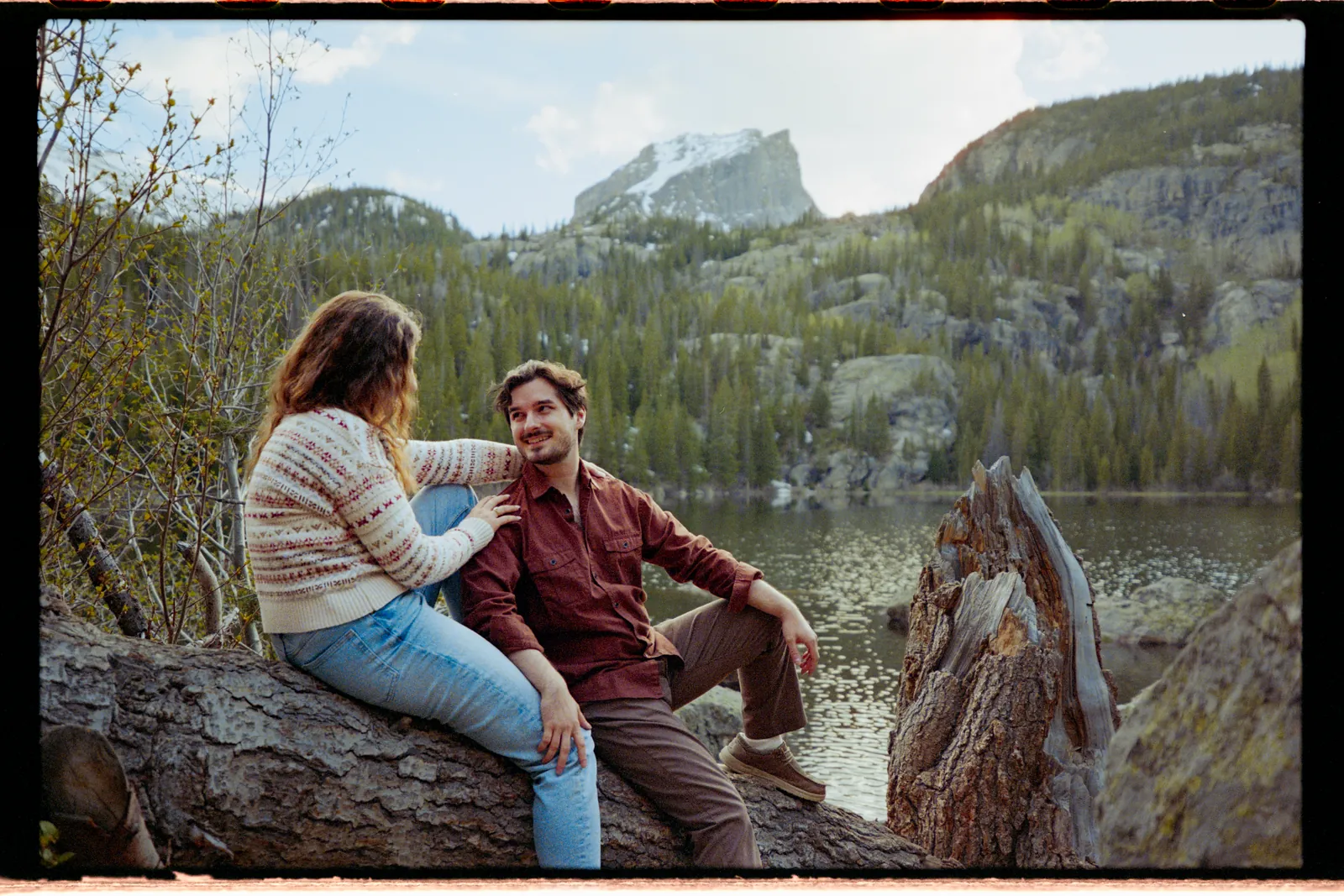
Your National Park Elopement Questions, Answered
Do you need a permit to elope in a national park?
Yes, almost always. Most national parks require a Special Use Permit for any wedding ceremony, even with just the two of you. A few parks make exceptions for tiny groups, like Acadia for 10 or fewer and Shenandoah for 15 or fewer with no setup. When in doubt, apply. Ceremonies without a required permit can result in citations for the couple, photographer, and officiant.
How much does it cost to elope in a national park?
Permit application fees range from $25 to $350 depending on the park, with most between $100 and $200. Budget beyond the application fee: several parks add management or monitoring fees, like Mount Rainier's $250 management fee or Grand Canyon's $210, and entrance fees still apply to your guests everywhere, with rare exceptions like Bryce Canyon waiving them for just the couple and officiant.
How far in advance do you need a national park wedding permit?
Legal minimums range from 72 hours to 90 days or more, but popular parks book out far earlier. Rocky Mountain opens applications one year out and summer dates fill within days. Grand Teton's large ceremony sites sold out for all of 2026. For a summer date at a famous park, plan on applying 9 to 12 months ahead.
Which national park is easiest to elope in?
Shenandoah is the simplest: groups of 15 or fewer with no setup need no permit at all. Acadia waives the permit for 10 or fewer. For low-cost permits with light competition, look at Great Basin, Capitol Reef, North Cascades, Olympic, or Wind Cave, where fees run $50 to $100 and dates rarely sell out.
Can you elope in a national park with just the two of you?
Yes, and a two-person ceremony is the easiest version to permit. Most parks still require the Special Use Permit even for two people, and the couple usually must be the applicant, not a planner or photographer. A handful of parks waive the permit below a small group threshold, but the rules differ park by park, so always verify first.
Do wedding guests pay entrance fees at a national park?
Yes. No park waives entrance fees for wedding parties or guests, and at most parks each vehicle pays at the gate. Some parks layer on additional systems: Great Smoky Mountains requires paid parking tags, Acadia requires a separate Cadillac Summit vehicle reservation, and Haleakalā requires sunrise reservations for dawn ceremonies.
Sixty-three parks, sixty-three sets of rules, and one consistent truth underneath all of it: the couples who have the best national park elopements are the ones who let the place set the terms. Small group, simple ceremony, early light, a permit filed on time, and a plan B written down. Do that, and the park gives you something no ballroom ever could.
If one of these places is calling you, start with the permit office and start early. And if you want the day filmed and photographed by people who treat permits, tide tables, and trailheads as part of the job, that is exactly the work we love most. We are based in Colorado, we travel to every park on this list, and we are on a mission to shoot as many of the 63 as we can. That mission works in your favor: couples who book a national park wedding or elopement with us receive a few complimentary extras for taking us somewhere wild, and we help with the permit application at every park, including filing it for you wherever the park allows it. Ask us about them.
See how we approach adventure weddings on our elopements page, browse recent films and galleries, or read about the Super 8mm film coverage we bring to days like these. Questions about a specific park or date? Ask us directly.
About the Author
 Brandon Krage is the owner and filmmaker behind Motus Weddings, an adventure wedding photography and videography studio based in Colorado. Together with his wife and co-owner Aby, who shoots photo and seconds on video, he has spent more than six years and 150+ weddings and elopements documenting couples on digital, 35mm film, Super 8mm, and 16mm cinema film. Rocky Mountain National Park is their home park: they have filmed and photographed at Sprague Lake, Bear Lake, 3M Curve, and Sheep Lakes at Horseshoe Park, scouted most of the park's designated ceremony sites, and keep a national park pass in steady use. Married since 2021, they have been through every step of this process themselves. More about Brandon and Aby.