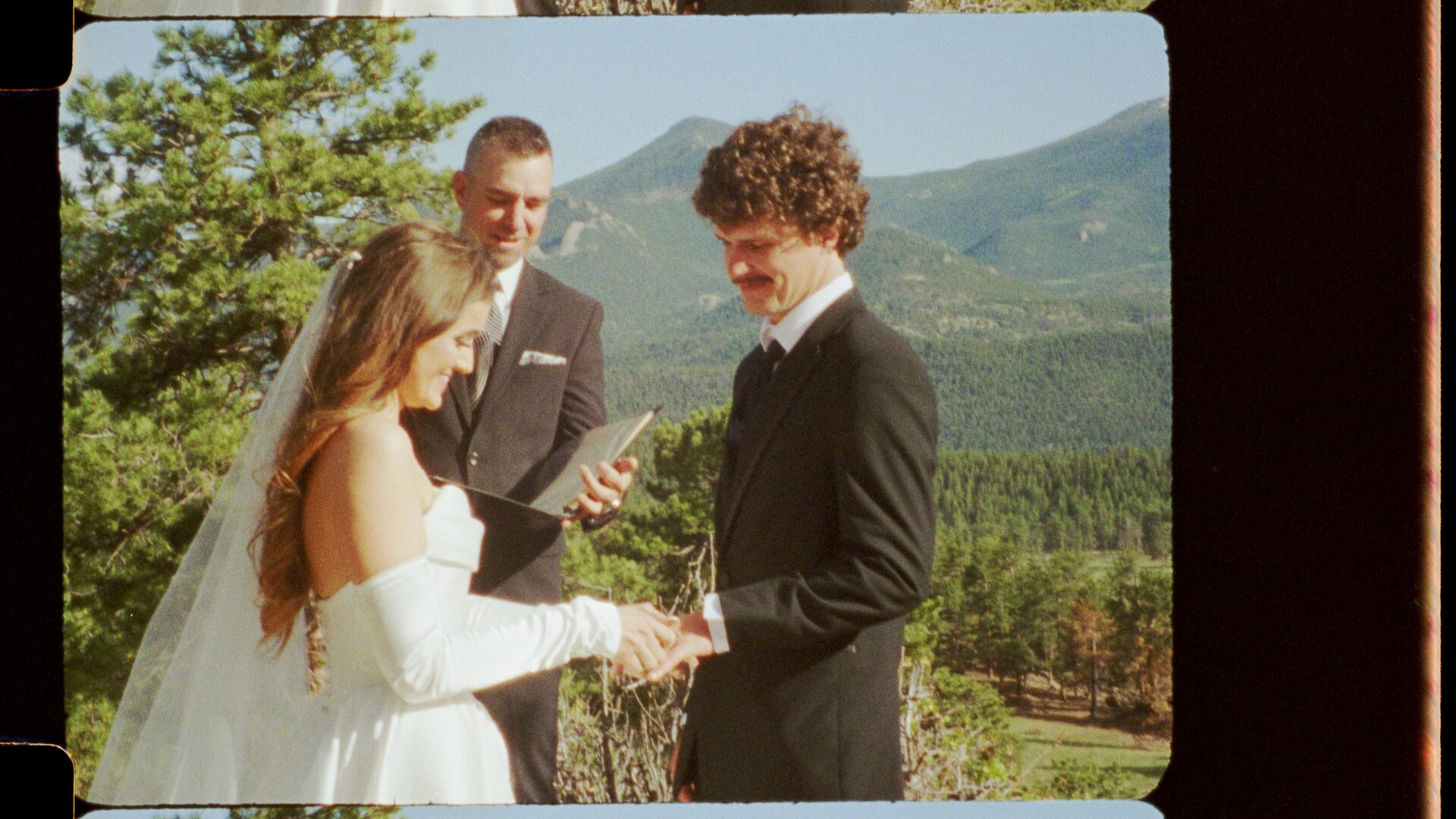
Colorado lets you marry yourselves. No officiant standing in front of you, no witnesses signing the line, no waiting period after you pick up the paperwork. A Colorado marriage license elopement can be exactly what it sounds like: the two of you, a place that means something, your own words, and a single sheet of paper you sign with your own hands. It is one of the most quietly powerful options in the entire wedding world, and most couples have no idea it exists.
If you are reading this, you are probably planning an elopement and trying to figure out the legal part. The good news is that Colorado has made it about as simple as it gets. This guide walks you through self-solemnization, the cost of a license, where to apply, the deadlines that actually matter, and the one mistake we watch couples make over and over. By the end you will know precisely what to do, in what order.
Why Colorado Has the Best Elopement Laws in America
Colorado is one of only about ten states that allows self-solemnization, and it pairs that rare law with a list of conveniences that make eloping here genuinely easy. There is no waiting period, so a license issued at 10 a.m. can be used that same afternoon. There is no blood test, no residency requirement, and no need to involve anyone outside the two of you. The license is valid for 35 days, which gives you a comfortable window to travel, hold the ceremony, and handle the rest.
Stack those rules together and you get something most states cannot offer. You can fly into Denver on a Thursday, drive up to the mountains on Friday, and be legally married Saturday morning with nobody present but the two of you and the people documenting it. For couples who want their day to be about each other rather than a production, that freedom is the whole point. It is also why Colorado has quietly become one of the most popular elopement destinations in the country, drawing couples from every other state specifically for these laws.
Self-Solemnization: How It Actually Works
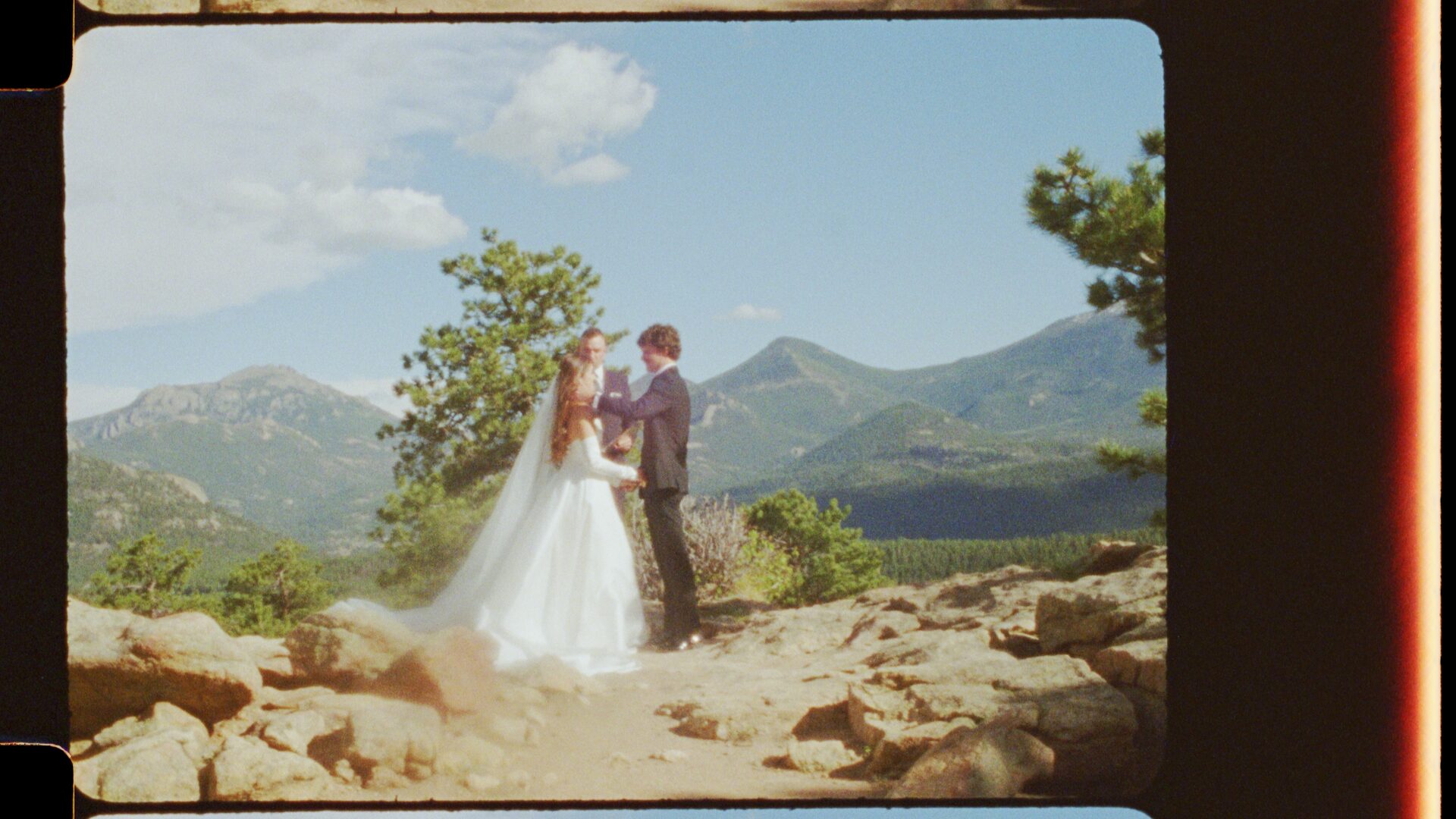
Self-solemnization comes from a single line in Colorado law. Under C.R.S. 14-2-109, a marriage may be solemnized by a judge, a religious or other official, or "by the parties to the marriage." That last clause is the magic. It means the two of you are legally permitted to perform your own ceremony and sign your own marriage license, and the resulting marriage is identical in the eyes of the law to one performed by a minister or a judge.
In practice it looks like this. You pick up your license from a county clerk. You hold your ceremony wherever you want in Colorado, on whatever schedule you choose. When you are ready, you fill in the marriage license yourselves, writing in the date and location and signing your names. There is no officiant line that has to be filled by someone else. You then return the completed license to the clerk for recording. That is the entire mechanism.
The form Colorado uses is sometimes called a Declaration of Marriage, and it is filed with the county clerk just like any other marriage license. The couple signs it. Witnesses are not required to make it valid. Because nothing about it depends on a third party, you control the entire experience: the timing, the location, the words, and the pace.
"Colorado's self-solemnization law is one of the best-kept secrets in the elopement world. The most intimate ceremony I have ever filmed was a couple who wrote their own vows, signed their own license, and had nobody else there. Just the two of them, a meadow, and their words."
This post covers the legal side. For locations, timing, permits, and how the day comes together, start with our complete Colorado elopement guide and our elopement coverage.
How to Get Your Colorado Marriage License, Step by Step
The license itself is the only piece of official paperwork between you and a legal marriage. Here is exactly how to get one, in the order that matters.
Step 1: Apply in the county where you will marry
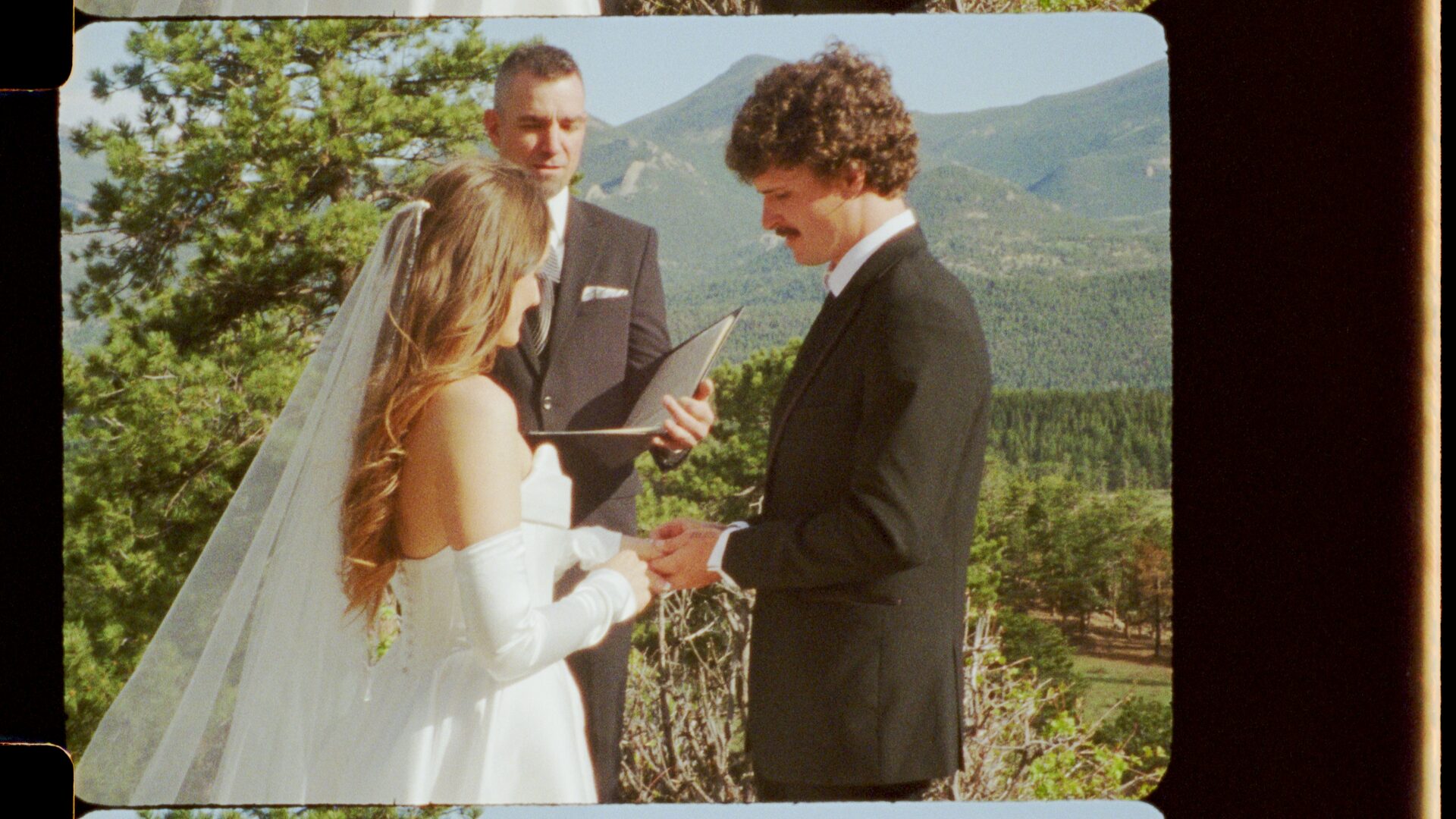
This is the detail couples get wrong most often, so read it twice. You apply in the Colorado county where your ceremony will take place, not the county where you live. The license is county-specific only for where you apply, but once it is issued it is valid anywhere in the state. So if you apply in one county and then decide to say your vows on a pass two counties over, you are still completely legal. The county simply controls where you pick up the paper, not where you can use it.
Step 2: Both of you appear in person
Both partners must appear together at the county clerk and recorder's office. There is no remote or mail-in option for the application, and one person cannot pick up the license for both. Most offices accept walk-ins, but hours vary and some smaller mountain counties keep limited windows, so call ahead. Confirm whether they take appointments and what time they stop issuing licenses for the day.
Step 3: Bring valid ID and the fee
Each of you needs a valid government-issued photo ID, such as a driver's license or passport. The fee is $30 in most Colorado counties as of 2026, though a few charge slightly more and some add a small processing fee for card payments. Bring cash to be safe. If either of you was previously married, know the date the prior marriage ended; some clerks ask, though most do not require documentation.
Step 4: Walk out married-ready, the same day
Because Colorado has no waiting period, the clerk issues your license on the spot and it is effective immediately. You can marry that same afternoon if you want to. From the moment it is in your hands, the license is valid for 35 days. Use it within that window, because if it expires you have to apply, and pay, all over again.
Where to Apply for Popular Colorado Elopements
County by destination · Colorado
Remember: you only need a license from one of these. Once issued anywhere in Colorado, it is valid across the whole state. Pick whichever clerk's office is most convenient to where you are staying, then marry wherever your vision takes you.
Plan Your Elopement Day or email love@motusweddings.com
Do You Need a Witness in Colorado?
No. Colorado does not require any witnesses for a marriage, and this is one of the things that sets it apart from most of the country. When you self-solemnize, the two people getting married are the only required signatures on the license. Nobody else has to be present, and nobody else has to sign for the marriage to be valid and recorded.
You can still invite witnesses if you want them. The license form has space for witness signatures, and some couples like having a parent, a sibling, or a close friend sign as a keepsake and a memory. But that is entirely optional. We have filmed ceremonies with two people and ceremonies with twenty, and the legal outcome is exactly the same. If you want a day that belongs only to the two of you, Colorado law makes that fully possible without cutting any corners.
Do You Need an Officiant?
No. This is the heart of self-solemnization. You do not need to hire an officiant, ordain a friend, or involve a judge. The couple performs the ceremony, and the couple signs the license. Legally, you are the officiant.
That said, "you can skip the officiant" and "you should skip the officiant" are different questions. Some couples love the idea of leading their own ceremony in total privacy. Others want a trusted friend to speak, or a professional celebrant to hold the structure of the moment so they can simply be present. All of those choices are available to you. If you have someone speak, it does not change the legal mechanics: you still sign your own license. The officiant question in Colorado is purely about what feels right for your day, not about what the law demands.
Filing Your Marriage License After the Ceremony
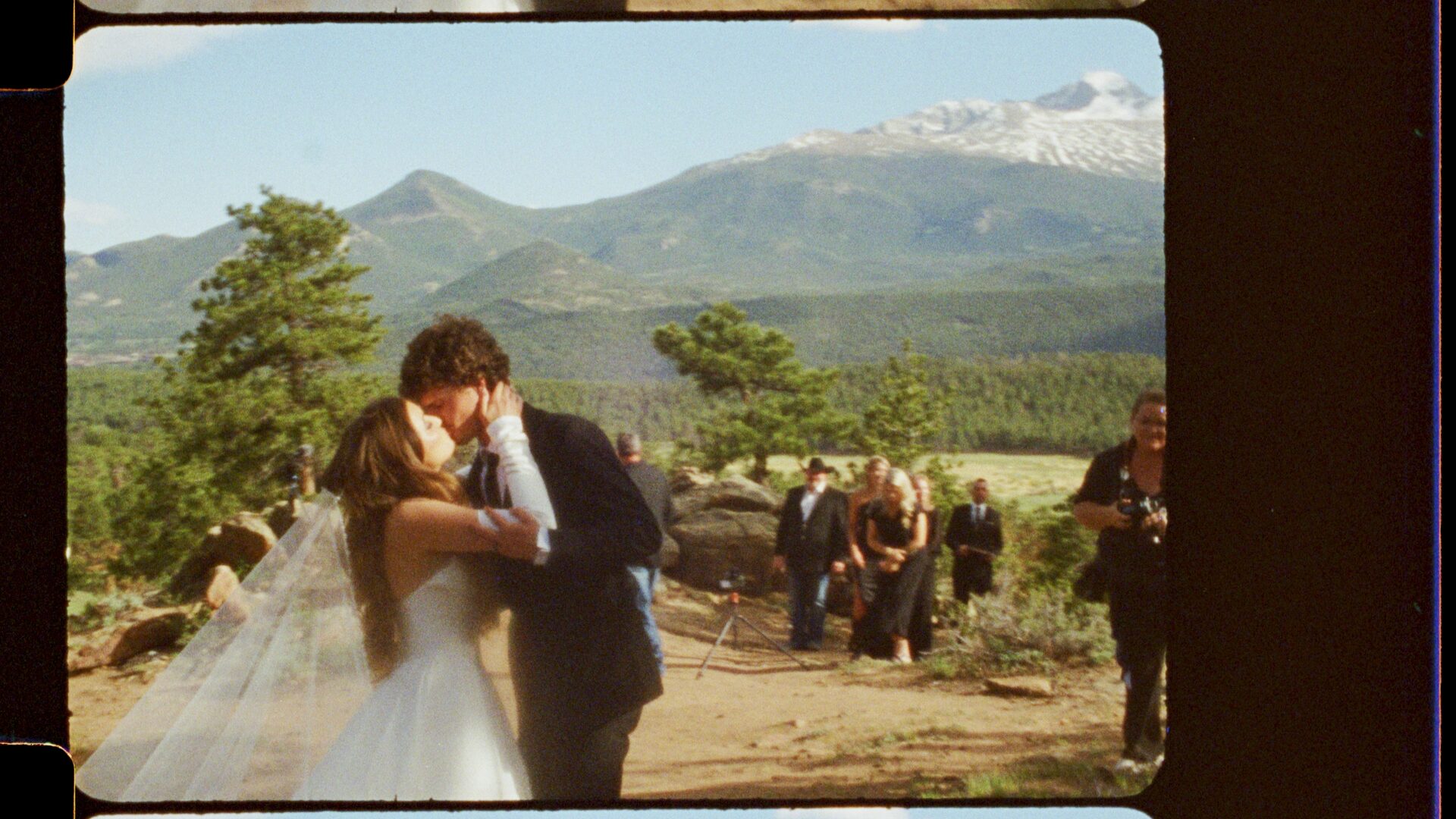
The ceremony is not quite the finish line. For your marriage to be legally recorded, you have to return the completed license to the county clerk that issued it. This is the step couples most often forget in the glow of the day, so put it on a list before you leave for the mountains.
After the ceremony, fill in the license completely: the date of the marriage, the location, and your signatures. Then return it to the issuing county clerk within 63 days of the ceremony. You can mail it back or drop it off in person, and at most offices anyone can return it on your behalf. Once the clerk records it, your marriage is official, and you can request certified copies of the marriage certificate, which you will need for changing names, updating insurance, and the rest of the administrative aftermath.
Two deadlines, two different clocks, and it is worth keeping them straight: the license must be used within 35 days of issue, and the signed license must be returned within 63 days of the ceremony. Miss the first and the license is dead before you marry. Miss the second and your legal marriage never gets recorded. Neither is hard to hit, but both are easy to overlook when you are focused on the day itself.
| Detail | What to Know |
|---|---|
| License fee | $30 in most counties (2026); some add a card processing fee |
| Waiting period | None. Effective immediately, same-day use allowed |
| Where to apply | County where you will marry; valid statewide once issued |
| Who must appear | Both partners, in person, with photo ID |
| Witnesses | Not required; optional on the form |
| Officiant | Not required; couple may self-solemnize (C.R.S. 14-2-109) |
| License valid for | 35 days from issue |
| Return deadline | Within 63 days of the ceremony, to the issuing county |
What This Means for Out-of-State and International Couples
You do not have to live in Colorado to marry here. There is no residency requirement, so out-of-state couples can fly in, apply at any county clerk's office with valid photo ID, and self-solemnize exactly the way a Colorado resident would. A marriage performed legally in Colorado is recognized in all 50 states, which is why couples travel here from across the country for the combination of self-solemnization, no waiting period, and no witnesses. For many of them, the Colorado laws are a bigger draw than any single venue.
International couples can marry here too, and the same Colorado rules apply, but the paperwork picture is larger than this guide can cover. Recognition of your marriage back home depends on your own country's requirements, and some nations want additional documents such as an apostille on your Colorado marriage certificate. If you are traveling internationally to elope in Colorado, confirm what your home country needs before the trip, because the certified certificate is far easier to gather while you are still in the United States. The Colorado side is simple. The international recognition side is where you want to do your homework early.
Putting It All Together: A Sample Self-Solemnized Day
Here is how the legal pieces fold into a real elopement, using a two-person self-solemnized day in the mountains as the example.
A day or two before, the two of you walk into the county clerk's office nearest where you are staying, show your IDs, pay the $30, and walk out with your license. There is no waiting period, so it is ready to use the moment you leave. On the morning of the ceremony, you drive or hike to your spot. You read the words you wrote to each other, exchange rings, and have your first moments as a married couple with nobody watching. When the emotion settles, you fill in the license together and sign it. In the days that follow, you mail the signed license back to the issuing county, well within the 63-day window, and a few weeks later your certified certificate arrives. That is a complete, legal Colorado marriage, start to finish, with no officiant and no witnesses.
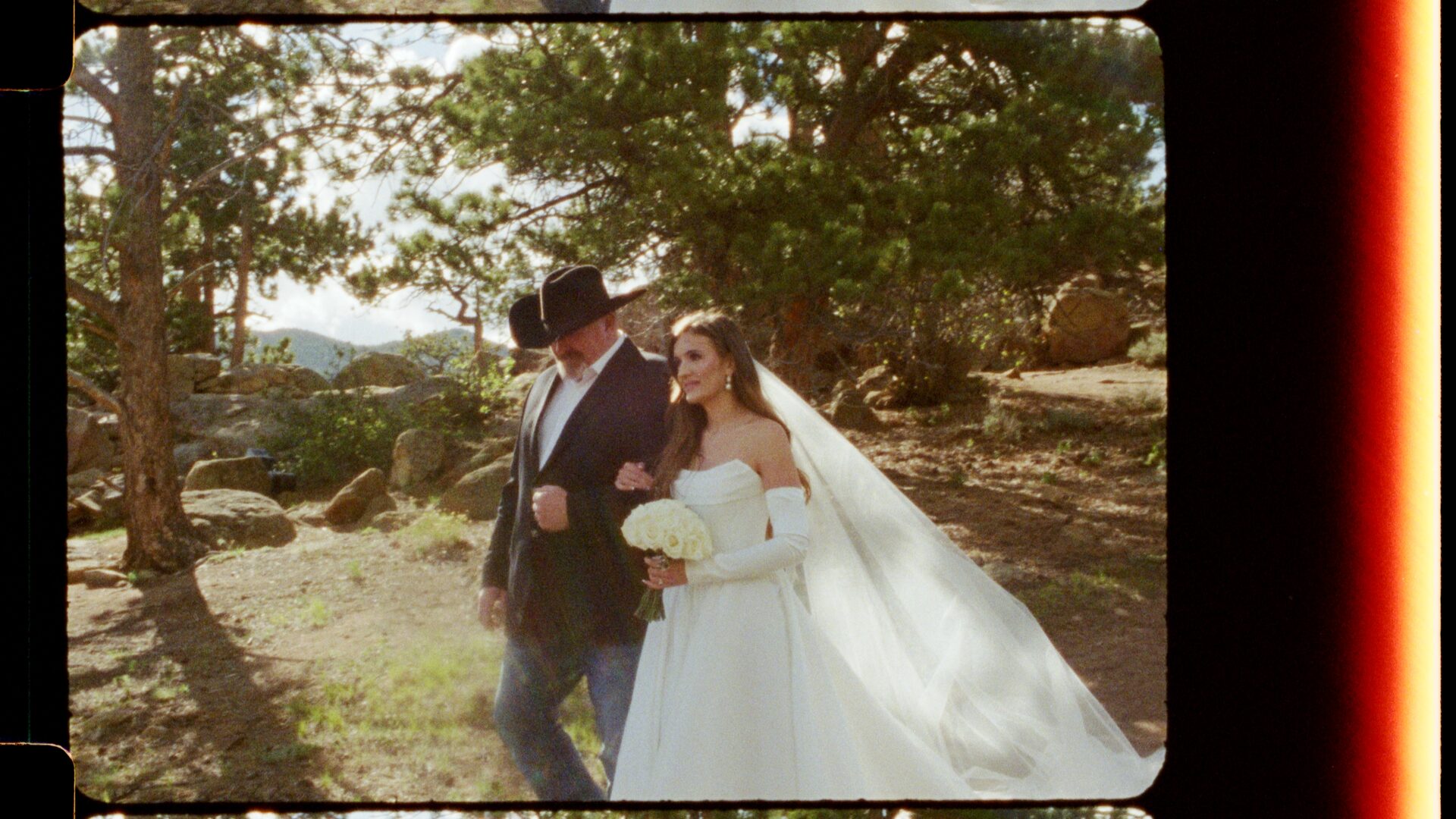
The part we care about most is what sits inside that structure: the look on your faces when the words land, the wind moving through the grass, the quiet right after the kiss. That is the part worth documenting on film and video, and it is exactly the kind of day we love. If you want to see how we approach it, browse our recent work or read about the Super 8mm coverage we bring to days like these.
Your Colorado Marriage License Questions, Answered
Do you need a witness to get married in Colorado?
No. Colorado does not require any witnesses for a marriage. Under C.R.S. 14-2-109 a couple can self-solemnize, meaning the two people getting married are the only required signatures on the license. You may invite witnesses to sign if you want them on the document, but the marriage is fully legal with just your two signatures.
Do you need an officiant to get married in Colorado?
No. Colorado is one of only about ten states that allows self-solemnization, so you can marry yourselves with no officiant. You may still hire a celebrant or have a friend lead the ceremony if you want one, but legally the couple can sign the license themselves and the marriage carries the same weight as any officiated wedding.
How much does a Colorado marriage license cost in 2026?
A Colorado marriage license is $30 in most counties as of 2026. A few counties charge slightly more, and some add a small processing fee if you pay by card, so bring cash to be safe. The fee is the only required cost to get legally married if you self-solemnize, since you do not need to pay an officiant.
Is there a waiting period for a Colorado marriage license?
No. Colorado has no waiting period. The license is issued the same day you apply and is effective immediately, so you can marry that afternoon. The license is then valid for 35 days. If you do not use it within 35 days it expires and you have to apply again.
Which Colorado county do I apply in for my marriage license?
Apply in the county where your ceremony will take place, not where you live. This trips up a lot of couples. Once issued, the license is valid anywhere in Colorado, so a license from one county lets you marry across the state. If you are eloping in Rocky Mountain National Park, that is Larimer County; Maroon Bells is Pitkin County; Great Sand Dunes is Alamosa County.
Can out-of-state couples self-solemnize in Colorado?
Yes. You do not need to be a Colorado resident to get a Colorado marriage license or to self-solemnize. Both partners simply appear in person at a Colorado county clerk's office with valid photo ID. A Colorado marriage is recognized in all 50 states, so couples travel here from across the country specifically for these laws.
The legal side of a Colorado elopement is the easy part, and that is the whole gift of these laws. Thirty dollars, a photo ID, no waiting, no witnesses, no officiant. Sign your own license, return it in time, and you are married. What is left after that is the only thing that ever really mattered: the place you chose, the words you say, and the person standing across from you.
Ready for the rest? Read the full Colorado elopement guide, see how a national park ceremony works in our national park elopement guide, or browse recent films and galleries. Questions about your specific date? Ask us directly.
About the Author
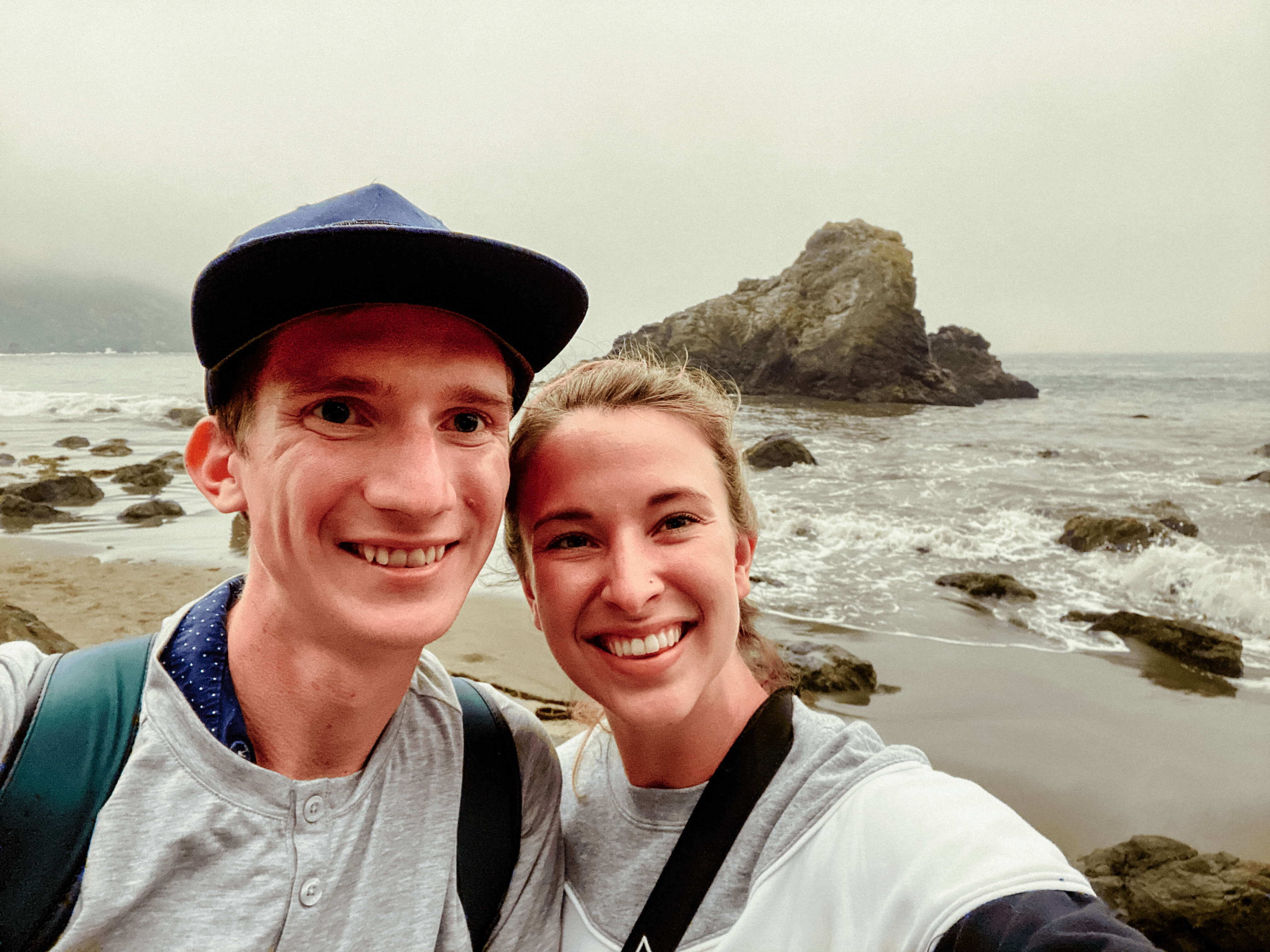 Brandon Krage is the owner and filmmaker behind Motus Weddings, an adventure wedding photography and videography studio based in Colorado. Together with his wife and co-owner Aby, he has spent more than six years and 150+ weddings and elopements documenting couples on digital, 35mm film, Super 8mm, and 16mm cinema film. He has filmed self-solemnized ceremonies across Colorado, from Rocky Mountain National Park to the San Juans, and has walked couples from out of state through this exact license process more times than he can count. Married to Aby since 2021, he has been through it himself. More about Brandon and Aby.