
Mountain elopements are different. The light is different, the weather is different, and the planning is different. Once you have decided you want to say your vows somewhere high and wild, the question that actually keeps you up at night is the practical one: how to plan a mountain elopement so that the day you imagined is the day you get. This guide is that roadmap, written from the trailhead rather than a spreadsheet.
You have already made the big decision. You do not need convincing that an alpine ceremony beats a banquet hall. What you need is the order of operations, the deadlines that matter, and the handful of details that quietly sink couples who plan everything else perfectly. We film and photograph adventure elopements for a living, with the Colorado Rockies as our home range, and almost everything below comes from days spent on actual ridgelines watching what works and what falls apart.
Read it top to bottom, send it to your person, and when you are ready to talk about the day itself, you know where to find us.
Why a Mountain Elopement Is Worth the Extra Planning
Here is the honest trade you are making. A mountain elopement asks more of you than a venue wedding ever would. You will track permit windows, watch weather models, drive switchbacks before dawn, and hike in your ceremony shoes slung over a shoulder. In exchange, you get a day that belongs entirely to the two of you, set against scenery no florist or planner could ever build. Nobody is checking a timeline against a catering contract. The mountain sets the terms, and the mountain is generous when you let it lead.
The couples who love their mountain elopement most are the ones who treated the planning as part of the adventure rather than a chore to survive. Choosing a range, learning its seasons, understanding why a 6 am ceremony beats a 2 pm one, packing a small bag with intention: this is the work, and it is genuinely good work. It also rewards specifics. A mountain elopement that is "somewhere pretty in Colorado, sometime in the fall" is a wish. A mountain elopement at a named spot, on a confirmed date, with a permit in hand and a backup plan written down, is a wedding. The rest of this guide turns the wish into the wedding, one step at a time.

The One Planning Mistake That Sinks More Mountain Elopements Than Any Other
If you read nothing else, read this. The single most common, most expensive mistake we watch couples make is booking their travel and lodging before they have confirmed permit availability. It feels productive. Flights are easy to grab early, the cabin with the view books out fast, and locking those in scratches the planning itch. Then the permit office tells you your date and your dream spot are already taken, and now you are reverse-engineering a wedding around a hotel reservation instead of the other way around.
Permits fill first. Everything else is secondary. At the famous locations, the permit calendar is the hardest thing to get and the first thing to disappear, so it has to be the first thing you lock. Confirm the date and the site with whoever manages the land, in writing, and only then book the flights and the cabin around that confirmation. Build your plan outward from the scarcest resource, and the scarcest resource is almost always the permit. We have watched couples eat the cost of non-refundable lodging because they did this backward, and it is entirely avoidable.
"The permit is the thing that fills first and forgives nothing. Book the cabin around the permit, never the permit around the cabin. Couples who get that one order right rarely get anything else badly wrong."
The 6 Things Every Mountain Elopement Needs, Regardless of Location
Mountain ranges differ wildly, but the checklist underneath them does not. Whether you are in the Rockies, the Cascades, the Sierra, or the Tetons, every mountain elopement needs these six things. Solve all six and you have a legal, documented, safe wedding. Miss one and the day has a hole in it.
- A permit, if you are on public land. National parks, national forests, and most state parks require one for a ceremony, often even for just the two of you. Confirm the rule for your exact spot.
- A state marriage license. The permit lets you stand there; the license actually marries you. It comes from the state, usually the county, where the ceremony happens, with its own waiting period and fee.
- An officiant, or a self-solemnization form. Most states require an officiant. Colorado is the rare exception that lets you marry yourselves with a self-solemnization form and no officiant at all.
- A photographer and videographer. This is the one thing from the day you actually keep. On a mountain it also means someone who can move on terrain and read fast-changing light.
- A weather backup plan. A written second location and a second time, decided in advance, not improvised at 11,000 feet when a storm rolls in.
- Emergency contacts for the trailhead. The ranger district number, the nearest clinic, and a friend at the bottom who knows your route and your expected return time.
Notice what is not on that list. No caterer, no florist, no hair and makeup team, no rented arch. Those can be wonderful, and we will talk about which ones earn their place, but none of them is required to make the day real. The six things above are. Get them, and everything else is decoration.
Talk Through Your Day or email love@motusweddings.com
How Far in Advance Should You Plan a Mountain Elopement?
The honest answer depends on how famous your spot is and which season you want it in. Here is the math we use with our own couples, and it tracks directly to that permits-fill-first rule.
9 to 12 months out: famous locations in peak season
If you want a marquee spot during the popular summer or fall window, plan on 9 to 12 months of lead time. The reason is the permit, not the wedding. At places like Rocky Mountain National Park, applications open roughly a year before the ceremony month and the best dates vanish within days of opening. Fall-color weekends are the most competitive calendar in the system. At this tier, the day your application window opens is functionally your save-the-date, and missing it by 48 hours can cost you the year. Mark the exact open date and apply that morning. Need a hand tracking those windows? That is part of what we do for couples who book with us.
3 to 6 months out: shoulder season or lesser-known spots
If you are flexible on the location, or you want a quieter spot, or you are willing to marry in the shoulder season, three to six months is plenty. Less-famous national forest sites, quieter state parks, and weekday mornings outside peak summer rarely sell out their permit dates. The trade is a little less name recognition for a lot less competition, which is often exactly where the empty trails and the best light hide anyway. Shorter runways are entirely doable here; just confirm the permit minimum for your specific spot, since some sites still want 30 days or more.
Whatever the permit minimum says, remember that your real deadline is usually whatever is hardest to get. Near a famous range, that is lodging: gateway towns book out 9 to 12 months ahead for summer. Work backward from the scarcest thing, confirm the permit before anything else, and check our availability early in that process so the people documenting the day are locked in too.
Step 1: Choose Your Mountain Range
The range chooses your calendar more than your calendar chooses the range. Alpine high country is only reliably snow-free and accessible from roughly mid-July through September. Push earlier and trailheads are buried; push later and the first storms arrive. Lower-elevation foothills and meadows open up far sooner and stay friendly far longer, which matters if you have a fixed date or a sea-level family who will struggle up high.
Start from whichever constraint is firmest. If your date is locked, pick the range that is at its best in that month. If your vision is locked, say a specific lake or a particular ridge, then build the date around when that place is reachable and beautiful. Colorado is our home and an extraordinary place to start, with everything from accessible aspen groves to demanding alpine basins inside a few hours' drive. If you are weighing the state more broadly, our Colorado elopement guide walks through regions, seasons, and the legal basics in one place. The point is to commit to a real, named place early, because every later decision, permit, lodging, timeline, attire, flows from that single choice.

Step 2: Understand Altitude and How It Affects Your Day
Altitude is the variable couples underestimate most, and it does not care how fit you are. If you live near sea level and your ceremony sits at 9,000, 11,000, or 12,000 feet, your body needs time to adjust to thinner air. The fix is simple and it is non-negotiable: arrive 24 to 48 hours before the ceremony to acclimate. Spend that time at elevation, hydrate aggressively, and ease off alcohol the night before. The worst possible plan is to fly in the morning of and hike straight up.
We say that from experience. We once filmed a maid of honor faint at 12,000 feet because she flew in that same morning and went straight to the trailhead. She was fine, but the ceremony stopped while we got her sitting and sipping water, and a moment the couple had planned for months bent around a preventable problem. Altitude sickness does not announce itself politely; it shows up as a headache, then nausea, then a wobble, and it can hit the most athletic person in the group while sparing everyone else. Build in the acclimation days, keep the hike to your ceremony spot reasonable on a body that just arrived, and carry water and snacks for everyone. Treat the elevation as a guest you are hosting, not an afterthought.
No major elevation gain on arrival day. Land, settle in low, sleep, and save the climb for day two or three. The 24 to 48 hours you spend acclimating are the cheapest insurance in this entire guide.
Step 3: Research Permits, Trail Access, and Group Size Limits
By now you know permits come first, so this step is about doing them right. Find out exactly who manages the land under your ceremony spot. National parks run their own special-use permit programs. National forests issue permits through the local ranger district. State parks have their own systems, and private land has none of this but its own owner to ask. Search the place name plus "wedding permit" and look for the official agency result, then call or email the permit office before you commit to anything downstream.
Ask three questions in that first contact: is my date available, does my group size fit this location, and what is the all-in cost including any monitoring or management fees beyond the application fee. That second question matters more than couples expect, because group caps count every single body. A 15-person limit means fifteen humans total: the two of you, the officiant, the photographer, the videographer, your parents, everyone. Couples routinely plan for "a dozen guests," forget the vendors, and discover they are over the cap. Trail access is the other half of this step. A spot that looks ten minutes from the car on a map can be a real climb on talus, and some roads to high trailheads do not open until midsummer. Confirm both the permit and the path before you build the rest of the day on top of them.
Step 4: Plan for Mountain Weather (It Will Surprise You)
Mountain weather is not the weather you check on your phone for the nearest town. It is faster, colder, and far less predictable, and in the high country it can swing thirty degrees and from sun to hail inside an hour. The pattern you must plan around in the Colorado Rockies is the afternoon thunderstorm. From June through August, storms build over the peaks nearly every single day and typically arrive between noon and 3 pm, carrying lightning that makes any exposed ridgeline or summit genuinely dangerous to stand on.
This one fact should shape your entire timeline. Build the day so you are off exposed high ground before midday, which in practice means a sunrise or early-morning ceremony for anything above treeline in summer. It is not a preference, it is a safety call, and it happens to deliver the best light too. Beyond the daily storm cycle, plan for wind that can turn a veil into a sail and cold that arrives the moment the sun drops behind a peak. Watch a true mountain forecast, not a valley one, in the days before your date. And write down a backup: a second location at lower elevation and a second time, decided in advance, so that if the sky turns you are adjusting a plan rather than inventing one in a hurry.

Step 5: Plan for Light, Not Just Location
Couples obsess over the where and forget the when, but on a mountain the time of day matters as much as the place. We think of it as a golden triangle, and choosing the right corner is what separates a good mountain elopement from a stunning one.
Sunrise: best for the famous, crowded spots
If your heart is set on a location everyone wants, marry at sunrise. You get the most dramatic light of the day, the air is calm before the wind picks up, the afternoon storm threat is hours away, and, crucially, you have the place almost to yourselves before the crowds arrive. The trade is an early alarm and a headlamp hike in the dark, and it is worth every minute. The most-photographed overlook in the state feels private at 5:30 am.
Golden hour: best for accessible spots
For a more reachable location without a crowd problem, evening golden hour is the easier and equally beautiful choice. You sleep in, hike up in daylight, and let the low sun do its work in the final hour before sunset. Just keep the summer storm cycle in mind: golden hour works best for lower-elevation or sheltered spots where you are not exposed on a ridge, since the afternoon weather has to clear first.
Midday: rarely the right answer
High noon is the corner to avoid. Direct overhead sun is harsh and flat, it casts hard shadows under the eyes, and it is also exactly when the storms arrive. The one exception is above treeline under a soft overcast sky, where flat light becomes even and forgiving and the clouds themselves add drama. Outside that specific case, plan your ceremony for the edges of the day, not the middle.
A photographer who actually works in these mountains will steer you toward the right corner for your specific spot and season. That is half the value of hiring someone local: not just pressing the shutter, but knowing that this lake glows at dawn while that ridge is better at dusk, and timing your whole day around it.
Step 6: Hire Only the Vendors You Actually Need
The wedding industry will tell you a long list of vendors is mandatory. For a mountain elopement, most of that list is optional, and a few items are actively counterproductive at altitude. Here is the honest sort between what you need and what you are merely told you need.
- Photographer: yes. This is the one vendor that is genuinely non-negotiable, because it is what you keep. On a mountain, you want one who hikes and reads light, not one who only works in good weather near a parking lot.
- Officiant: yes, in most states. You need someone legally able to marry you. The exception is Colorado, where you can self-solemnize and skip the officiant entirely with a simple form.
- Florist: optional. Wildflowers are free and already perfectly placed. A small bouquet you carry up can be lovely, but you do not need a full floral order, and many public lands restrict what you can bring anyway.
- Hair and makeup: optional, and harder up here. Wind and altitude undo a polished style fast. Many couples do their own, keep it simple, and look more like themselves for it.
- Caterer: skip it. Pack a picnic instead. A bottle of something good, real food in a backpack, and a view beats a catering tent on a trail every time, and it is one fewer thing to permit and carry.
The thread running through all of it: a mountain elopement is at its best when it is light, mobile, and stripped to what matters. Every vendor you add is another person counted against your permit cap, another body to move across terrain, and another thing that can run late. Spend the budget you save on the coverage and on an experience you will actually remember, and let the mountain handle the rest.
For how we cover days like these, including filming vows on Super 8mm and what the difference between film formats means for your wedding, see our recent work. It will tell you more than any package list.
Step 7: What to Wear (and What to Carry)
The best single piece of attire advice for a mountain elopement is this: dress like you are going somewhere magical, but prepare like you are going on a hike. Those two ideas are not in conflict. Your dress or your suit can be every bit as beautiful as you imagined; what changes is everything around it, especially your feet and your layers.
Footwear is the most underestimated decision in the whole day. Dress shoes on a talus field are one of the most common ways a mountain elopement timeline falls apart. A turned ankle or a slip on loose rock can end the hike before the ceremony starts. The simple solution: wear real hiking footwear for the approach, carry your ceremony shoes in the pack, and change at the top. Beyond shoes, plan for cold and wind even in July, because the temperature drops the instant the sun goes behind a peak. Bring warm layers you can throw on between photos, water and snacks for everyone in the group, and a small backpack to carry it all. A long dress can travel in a garment bag and shake out fine at the top. Looking like yourself in the wild and being genuinely prepared for the wild are the same goal, not competing ones.
For a full breakdown by season, from summer florals to a winter ceremony in fifteen degrees, our companion guide on what to wear for a mountain elopement covers dresses, suits, footwear, and layering in detail.

A Sample Mountain Elopement Day Timeline
Every day is different, but a summer sunrise mountain elopement built around the rules above tends to flow something like this. Use it as a skeleton and adjust to your spot, your season, and how far you have to hike.
| Time | What's Happening |
|---|---|
| 4:00 am | Wake up at your lodging near the trailhead. Coffee, a real breakfast, and a final weather check on a true mountain forecast. |
| 4:45 am | Drive to the trailhead in the dark. Meet your photographer and videographer at the parking area. |
| 5:15 am | Start the hike up in hiking shoes, headlamps on, ceremony attire and shoes carried in packs. |
| 6:00 am | Reach the ceremony spot before the crowds. Change shoes, shake out the dress, take a breath at elevation. |
| 6:20 am | Ceremony at first light. Vows, self-solemnization or officiant, the quiet of an empty mountain. |
| 6:45 am | Portraits in the best light of the day while the air is still calm and the storms are hours away. |
| 7:45 am | A packed picnic with a view. Champagne, real food, no rush. |
| 8:45 am | Hike down well ahead of any midday weather, back in hiking shoes. |
| 10:00 am | Off the mountain with the whole afternoon free to celebrate however you like. |
Notice how the entire day is built backward from two constraints: being on the spot for first light and being off exposed ground before the afternoon. That is the heart of mountain elopement planning. Solve those two and the schedule writes itself.
Mountain Elopement Mistakes to Avoid
A few patterns show up again and again. You have read the reasoning behind most of these already; here they are in one place so you can run a final check before you commit.
- Booking travel before confirming the permit. The big one. Permits fill first; lock the date and site before flights and lodging.
- Flying in the morning of a high-altitude ceremony. Arrive 24 to 48 hours early to acclimate. Altitude does not care how fit you are.
- Scheduling an exposed midday ceremony in summer. Afternoon storms arrive between noon and 3 pm. Be off the ridge before then.
- Forgetting vendors count against the group cap. Your photographer and officiant are bodies too. Count everyone.
- Wearing dress shoes for the hike. Carry them, change at the top, and protect the whole timeline.
- Skipping the written backup plan. Decide a second location and time in advance, not at altitude with a storm coming in.
- Hiring a photographer who does not hike. Choose someone who can move on terrain and read fast-changing mountain light.
That is the whole roadmap. Confirm the permit first, plan for altitude and weather like they are guests at the wedding, build the day around light rather than convenience, keep the vendor list lean, and pack like a hiker who happens to be getting married. Do those things and a mountain elopement stops being a logistical gamble and becomes exactly what you pictured: the two of you, somewhere high and quiet, with the best light of the day and nobody else around.

If a particular range or a particular spot is already calling you, start with the permit office and start early. And if you want the day filmed and photographed by people who treat trailheads, weather windows, and altitude as part of the job, that is exactly the work we love most. We are based in Colorado, we hike with our couples, and we have planned more sunrise ceremonies around afternoon storms than we can count. Tell us your range and your date and we will tell you honestly what it takes to make it happen.
Weighing specific locations? Our Colorado elopement guide covers the whole state, and our national park elopement guide breaks down permits park by park. For the day itself, see our elopement coverage.
Your Mountain Elopement Questions, Answered
How far in advance should you plan a mountain elopement?
It depends on the location and season. Popular summer and fall dates at famous mountain spots need 9 to 12 months, because permits open about a year out and fill within days. Shoulder season dates or lesser-known locations can come together in 3 to 6 months. Your real deadline is usually permit availability and lodging, not the ceremony itself.
How do you deal with altitude at a mountain elopement?
If you live near sea level, arrive 24 to 48 hours before the ceremony to acclimate. Hydrate well, ease off alcohol the night before, and avoid flying in the morning of a high-altitude ceremony. Altitude affects everyone differently, so build in margin and never schedule a strenuous hike for the same morning you land.
What time of day is best for a mountain elopement?
Sunrise is best for famous or crowded locations because you get dramatic light and far fewer people. Golden hour in the evening works well for more accessible spots. Midday is rarely ideal unless you are above treeline under overcast skies. In summer, an early ceremony also keeps you off exposed ridgelines before afternoon storms.
What do you need for a mountain elopement?
Every mountain elopement needs six things: a permit if you are on public land, a state marriage license, an officiant or a self-solemnization form where Colorado allows it, a photographer and videographer, a weather backup plan, and emergency contacts for the trailhead. Florals, hair, makeup, and catering are optional extras, not requirements.
What should you wear for a mountain elopement?
Dress like you are going somewhere magical but prepare like you are going on a hike. Bring real footwear for the approach and change into your ceremony shoes at the top. Pack warm layers for wind and elevation. Dress shoes on a talus field are one of the most common ways a timeline falls apart.
Do you need a permit to elope in the mountains?
Often, yes. If your ceremony is on public land such as a national park, national forest, or state park, you usually need a permit, even with just the two of you. Private land and some small-group thresholds are exceptions. Confirm the rule for your exact spot before you book travel, because permit availability dictates everything else.
About the Author
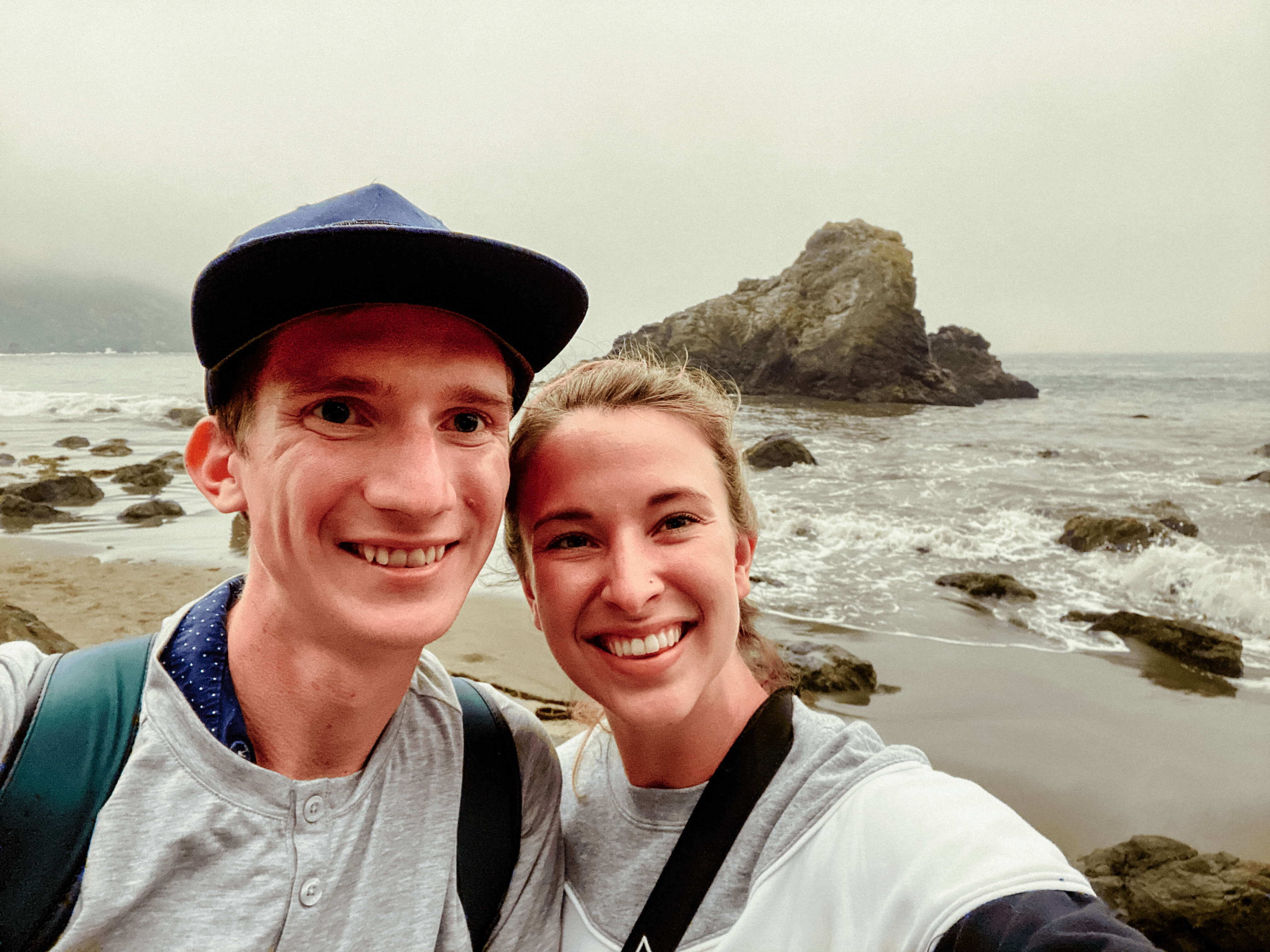 Brandon Krage is the owner and filmmaker behind Motus Weddings, an adventure wedding photography and videography studio based in Colorado. Together with his wife and co-owner Aby, who photographs and seconds on video, he has spent more than six years and 150+ weddings and elopements documenting couples in the mountains on digital, 35mm film, Super 8mm, and 16mm cinema film. The Colorado Rockies are their home range, where they have planned sunrise ceremonies around afternoon storms, hiked couples to alpine lakes, and learned the altitude lessons in this guide firsthand. More about Brandon and Aby.