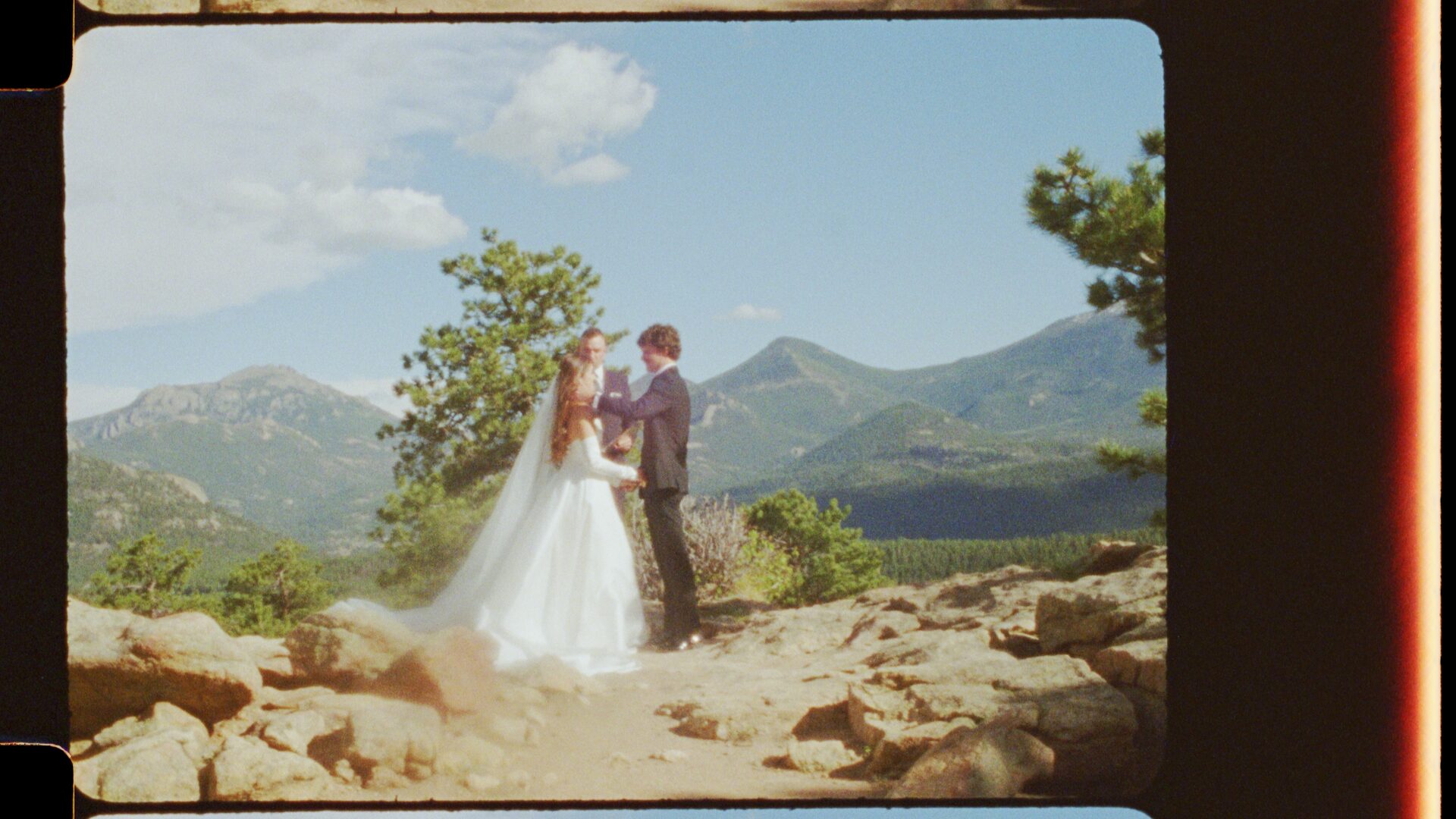
Where would you go if you could go anywhere? Not the place that is easiest to reach, or the one your venue coordinator suggested, but the place that has always lived somewhere in the back of your mind. A glacier. A black-sand coastline. A granite spire you saw in a film once and never forgot. When you stop planning a wedding and start planning the day you actually want, the map gets a lot bigger. That is the moment you start looking for a destination elopement photographer, someone who will travel to that place with you and bring it home on film.
You should know up front that hiring a photographer who travels is a different decision than booking a local one. The right person is not the closest person — it is the one whose work already looks the way you want your day to look. It is the one whose work already looks the way you want your day to look, even if they have to get on a plane to be there. This guide walks you through how to plan a destination elopement from the first daydream to the day itself: choosing the place, untangling marriage laws, sorting permits, hiring a photographer who travels, and getting your whole team on the ground in time to do it right.
We document adventure elopements for a living, with Colorado as our home base and a passport that stays current. We travel nationally and internationally for couples who want their day somewhere wild, and we want to be honest about what that takes. So bookmark this, send it to your person, and when you are ready to talk about where you want to go, you know where to find us.
What a Destination Elopement Actually Means
A destination elopement is a small, intentional ceremony held somewhere you traveled to get to, with no big guest list and no traditional reception. The two of you, maybe a handful of the people who matter most, an officiant, and the team documenting it. The word destination just means you crossed a meaningful distance to be there, whether that is a flight across the country to a national park or a flight across the world to a fjord. The scale stays small. The setting gets enormous.
It helps to separate the three ideas people tend to blur together. An elopement is small and ceremony-focused. A destination wedding usually still carries a guest list and a reception, just in another place. A destination elopement keeps the elopement's intimacy and adds the travel. You are not throwing a party in Tuscany for ninety people. You are standing on a ridge with the one person you are marrying, and the day belongs entirely to the two of you. That distinction shapes every decision that follows, from how many vendors you bring to how you handle the legal side.
Because the guest count stays low, your budget shifts. Money that would have gone toward catering a hundred plates goes toward travel, experience, and the people capturing it. Couples who choose this route almost always tell us the same thing afterward: they are glad they spent on the memory of the place rather than the logistics of a crowd.
Why Couples Choose to Elope Far From Home
The honest reason is usually emotional before it is practical. Somewhere along the way, the standard wedding stopped feeling like them. A destination elopement gives couples permission to design a day around a place they love instead of a venue they tolerate. And there is a quiet practical truth underneath the romance, one nobody talks about: destination elopements often have the best light of any wedding we photograph, because the couple chose the location for its beauty, not for its ballroom. When you build the day around a place worth traveling to, the photos almost take care of themselves.
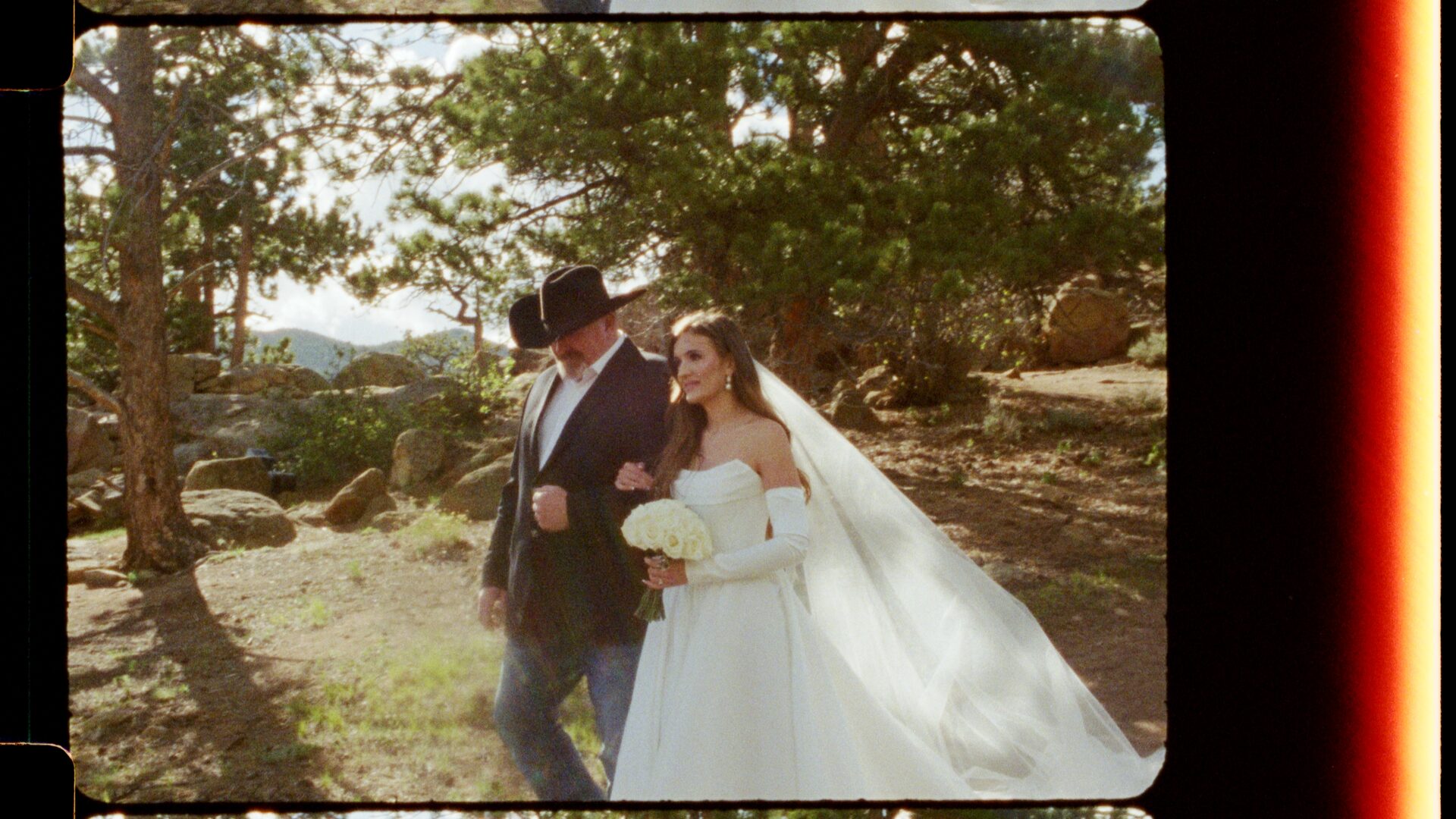
There are practical pulls too. Eloping far from home can sidestep the family-politics machine that turns a simple ceremony into a negotiation. It lets couples who live between two cities, or two countries, pick neutral ground. And for adventurous people, the travel is not a cost to minimize, it is the point. The trip becomes the honeymoon, the ceremony, and the story all at once. You are not adding a vacation to a wedding. You are folding the whole thing into one experience you will tell people about for the rest of your life.
If you have a location in mind and want to know whether it works for an elopement, our elopement coverage page explains how we plan the day, and our recent work shows the kind of light we chase.
Step 1: Choose Your Destination
Start with meaning, then filter by season. The best destination is rarely the most famous one. It is the place that means something to the two of you, or the landscape that makes you both go quiet when you see a photo of it. Once you have a shortlist, the calendar does the editing. Every great location has a window when it is at its best and a window when it will fight you, and the gap between the two is enormous.
Alpine destinations like Glacier National Park in Montana or Grand Teton in Wyoming are only reliably accessible and snow-free from roughly July through September. Coastlines have their own moods: a place that is golden and calm in September can be lashed with wind in March. International destinations add a hemisphere flip, so Patagonia's summer is our winter. Pick the experience you want, the wildflowers, the dramatic clouds, the long evening light, then work backward to the months that deliver it. If you have a fixed date for personal reasons, start from the destinations that are at their best on that date rather than forcing your dream location into the wrong season.
One more filter that couples forget: accessibility for your team and any guests. A location that requires a permit, a guide, a long hike, or a seaplane is completely doable, but it changes the timeline and the cost. Decide early how remote you actually want to go, because that single choice ripples through everything else in this guide.
Step 2: Understand Local Marriage Laws (You Likely Marry at Home)
Here is the thing that surprises couples most: for the majority of international elopements, you do not get legally married at your destination. You marry at home, usually a few days before or after the trip, and then hold a symbolic ceremony in the place you traveled to. That symbolic ceremony is the real one in every way that matters emotionally. It just is not the one that signs the paperwork.
The reason is bureaucratic. Many countries require residency periods, in-country waiting times, document translations, and apostilles that are difficult or impossible to satisfy on a short trip. Trying to be legally wed in a foreign country on a two-week itinerary often means weeks of advance paperwork and sometimes an in-person visit you cannot make. So most couples treat the legal marriage as a quiet errand at the courthouse back home and let the destination ceremony carry all the meaning. Nobody at the glacier knows or cares which one was "official."
Within the United States, it is simpler. You typically get the marriage license in the county or state where you are eloping, so a couple eloping in Acadia gets a Maine license, and a couple at Olympic National Park gets a Washington one. Check the waiting period, the fee, the witness requirement, and whether both of you must appear in person. Wherever you go, abroad or stateside, confirm the current rules at travel.state.gov and the local government source before you build the rest of the trip around an assumption.
"The license is paperwork. The ceremony is the marriage. When couples realize they can separate the two, the whole world opens up as a place to say their vows."
Step 3: Permit and Location Logistics
The most photogenic places on earth are often protected, which means they come with rules. National parks, national forests, protected coastlines, glaciers, and many iconic overlooks require a permit, a licensed local guide, a timed reservation, or some combination of the three. The permit is permission to stand there and hold a ceremony. It is not optional, and rangers do issue citations to couples, officiants, and photographers who skip it.
Every location runs its own system, so the work is in the research. For US national parks, search the park name plus "wedding permit" and look for the official government result, then contact the permit office to confirm your date is available, which sites fit your group size, and what the all-in cost is including any monitoring or management fees beyond the application fee. Internationally, a protected area may require you to hire an authorized local guide who handles access, and some glaciers and backcountry zones simply cannot be entered without one. Build that into the plan rather than discovering it on arrival.
This is exactly where a local on-the-ground partner earns their place. A traveling photographer covers the visual story and the flow of your day. A local planner, guide, or coordinator covers the ground logistics that only a resident truly knows: which permit office actually answers the phone, where the legal parking is, when the crowds arrive, and which trail is washed out this week. The roles complement each other, and on a remote elopement you often want both. We can usually help you find and coordinate the local piece once we know where you are headed.
Ask Us About Your Location or email love@motusweddings.com
Step 4: Hire a Photographer Who Travels
This is the decision the whole day hinges on, and it is worth slowing down for. The question couples agonize over is whether to hire a local photographer who knows the land or fly in their own person. Both choices are defensible, and the trade is real. A local photographer knows the terrain better, knows where the light lands at six in the evening, and knows the shortcut to the overlook. But your person knows you better, and they already make the kind of photos you want for your day. You have to decide which of those two kinds of knowledge matters more to you.
My honest take, after years of doing this: for a destination elopement, I would hire someone who shoots the way you want your photos to look, even if I have to fly them in. The location knowledge gap closes faster than the style gap. A good traveling photographer closes it on purpose, which brings us to the single most important habit to look for. We ask to arrive the day before any destination wedding so we can scout the real location in real conditions. Google Maps shows you a pin. It does not show you the afternoon light, the wind off the water, the closed trailhead, or the spot where everyone else is standing at golden hour. Scouting in person is the difference between a photographer who knows the land on paper and one who knows it for your day.
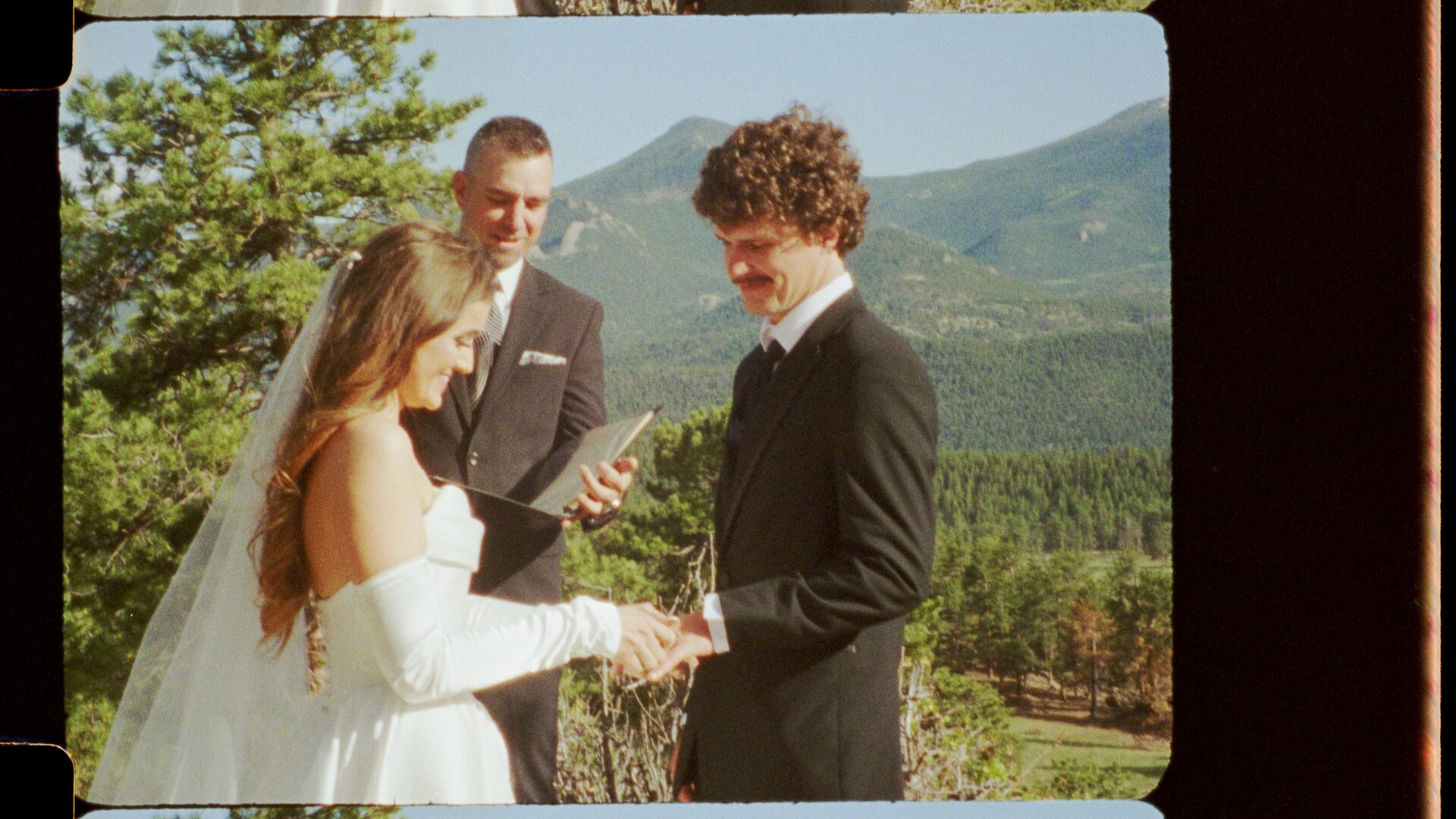
When you interview a traveling photographer, ask how they handle travel fees, because this is where couples get quietly burned. Some studios add a percentage markup on top of airfare, which means you pay more the more the flights cost, with no extra value to you. We do it the transparent way: a flat travel day fee plus the actual cost of flights and lodging, no markup and no percentage games. You see exactly what the travel adds, and it does not balloon because a fare spiked. Ask any photographer you are considering to spell out their travel model in plain numbers before you book. A clear answer is a good sign. A vague one is a warning.
Step 5: Plan Travel for Your Vendors
Your vendors are traveling too, and their logistics belong in your timeline from the start, not as an afterthought the week before. For most destination elopements your travel team is small, often just your photographer and perhaps an officiant, which is one of the quiet advantages of eloping over a full destination wedding. Fewer people to move means fewer things to go wrong. Still, build their flights, lodging, and a scouting day into the plan so nobody is racing in jet-lagged on the morning of your ceremony.
The non-negotiable piece is arrival timing. We arrive at least the day before so we can scout, adjust the timeline to the real conditions, and have a buffer if a flight is delayed. If your team lands the morning of the ceremony, you are gambling your entire day on the airline industry having a good morning. Give your vendors, and yourselves, a full day of margin on the front end. It is the best insurance in the whole budget, and it costs almost nothing.
If you film any of the day on motion picture stock, security is its own small task worth planning. Super 8mm film up to ISO 400 can go through carry-on X-ray without issue, but 16mm cinema film should be hand-checked, and the newer CT scanners can fog motion picture film. I always hand-inspect film at security rather than risk it. It takes a few extra minutes and a polite request to the agent, and it is one more reason your film team should arrive with margin to spare. None of this is hard. It just rewards the team that planned for it.
The places couples travel to deserve a medium with soul. See what motion film adds in our guides to Super 8mm wedding film and 16mm cinema film.
The 10 Most Photogenic Destination Elopement Locations
These are the destinations we travel for and the ones we are actively pursuing for the right couples. Some we have already documented, in places like Rocky Mountain National Park, Maroon Bells, the Great Sand Dunes, Black Canyon, and Telluride in Colorado. Others are on our map and ready the moment a couple says go. Use the list as inspiration, then read the season note on each, because timing is everything.
ICELAND · NORTH ATLANTIC
Iceland
The most accessible dramatic landscape on the list. Black-sand beaches, thundering waterfalls, and moss-carpeted lava fields sit within a few hours of the airport. Summer brings nearly endless light, while winter offers the aurora and far fewer people. Wind is the constant, so an experienced team and a flexible timeline matter more than a fixed location.
ARGENTINA & CHILE · SOUTHERN ANDES
Patagonia
The end of the world, and one we would travel to for the right couple. Torres del Paine in Chile and Fitz Roy near El Chalten in Argentina deliver granite spires unlike anywhere else on earth. The wind is legendary, the seasons are flipped, and the payoff is a backdrop that looks unreal. Plan around the Southern Hemisphere summer and a guide for the protected zones.
ITALY · SOUTHERN ALPS
The Italian Dolomites
Pale limestone towers that turn rose-gold at sunset, with cable cars and mountain huts that make the high country surprisingly reachable. The Dolomites pair big alpine drama with Italian warmth and food, so the trip feels as good as it photographs. Summer is the window, and shoulder weeks in June and September trade a little weather risk for far fewer crowds.
SCOTLAND · UNITED KINGDOM
The Scottish Highlands
A rare destination where the legal side is genuinely easy: Scotland permits legal outdoor ceremonies almost anywhere, so you may be able to truly marry on the spot. Misty glens, glassy lochs, and ruined castles give the day a windswept, cinematic mood. Bring layers, expect dramatic skies, and embrace the weather rather than fighting it.
NEW ZEALAND · SOUTHERN HEMISPHERE
New Zealand
The South Island packs fjords, glaciers, turquoise lakes, and the Southern Alps into a single drivable region. Helicopter access to remote peaks and glaciers makes the truly cinematic locations reachable for a ceremony. New Zealand also makes it relatively straightforward to obtain a marriage license, which sets it apart from much of this list. Plan for the Southern Hemisphere summer.
NORWAY · SCANDINAVIA
Norway
Deep fjords carved between sheer cliffs, with summer's midnight sun giving you golden light at hours that feel impossible. Iconic ledges like Trolltunga and the western fjordlands reward couples willing to hike for the view. Winter swaps the long days for the northern lights. Either way, the scale of the landscape makes the two of you feel gloriously small.
FAROE ISLANDS · NORTH ATLANTIC
The Faroe Islands
The most off-the-map choice on the list, and the one that feels like a secret. Emerald cliffs plunge into the Atlantic, fog rolls through grass-roofed villages, and sea stacks rise out of the water like something invented. There are almost no crowds. The trade is unpredictable weather, so flexibility and a team that can move with the fog are essential.
CALIFORNIA · UNITED STATES
Big Sur, California
For couples who want the drama without the passport, Big Sur delivers a coastline of cliffs, redwoods, and Pacific fog along Highway 1. California issues marriage licenses with no waiting period, so the legal side is simple and same-state. Spring and fall avoid the heaviest fog and summer crowds. Many cliffside spots sit on state park or federal land, so confirm permit rules first.
HAWAII · UNITED STATES
Hawaii
A destination we travel to, with the rare combination of tropical warmth and serious drama: volcanic coastline, lush valleys, waterfalls, and black-sand beaches. Hawaii is US soil, so you can obtain a license in advance and marry legally on the islands. Many beaches and parks require a permit for ceremonies, so build that in. Shoulder seasons dodge both the heaviest rain and the biggest crowds.
SWITZERLAND · THE ALPS
Switzerland
The postcard Alps, made astonishingly accessible by one of the best mountain transit systems in the world. Cable cars and cog railways carry you to ridgelines and glacier views that would otherwise take days to reach, then deliver you back to a warm village by dinner. Summer is the season, when the high meadows are green and the peaks still hold snow.
How these destinations compare at a glance
| Destination | Best Season | Legal Marriage On Site? | Effort Level |
|---|---|---|---|
| Iceland | Summer / winter aurora | No, symbolic | Easy access |
| Patagonia | Nov–Mar | No, symbolic | Remote |
| Italian Dolomites | Jun–Sep | No, symbolic | Moderate |
| Scottish Highlands | May–Sep | Yes, outdoor legal | Easy access |
| New Zealand | Nov–Apr | Yes, with planning | Moderate |
| Norway | Summer / winter aurora | No, symbolic | Moderate |
| Faroe Islands | May–Sep | No, symbolic | Remote |
| Big Sur | Apr–Jun, Sep–Oct | Yes, California | Easy access |
| Hawaii | Apr–Jun, Sep–Oct | Yes, Hawaii | Easy access |
| Switzerland | Jun–Sep | No, symbolic | Easy access |
What Motus's Travel Coverage Includes
We built our travel coverage to be simple and honest, because a destination elopement already has enough moving parts. We travel nationally and internationally, and the model is the same wherever we land: your normal coverage, photo or film or both, plus a flat travel day fee and the actual cost of flights and lodging. No percentage markup on airfare, no surprise line items. You see exactly what the travel adds, and it stays predictable.
Inside that, the day looks the way it should. We arrive at least the day before to scout your location in real conditions and adjust the timeline to what the light and the weather are actually doing. We can document on digital, 35mm, Super 8mm, and 16mm cinema film, and we plan the film logistics, including hand-inspecting it through security, so the medium never becomes a problem on travel day. And we help connect the dots with the local piece when you need a guide or a permit coordinator on the ground.
We are honest about where we have been and where we are headed. We have documented elopements across Colorado's wildest corners and we are actively building our destination work in places like Glacier, Grand Teton, Olympic, Acadia, Hawaii, and beyond. If your dream location is somewhere we have not stood yet, that is not a reason to hesitate. It is a reason to talk, because scouting and showing up early is exactly how we close that gap. The most photogenic destination elopement is the one that means something to you, and we will travel to it.
"For a destination elopement, I would hire someone who shoots the way you want your photos to look, even if I have to fly them in. The location you can learn. The way someone sees, you cannot."
Your Questions, Answered
How much does a destination elopement photographer cost?
You pay the photographer's normal coverage rate plus travel. At Motus the travel piece is a flat travel day fee plus actual flights and lodging, never a percentage markup on airfare. For most domestic destinations that adds a modest, predictable amount to your investment, and international trips scale with the number of travel days the location requires.
Should I hire a local photographer or fly in my own?
A local photographer knows the land better, but your person knows you better and already creates the look you love. For a destination elopement, hire whoever makes the kind of photos you want, even if you fly them in. A good traveling photographer closes the location gap by scouting in person the day before.
Do I get legally married at my destination or at home?
For most international elopements you marry legally at home, then hold a symbolic ceremony at the destination. Many countries require residency periods or paperwork that are hard to meet on a short trip. Within the United States you usually get the license in the county where you elope. Always confirm the rules at travel.state.gov first.
How far in advance should I book a destination elopement?
Plan to book eight to eighteen months out for summer and fall dates. That window protects your photographer's calendar, gives you time for permits and travel paperwork, and lets you book lodging in remote areas before it fills. The most photogenic destinations have short peak seasons, so the earlier you lock the date the better.
Can wedding film go through airport security?
Super 8mm film up to ISO 400 can pass through carry-on X-ray without harm, but 16mm cinema film should be hand-checked. A careful film shooter always requests a hand inspection at security rather than risking the newer CT scanners, which can fog motion picture film. This is part of why traveling with a film photographer takes a little planning.
What does a destination elopement photographer cover versus a local planner?
Your photographer covers the visual story, timeline, light, and how the day flows for the camera. A local planner or guide covers ground logistics: permits, on-site access, local vendors, and conditions only a resident knows. The two roles complement each other. On a remote elopement you often want both, and your photographer can usually help you find the local piece.
About the Author
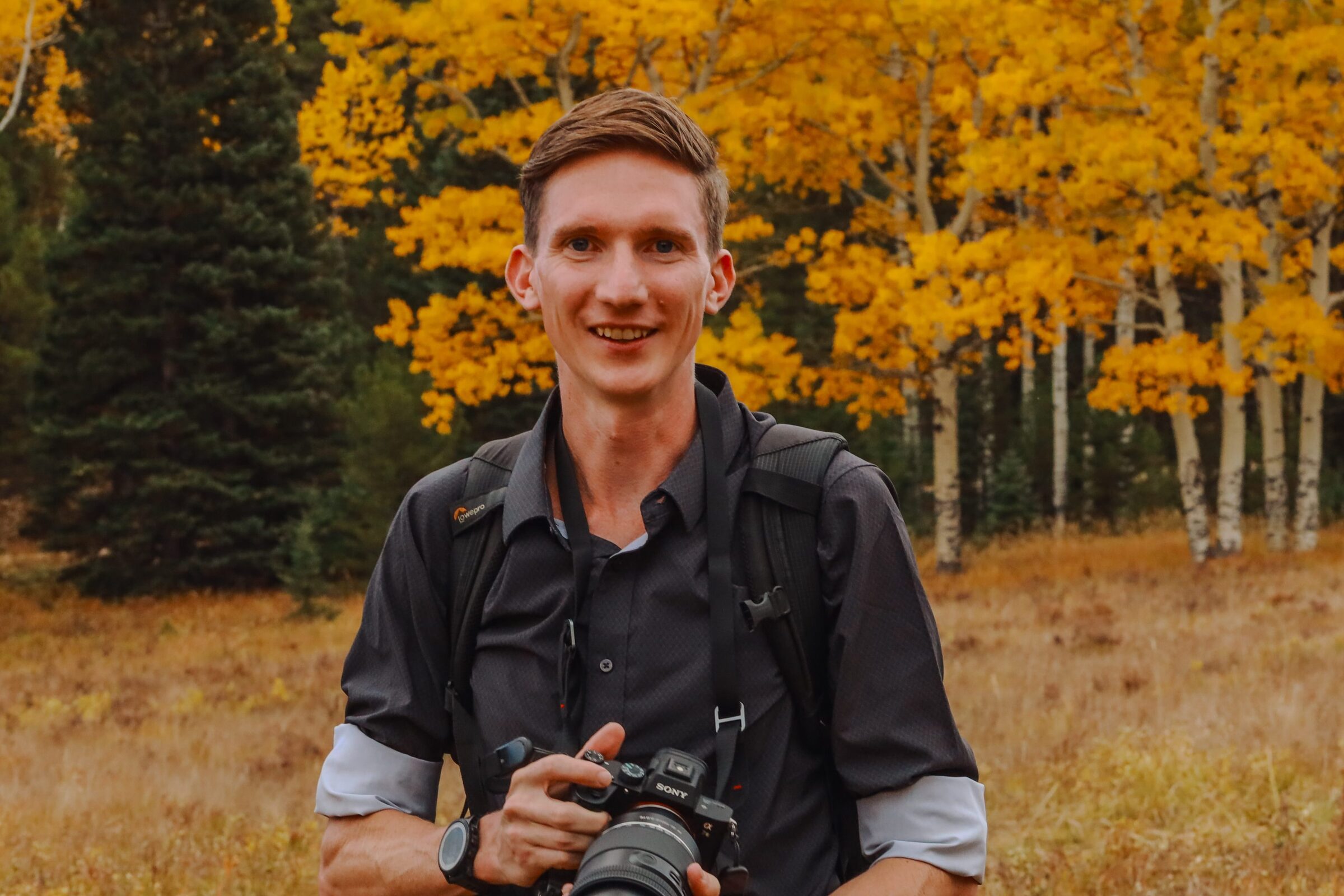 Brandon Krage is the owner and filmmaker behind
Motus Weddings, an adventure wedding photography and
videography studio based in Colorado. Together with his wife and co-owner Aby, he documents
couples on digital, 35mm film, Super 8mm, and 16mm cinema film, and travels nationally and
internationally for elopements in wild places. More about Brandon and Aby.
Brandon Krage is the owner and filmmaker behind
Motus Weddings, an adventure wedding photography and
videography studio based in Colorado. Together with his wife and co-owner Aby, he documents
couples on digital, 35mm film, Super 8mm, and 16mm cinema film, and travels nationally and
internationally for elopements in wild places. More about Brandon and Aby.