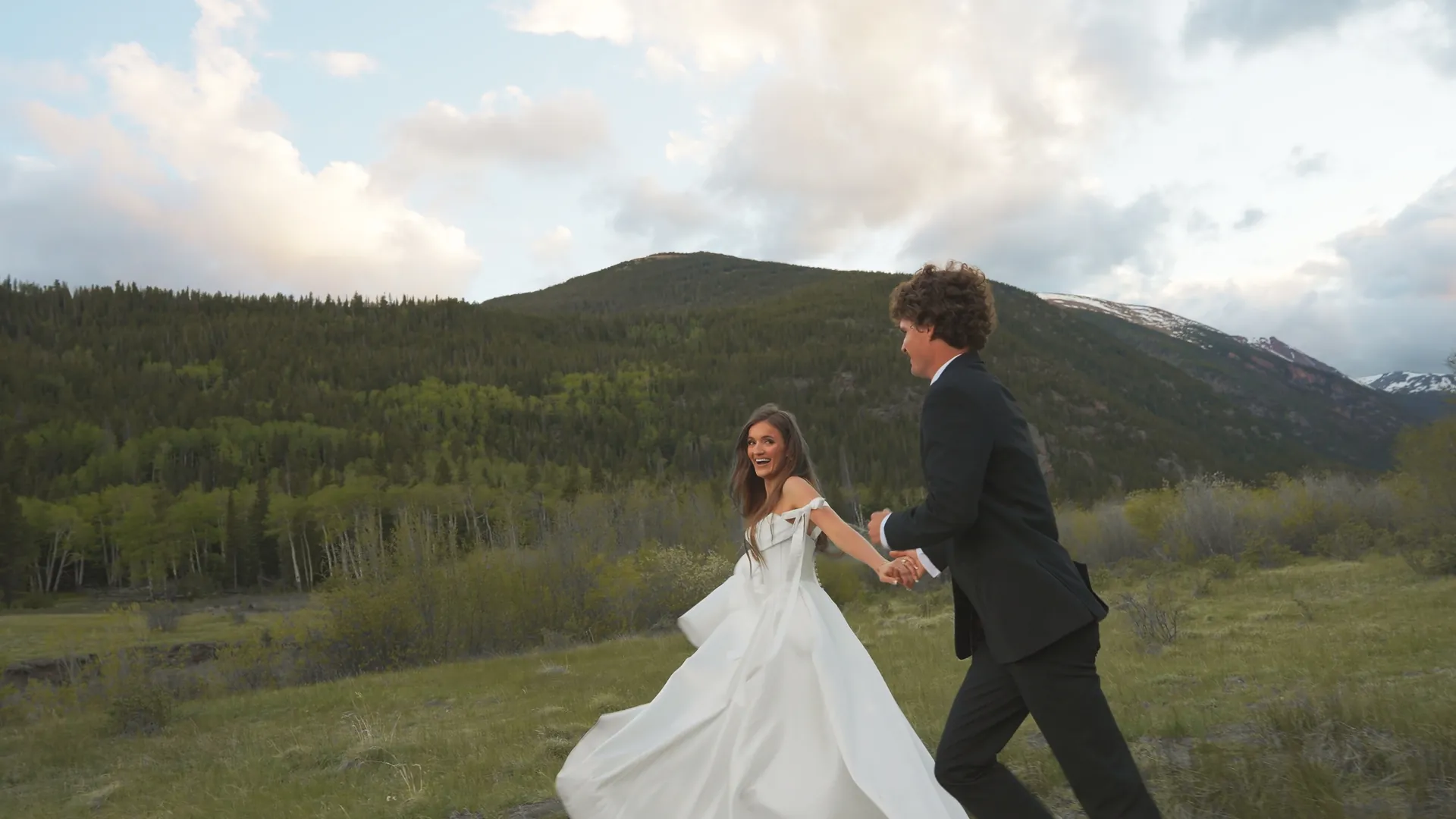
Telluride sits at the dead end of a box canyon, and that single fact shapes everything about getting married here. Sheer 13,000-foot walls rise on three sides, the historic mining town runs along the valley floor, and the light pours in from one direction and then vanishes behind a ridge. As a Telluride elopement photographer, that box canyon is the first thing you learn to plan around: golden hour is dramatic, directional, and short, and the difference between an ordinary frame and an unforgettable one is often a matter of standing in the right spot fifteen minutes before the sun clears the rim.
The San Juan Mountains are the most rugged range in Colorado, and Telluride is their crown jewel. You can reach genuine alpine elevation by free gondola, get married beside a 365-foot waterfall, or drive a dirt road into stands of aspen that turn pure gold in late September. This guide walks through the real locations, the permit rules that actually apply in town versus on national forest land, when to come, what the day costs, and how we approach filming and photographing a day in this kind of terrain. It is written for couples who want depth, not a highlight reel.
We have worked the San Juans for years, and Telluride keeps pulling us back. When you are ready to talk about documenting your day, you know where to find us.
Why Couples Are Choosing Telluride for Their Elopement
Plenty of Colorado towns sit beneath beautiful mountains. Telluride is different because the mountains are not a backdrop you drive toward; they are the walls of the room you are standing in. The box canyon wraps the town on three sides, which means a ceremony almost anywhere in or above the valley has serious vertical drama in the frame. That intimacy is hard to find at the wider, more open elopement spots in the northern part of the state.
The second draw is access. Most genuinely alpine ceremony locations in Colorado demand a real hike, sometimes thousands of feet of climbing in formal clothes. Telluride hands you a free gondola that lifts you to a ridge with 360-degree views in about fifteen minutes. That changes who can elope at elevation here. Couples who could never manage a strenuous trail can still stand on a mountaintop at sunrise. We will come back to the gondola because it genuinely is the single best logistical advantage Telluride has.
Finally, there is the character of the place. Telluride draws a design-conscious crowd, and the town reflects it: a walkable historic main street, restored Victorians, and a refined but unfussy mountain-town feel. A Telluride elopement can lean rugged and alpine or polished and architectural, sometimes in the same morning. That range is rare, and it is a big part of why couples keep choosing this corner of the San Juans over the more obvious Colorado names.
The Best Elopement Locations In and Around Telluride
Telluride packs an unusual amount of variety into a small area: a waterfall, an alpine ridge, dirt-road aspen groves, a high mountain lake, and a historic main street, all within a short drive or gondola ride of town. Each carries its own access reality and its own permit rule, so we have broken the standouts down individually. Read the access line on each one honestly before you fall in love with the photo.
Bridal Veil Falls
San Miguel County · Private Land
The most iconic waterfall in the region drops 365 feet at the head of the canyon, about fifteen minutes from town. It sits on private land reached through Telluride, and small ceremonies generally need no formal permit, which surprises couples used to national park red tape. The catch is the access: it is roughly a two-mile round trip on a rough shelf road, drivable only in a high-clearance vehicle when conditions allow, and walkable otherwise. Space at the falls is limited and the spray is real, so keep the group tiny and protect your gear and your dress. For couples who want the single most dramatic backdrop in Telluride, this is it.
Top of the Gondola & San Sophia Overlook
Telluride Ski Resort · Mountain Village
The free Gold Hill gondola line carries you from town up to the San Sophia ridge, where the views open to a full 360 degrees over Telluride and the surrounding peaks. There are two ways to use this. The free, low-key option is to ride up at sunrise, find a quiet spot along the ridge, and have a simple ceremony with the canyon below you. The premium option is the formal San Sophia Overlook, a dedicated ceremony venue run by Telluride Ski Resort that holds up to 250 guests and rents for roughly $5,000 to $10,000 depending on season and day, with chair setup and resort coordination included. Note that the formal overlook typically requires a buyout of one of the resort's reception venues, so budget accordingly. For accessible mountaintop elevation, nothing else here compares.
Last Dollar Road
Uncompahgre National Forest
The scenic dirt road that connects the Telluride area toward Ridgway runs through some of the best aspen stands in the state. In late September it is a tunnel of gold, with the high peaks framing the groves behind. It is national forest land, so a ceremony here can require a Forest Service permit through the Uncompahgre National Forest district; confirm the current requirement for your group size before planning around it. The road is unpaved and best in dry conditions, so a capable vehicle and a flexible mindset help. For couples whose whole vision is fall color and open mountain road, Last Dollar earns its reputation.
Alta Lakes
Uncompahgre National Forest
A cluster of alpine lakes above the ghost town of Alta, southwest of Telluride off Highway 145, Alta Lakes delivers still water, ringing peaks, and reflections you do not get at the busier spots. It sits on national forest land and can require a Forest Service permit, and the access road is rough enough to keep crowds thin. That solitude is the point: an early-morning ceremony here can feel genuinely private in a region where the famous spots rarely are. Bring layers, because the lakes hold cold air well after sunrise.
Bear Creek Trail
San Miguel County · Forest Service
For couples who do want to earn their view on foot, the Bear Creek Trail begins right at the south end of town and climbs toward a waterfall in a hanging valley. It is a moderate hike rather than a casual stroll, but it rewards you with a sense of having walked into the mountains under your own power, with the canyon walls closing in around you. Confirm any permit need for a ceremony on the relevant land, keep the group small, and start early to have the trail to yourselves.
Colorado Avenue, downtown Telluride
Town of Telluride
Not every couple wants alpine. Colorado Avenue, the historic main street, lined with Victorian storefronts and capped by the canyon walls at its east end, works beautifully for couples who want the town aesthetic with mountains rising right behind it. Keep in mind that the Town of Telluride restricts private functions on town streets and certain facilities, so a formal ceremony in a public right-of-way is not automatic. For most couples this works best as a portrait setting or a relaxed gathering point rather than the legal ceremony site itself. We will cover the town permit rules in detail below.
Picking between a waterfall, a ridge, and an aspen road is half the fun and half the logistics. For how we build an elopement day around light and access, see our elopement coverage and recent films and galleries.
When to Get Married in Telluride
Season shapes a Telluride elopement as much as location. The box canyon and the high elevation mean conditions swing hard between months, and the single most-requested window, fall color, arrives on a slightly different clock here than in the rest of Colorado. Here is how the year breaks down.
Late September: the fall color window
This is the headline. The San Juan Mountains turn gold a touch earlier than the northern Rockies, so the aspens around Last Dollar Road, Alta Lakes, and the canyon walls typically peak in the last week of September rather than early October. That timing surprises couples who assume Colorado fall color is a Columbus Day event. It also means demand concentrates into a narrow window, so lodging and vendors book early. If a gold-aspen ceremony is the dream, build the whole plan around that last week of September and have a few backup days, because peak color shifts a little every year with the weather.
Summer wildflowers
July brings the alpine meadows to life. The high basins around Telluride fill with wildflowers, the gondola runs daily, and the higher trails and roads have shed their snow. Summer afternoons carry a real risk of mountain thunderstorms, often rolling in after midday, so morning ceremonies are the smart default. The trade-off is crowds: Telluride is busy in summer, and the popular spots see steady foot traffic, which is one more reason to favor sunrise and the lesser-known corners.
Winter ski-in elopements
From December through March, the top of the gondola opens a different kind of day entirely. The San Sophia area is available in winter, and a snow-covered ridge ceremony has a stark, quiet beauty that the green months cannot match. Winter pricing at the formal overlook tends to run lower than peak summer. You trade wildflowers and gold aspens for snow, cold, and short days, but for the right couple a ski-in, snow-globe elopement is unforgettable. Plan for warmth you can shed for the photos and a tight timeline around the limited daylight.
Permits and Logistics in San Miguel County
Telluride's permit picture is genuinely different from a national park, and getting it right comes down to one question: whose land are you standing on? The rules split cleanly into three buckets, and most of the planning confusion we see comes from couples applying one bucket's rules to another. Sort your location into the right one and the rest gets simple.
Private land: often the simplest path
Bridal Veil Falls is the headline example. Because it sits on private land reached through town, a small ceremony there generally needs no town or federal permit at all. That is a real advantage over the permit-heavy national parks, and it is part of why the falls are so popular for elopements. The trade-off is access and space rather than paperwork, so the planning effort moves to logistics: the rough road, the limited footprint, and keeping the group small.
Town of Telluride: special event application
For ceremonies on town property, the Town of Telluride runs a special event process through its Parks and Recreation Department. Applications must be filed at least 45 days before the event, and the town requires proof of adequate general liability insurance for any use of town property. Just as important: the town does not allow private functions like weddings at certain facilities, including the Town Park Stage and Catering Facility, the pocket parks, and town streets. So a formal ceremony in a public right-of-way on Colorado Avenue is not a given. If the town aesthetic is your goal, contact Parks and Recreation early to confirm what is actually permitted for your date and group, and treat the 45-day window as a hard floor, not a target.
National forest land: Forest Service permit
Last Dollar Road, Alta Lakes, and much of the high country around Telluride sit within the Uncompahgre National Forest. Ceremonies on Forest Service land can require their own special use permit through the local ranger district, with the threshold often tied to group size. Rules and fees change, so confirm the current requirement for your exact spot and headcount before you plan around it.
The marriage license is a separate thing entirely
None of those permits marry you. Your marriage license comes from the San Miguel County Clerk in Telluride, and Colorado makes this part refreshingly easy. The license is $30, payable by cash or check, with no waiting period. Both of you must appear to apply and sign, but Colorado requires no witnesses and allows self-solemnization, meaning the two of you can legally marry yourselves without an officiant. Once issued, use the license within 35 days and return it within 63 days after the ceremony. For couples who want the legal part to be as quiet and simple as the setting, that combination is hard to beat.
Get Help With Your Permit or email love@motusweddings.com
Where to Stay (and What to Splurge On)
Where you sleep in Telluride is really a question of which version of the town you want to wake up in, and it directly affects your ceremony morning. The two clear options pull in different directions, and both are worth considering against your locations.
If your ceremony is at the top of the gondola or anywhere in Mountain Village, The Peaks Resort in Mountain Village is the closest base to the ceremony locations and the gondola. Staying up top means a short, low-stress walk or ride to a sunrise ridge ceremony instead of a pre-dawn drive up from the valley. For a gondola or San Sophia day, that proximity is worth paying for, especially when daylight is tight in fall and winter.
If you are after the town aesthetic, book one of the downtown Victorian B&Bs. Waking up on a historic block, walking out onto Colorado Avenue, and getting ready with the canyon walls out your window gives the day a completely different texture. It also puts you minutes from the Bridal Veil Falls road and the Bear Creek trailhead. The thing worth splurging on is not the room itself so much as proximity to your specific ceremony spot, because in a box canyon, saved drive time is saved daylight. Whatever you choose, book early: Telluride lodging fills first for the late-September fall window and again for ski season.
What a Telluride Elopement Day Looks Like
A Telluride elopement day is built around light, and in a box canyon that means it is built around timing. The sun has to clear a high ridge before it reaches the valley floor, and it disappears behind the opposite wall well before a normal sunset. Golden hour here is dramatic and directional, but it is short, so the whole day gets shaped to catch it.
A common rhythm starts before dawn. You ride the free gondola up while the valley is still in shadow, reach the ridge as the first light hits the high peaks, and hold the ceremony in that quiet, cold, golden window with the town far below. From there the day can come back down into the valley for portraits on Colorado Avenue or a relaxed breakfast, then push out to a second location, Bridal Veil Falls or an aspen road, for the late-afternoon light before it drops behind the rim.
That structure is why local knowledge matters so much here. Knowing exactly when the sun clears the ridge at your ceremony spot, where the shadow line falls in October versus July, and how long you really have before the canyon goes flat is the difference between a relaxed timeline and a scramble. It is the kind of thing you only learn by working a place across seasons, and it is the first thing we plan when we build a day in this canyon.
"Telluride rewards couples who are willing to go vertical. The gondola is free and the views from Mountain Village at sunrise are unlike anything you'll find at the same elevation elsewhere in Colorado."
The other constant is layers. Mornings on the ridge and at the high lakes stay cold long after sunrise, and weather in the San Juans turns fast. We plan for the couple to be warm right up until the camera is ready, and we keep a flexible second location in our pocket in case wind, smoke, or an afternoon storm reshapes the plan. None of that shows up in the photos, which is exactly the point.
Why Film Photography Suits the San Juans
The San Juans were practically built for film. The directional canyon light, the deep gold of late-September aspen, the cold blue of an alpine morning: these are the exact tones that film stock renders better than anything else. Where digital can flatten a high-contrast mountain scene, film holds the highlights on a sunlit peak and the shadow in the canyon below in a way that feels true to standing there.
This is the heart of how we work. Alongside digital coverage, we film on real motion-picture stock, and the grain and color of Super 8mm wedding film suit Telluride's terrain especially well. There is something about the slight motion of Super 8 against a still alpine lake, or the warm haze it gives golden aspens, that matches the feeling of the place better than a clinically sharp clip ever could. For couples drawn to a more cinematic, textured record of the day, the format and the landscape reinforce each other.
If you are weighing formats, our breakdown of 16mm and Super 8mm wedding film walks through what each one does on a wedding day. In a place this photogenic, the question is rarely whether film belongs; it is which film, and how much.
Working With a Local Telluride Elopement Photographer
Everything in this guide points to the same conclusion: the box canyon, the short directional light, the three different permit systems, the narrow fall-color window. Telluride rewards experience, and it punishes guesswork. A photographer who has worked the San Juans across seasons knows which ridge catches first light, which aspen stands peak first, which road needs a high-clearance vehicle, and which permit office to call for which location. That knowledge is not a luxury here; it is what keeps your timeline from collapsing.
We are an adventure wedding photography and videography studio based in Colorado, and the San Juans are one of our favorite places to work. We bring digital and real film coverage, we help untangle the permit question for your exact location, and we plan the day around the light so you are not the ones watching the ridge line and doing the math. You get to be present; we handle the logistics. See how we approach days like this on our elopements page, and when you are ready, tell us your Telluride vision.
Telluride is one chapter of a much bigger state. For the wider picture, including licenses, seasons, and locations across Colorado, read our complete Colorado elopement guide and browse our recent work.
Your Telluride Elopement Questions, Answered
Do you need a permit to elope in Telluride?
It depends on where you stand. A small ceremony on private land like Bridal Veil Falls needs no town permit. The Town of Telluride requires a special event application, filed at least 45 days out with proof of liability insurance, for ceremonies on town property. National forest spots like Alta Lakes can require a Forest Service permit. Always confirm the rule for your exact location.
How much does a Telluride elopement cost?
It varies widely by location. A free, gondola-accessed spot or a Forest Service permit can keep ceremony costs near zero. The premium San Sophia Overlook through Telluride Ski Resort runs roughly $5,000 to $10,000 and requires a reception venue buyout. Add a San Miguel County marriage license at $30, lodging, and your photographer and film team.
When is the best time to elope in Telluride?
Late September is the standout for fall color. The San Juan Mountains turn gold slightly earlier than the northern Rockies, so the aspens around Last Dollar Road and Alta Lakes peak in the last week of September most years. July brings wildflowers, and December through March opens ski-in winter ceremonies at the top of the gondola.
Is the Telluride gondola free?
Yes. The Gold Hill gondola line between Telluride and Mountain Village is free and open to the public, typically from early morning until midnight in season. It is the single best way to reach mountain elevation and the San Sophia ridge without a strenuous hike, which makes sunrise and sunset ceremonies up top genuinely accessible.
Can you get married at Bridal Veil Falls in Telluride?
Yes. Bridal Veil Falls is on private land reached through town, and small ceremonies generally need no permit. It is about a two-mile round trip on a rough road, drivable only in a high-clearance vehicle when conditions allow. The 365-foot falls make a dramatic backdrop, but plan for the rough access and limited space.
Do you need a witness to get married in San Miguel County?
No. Colorado does not require witnesses, and the state allows self-solemnization, so the two of you can legally marry yourselves. Get the license in person at the San Miguel County Clerk in Telluride for $30, cash or check. There is no waiting period, but you must use it within 35 days and return it within 63 days.
Telluride asks a little more of you than the easy, open elopement spots: a box canyon to plan around, light that arrives and leaves on its own schedule, and three different land managers to sort out depending on where you stand. Give it that respect, lean into the free gondola and the late-September gold, and it gives back something most places cannot. The walls close in, the light pours down the canyon, and for a few minutes the whole San Juan range feels like it is standing witness.
If this corner of Colorado is calling you, start with your location and the permit office that governs it, and start early, because the fall window and the ski season fill first. And if you want the day filmed and photographed by people who treat the canyon's light, the permits, and the trailheads as part of the job, that is exactly the work we love most. Tell us your Telluride vision and we will tell you honestly what it takes to make it happen.
About the Author
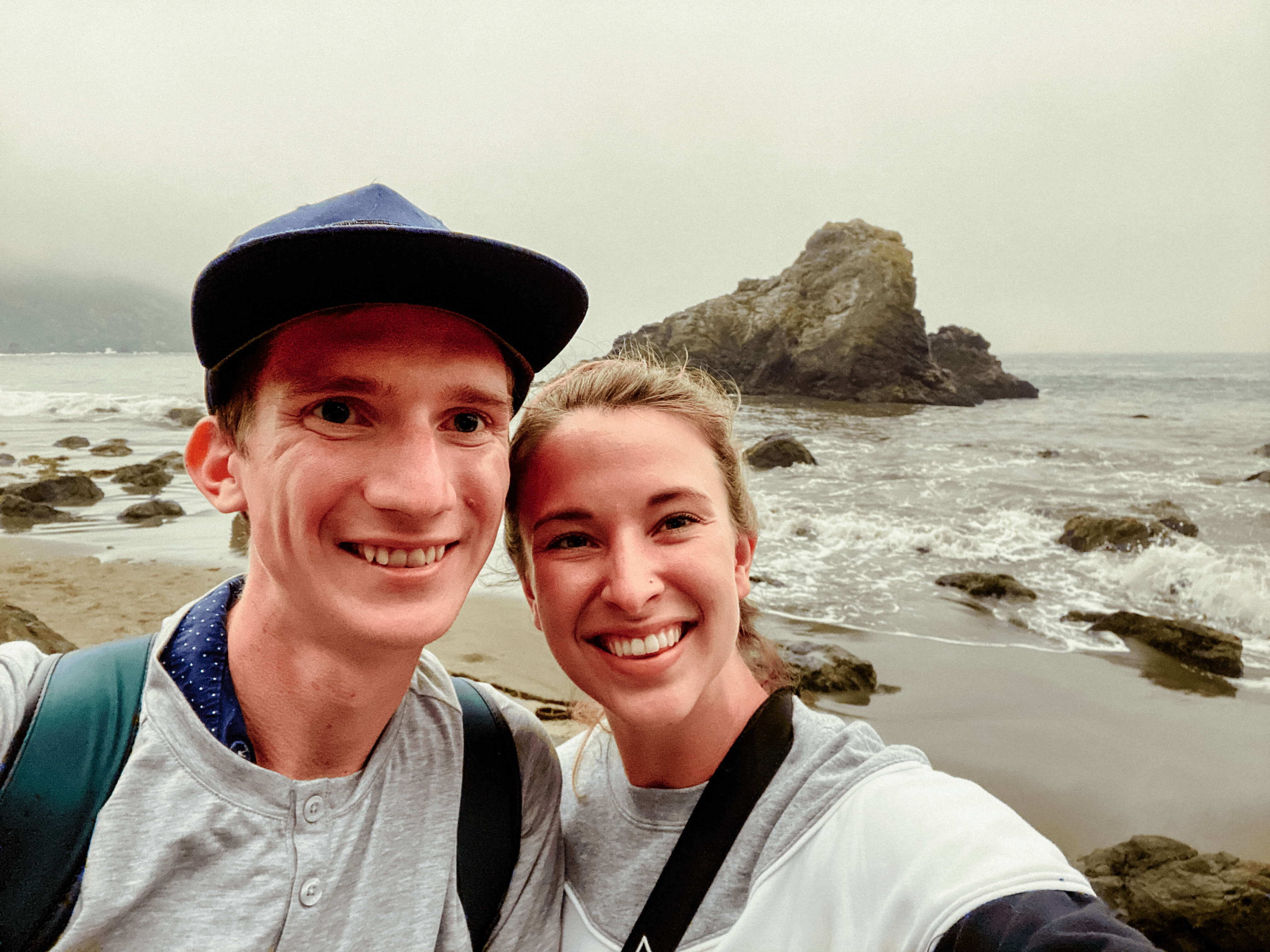 Brandon Krage is the owner and filmmaker behind Motus Weddings, an adventure wedding photography and videography studio based in Colorado. Together with his wife and co-owner Aby, who photographs and seconds on film, he has spent more than six years and 150+ weddings and elopements documenting couples on digital, 35mm film, Super 8mm, and 16mm cinema film. The San Juan Mountains are one of their favorite places to work: they have spent years learning Telluride's box-canyon light, the free gondola windows, and the late-September aspen peak. More about Brandon and Aby.