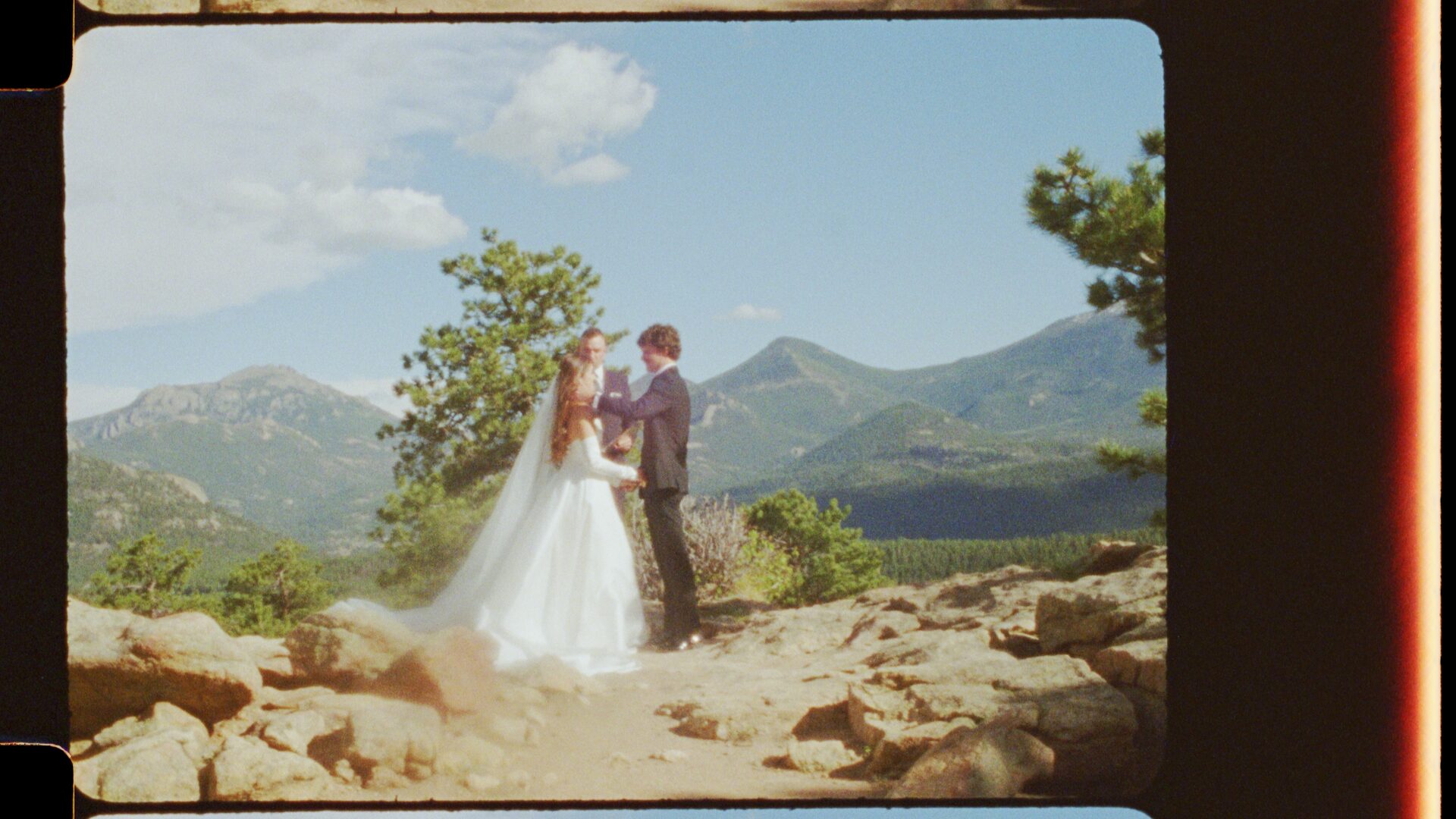
You have thought about both. You have pictured the elopement vs wedding version of your day so many times that the two have started to blur, and you still cannot quite commit to either. One night a quiet morning on a ridge with just the two of you feels like the only thing that makes sense. The next morning you imagine your grandmother in the third row, your college friends on the dance floor, and the whole room going quiet when you walk in, and that feels like the point of getting married at all.
If that is where you are, you are not indecisive. You are paying attention. These are genuinely two different days, and the right one for you depends on who you are, not on which one is trending. I photograph and film both, so this is not a pitch for one over the other. It is the honest version of the conversation I have with couples who sit across from me trying to figure out the same thing.
I have stood behind the camera at traditional weddings as an associate photographer for other studios, with the toasts and the band and the late-night exit. I have also spent year after year filming adventure elopements in the mountains, where the only sound at the vows is wind. And in 2021 my wife Aby and I made our own version of this exact choice. We will get to that. First, let's clear up what the word even means now.
What "Elopement" Means in 2026 (Hint: Not What It Used to Mean)
Forget the old picture. An elopement used to mean a secret, a courthouse, two people slipping away because someone disapproved. That is not what couples mean by it anymore. Today an elopement is a small, intentional wedding day built around the two of you and a place that matters, rather than around a guest list and a reception hall. There is nothing secret about it. Most couples who elope tell everyone, send the film and photos far and wide, and frame it as the most personal day of their lives.
Here is the thing I want you to hear early, because it reframes the whole comparison: in my experience, couples who choose elopements are almost never running away from a wedding. They are running toward something specific. A place. An experience. A feeling they know they cannot get standing under a banquet-hall chandelier. The mountain at sunrise, the desert they hiked on their first trip together, the coast where one of them grew up. The elopement is the container that lets them get married inside that thing instead of next to a photo of it.
So when you weigh elopement vs wedding, you are not really weighing small against big, or low cost against high cost. You are deciding whether your day is built around an experience or around a gathering. Both are real and good. They are just aimed at different targets. If you want to see how we approach the experience version, our adventure elopements page shows what these days actually look like.
What an Adventure Elopement Actually Looks Like
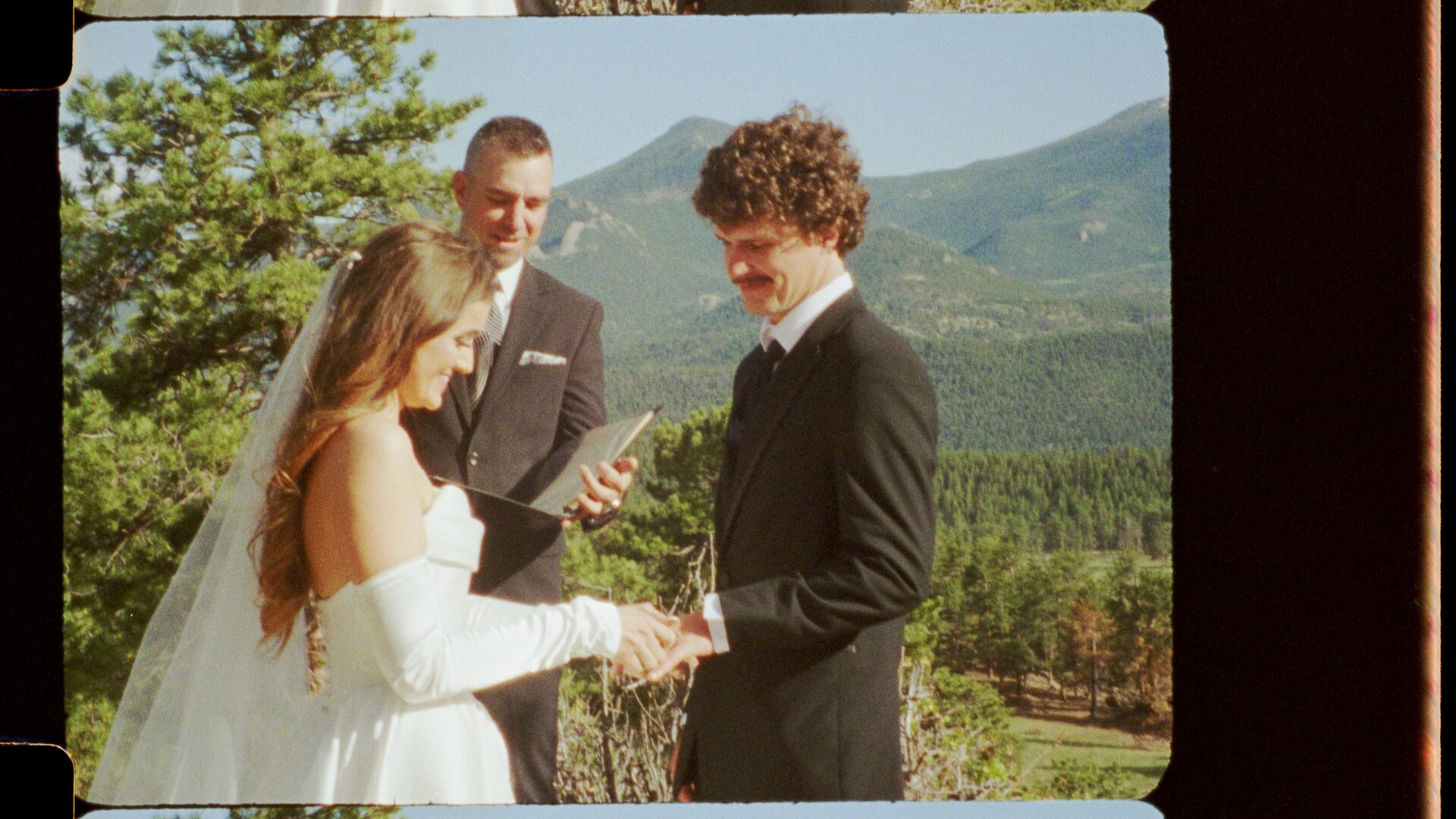
An adventure elopement day is slow on purpose. There is no timeline pinned to a venue's checkout time, no shuttle to catch, no seating chart to enforce. A typical day might start before dawn with coffee and a short drive to a trailhead. You hike in, sometimes ten minutes, sometimes two hours, to a spot you scouted or one we found together. You read your vows with no one watching except each other and, often, a single officiant. Then you spend the rest of the morning wandering, taking photos, sitting on a rock with your person, letting the day belong entirely to you.
Guest counts run from zero to around twenty. Plenty of couples elope with literally no one but their photographer, filmmaker, and officiant. Others bring parents, a sibling, a best friend. The setting does the decorating, so there are no flowers to order in bulk, no rentals, no centerpieces. What you spend goes toward the experience and the documentation of it, which is why photo and video matter so much here: when the gathering is small, the film and photos are how you bring the day back to everyone who was not there, and how you relive it for the rest of your lives.
One honest warning from years of doing this: couples consistently underestimate the physical side. Altitude, weather that turns in twenty minutes, a dress that has to survive a trail, footwear that has to do double duty. None of that is a reason not to elope. It is a reason to plan it with someone who knows the terrain. For Colorado specifically, our guide to eloping in Colorado walks through permits, seasons, and the logistics couples miss.
What a Traditional Wedding Actually Looks Like
A traditional wedding is a gathering with you at the center. The shape is familiar because it works: a venue, a guest list, a ceremony, a reception, a timeline that moves the day from arrival to last dance. The whole point is the room full of people who love you, witnessing the moment and then celebrating it together. When couples tell me the day is about their community as much as their marriage, a wedding is almost always the right call, and I will tell them so.
The average US wedding in 2025 cost around $33,000, and it is worth understanding where that number comes from, because it is not the ceremony. It is the people. Catering, bar, venue, rentals, florals at scale, the larger photo and video team for a longer day. Almost every line item scales with guest count. A hundred guests is a fundamentally different budget than fifteen, not because anyone is overcharging, but because you are hosting a hundred people for an evening. That is the trade: you are buying a shared celebration, and shared celebrations have real overhead.
There is one quiet cost that never shows up on a spreadsheet, and it is the regret I hear most from couples after a full traditional wedding. They look at me weeks later and say almost the same sentence every time. They tell me the day flew by, that they barely tasted the food, that they spent it being passed from conversation to conversation. The single most common thing I hear is, "we didn't get a single moment to ourselves all day." It is fixable. Build in a private fifteen minutes after the ceremony, a first look, a sunset walk away from the crowd. But you have to plan for it, because the day will not hand it to you.
"The couples who regret their wedding almost never regret the people. They regret not protecting a little piece of the day for just the two of them. Build that in on purpose, whichever path you choose."
Elopement vs Wedding at a Glance
Here is the honest side-by-side. Neither column is the winner. Read down the rows and notice which side your gut keeps nodding along to, because that pattern tells you more than any single line does. The micro-wedding, which we cover further down, borrows the best of both columns.
| Factor | Adventure Elopement | Traditional Wedding |
|---|---|---|
| Typical cost | $5,000–$12,000 in Colorado, photo and video included | ~$33,000 average US wedding in 2025 |
| Guest count | 0 to about 20 | 50 to 200+ |
| Planning timeline | Can come together in 3–6 months | Usually 12–18 months |
| Flexibility | High. Move the date for weather, change the spot day-of | Low. Vendors and venue lock the date and timeline early |
| Intimacy | Very high. The day belongs to the two of you | Variable. Easy to feel pulled in every direction |
| Venue options | Mountains, desert, coast, forest, almost anywhere with a permit | Banquet halls, barns, estates, hotels, dedicated venues |
| The setting | The landscape is the decor | You build the look from rentals and florals |
| Your people | Few or none present; include them after the fact | Everyone you love in one room |
| Physical demand | Hiking, altitude, weather; plan for it | Low. Climate-controlled and accessible |
| Most common regret | "We wish we'd told more people so they could watch" | "We didn't get a moment to ourselves all day" |
The 8 Questions to Ask Yourselves
Forget the pros and cons lists for a minute. The decision gets clear fast when you answer these eight questions out loud, together, without editing your first instinct. Notice which way each answer leans. By the end you will see a pattern, and the pattern is your answer.
1. Do you want guests, and how many?
Picture the moment right after you say "I do." Look around in your mind. Who is there? If the honest answer is "just us" or "three or four people," you are leaning elopement. If it is a room going quiet then erupting, you are leaning wedding. This single question decides more than any other, because nearly everything else, cost, venue, timeline, follows from guest count. Do not answer with who you think you should invite. Answer with who you actually want standing there.
2. What does your dream landscape look like?
Close your eyes and picture the backdrop behind your vows. If you see a specific place, a ridgeline, a stretch of coast, a stand of aspens, more vividly than you see a room of people, that is meaningful. Couples who elope almost always have a place pulling at them. If the picture in your head is a beautiful room full of faces rather than a landscape, that is its own clear answer, and a wedding will serve it better.
3. How important is the day versus the marriage?
Both matter, so this is not a trick. But couples weight them differently. Some want a single unforgettable celebration that the whole community remembers for years. Others care far more about the quiet years after and want the day itself to be small and personal. Neither is more mature or more romantic. Knowing your honest weighting tells you how much time, money, and energy you actually want to pour into one date on the calendar.
4. What does your family expect?
This one is uncomfortable, so be honest. How much is your picture of the day shaped by what your parents assume will happen? There is no wrong answer. Some couples genuinely want the big family wedding and that is wonderful. Others realize they have been planning a day for everyone but themselves. Decide together first, just the two of you, before a single relative weighs in. We will cover how to handle the conversation below.
5. What's your honest budget?
Real numbers, not vibes. The average US wedding ran about $33,000 in 2025. A full Colorado adventure elopement with photography and video typically lands between $5,000 and $12,000. The difference is not about quality, it is about scale: a wedding budget is mostly the cost of hosting people. Ask yourselves where you would genuinely rather put the money. A once-in-a-lifetime party, a down payment, a long trip, a smaller day with more saved. There is no virtuous answer, only an honest one.
6. Do you want to plan for a year, or six months?
A traditional wedding rewards a long runway. Booking a venue, securing vendors, and managing a guest list comfortably takes twelve to eighteen months. An adventure elopement can come together in a single season, sometimes faster, because there are far fewer moving parts. If a long engagement with a detailed planning process sounds like part of the fun, that points one way. If it sounds like a year of stress you would rather skip, that points the other.
7. How important are photos and video to you?
This matters more than couples expect, and it cuts in a specific direction. The smaller your gathering, the larger the role your photography and film play in how you remember the day, and in how everyone who was not there experiences it. At a 150-person wedding, the photos are one part of a day full of witnesses. At a two-person elopement on a ridge, the film and photos are essentially the whole record. If documentation matters deeply to you, an elopement actually raises the stakes on getting it right.
8. What memory do you want most?
Finish this sentence without overthinking it: "When I look back in thirty years, I want to remember ______." Some people fill that blank with a packed dance floor and their whole world in one room. Others fill it with wind, silence, and their person's face with no one else around. Whatever your gut puts in that blank is your answer, and it is almost always clearer and more honest than any budget spreadsheet or pros and cons list could ever be.
Hybrid Options: Elope and Then Celebrate
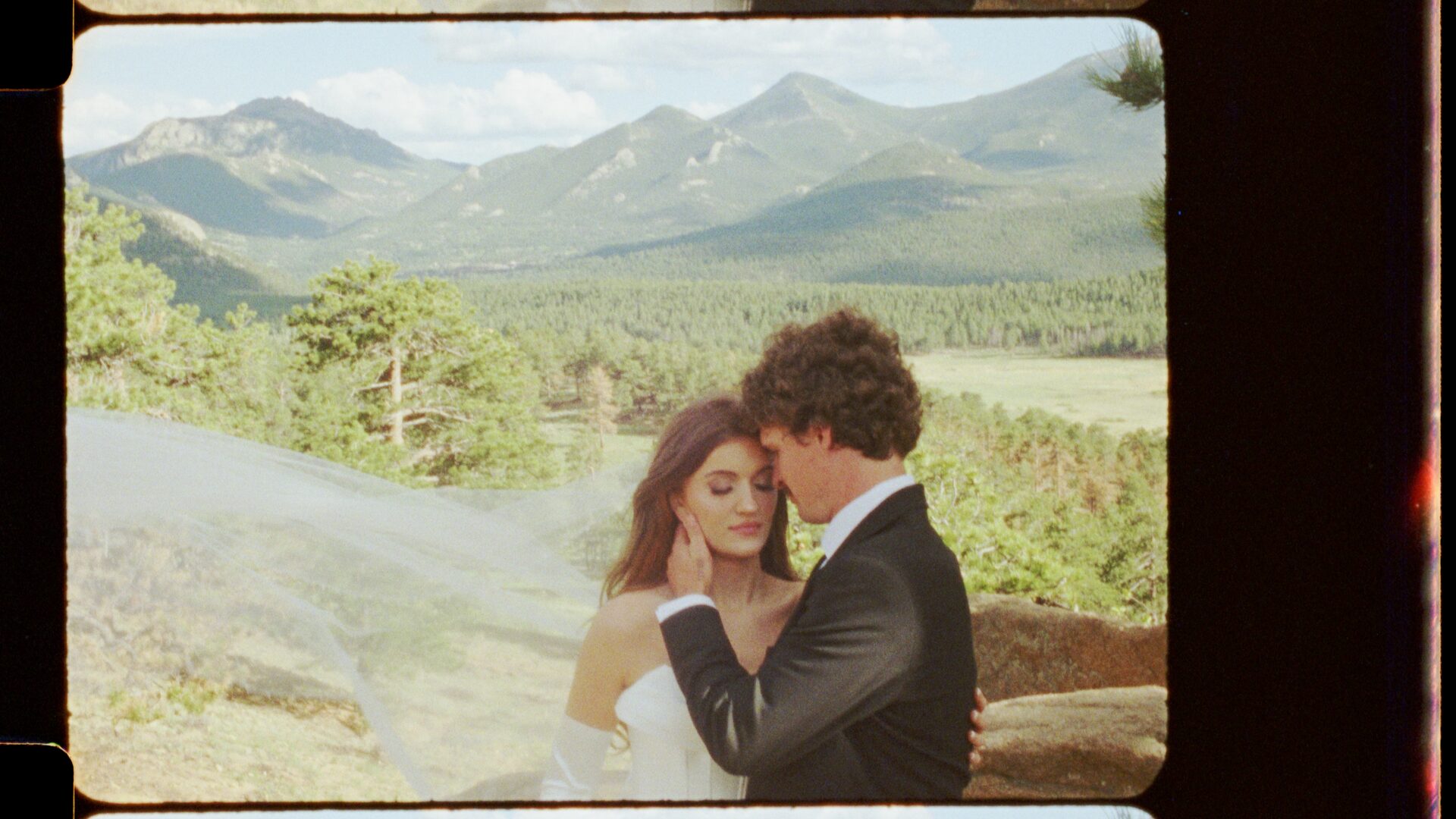
Here is the part most comparison articles skip: you do not have to choose one of the two extremes. Some of the happiest couples I have worked with built a hybrid, and it solved the regret on both sides at once. If you keep getting pulled between the intimacy of an elopement and the presence of your people, a middle path may be exactly what you are looking for.
The micro-wedding. Ten to twenty people at a mountain venue or overlook. You keep the wild setting and the slow, personal pace of an elopement, and you still have your closest people physically there to witness it. For couples who genuinely want their family present but cannot imagine a two-hundred-person reception, this is often the honest best of both worlds. It is not a compromise so much as its own deliberate choice.
Elope first, celebrate later. Marry just the two of you in the place that matters, then gather everyone weeks or months later for a relaxed party with no ceremony pressure and no schedule. You get the private vows and the wild morning, and your people still get a night to celebrate you. This also directly answers the number one elopement regret, which I hear constantly: couples wishing they had told more people so they could watch from wherever they were. Live stream the ceremony, share the film widely, or host that dinner afterward, and almost no one feels left out.
This is exactly the conversation we love having. See real days on our recent work, or read how we approach adventure elopements and micro-weddings before you decide anything.
How to Tell Your Family You're Eloping
If you land on an elopement, the family conversation is usually the part couples dread most, and it is where the real "elopement guilt" lives. So let me be practical. Most of the hurt families feel does not come from the elopement itself. It comes from feeling excluded from a decision and from a day they assumed they would share. You can prevent almost all of it with how you tell them.
First, decide together and tell them in person or by phone, never by text and never as a question. You are not asking permission, you are sharing a decision you made as a couple. Framing it as "we've decided" rather than "would it be okay if" changes the whole conversation. Second, lead with what they will still be part of. Do not open with the absence. Open with the invitation: the live stream, the dinner when you are home, the role you want them to play in a later gathering. Give them a yes to hold onto.
Third, give the strong reactions room to breathe. A parent who pictured walking you down an aisle may need a minute to grieve a version of the day they had in their head for twenty years. That is not them rejecting your choice, it is them catching up to it. Stay warm, stay firm, and keep pointing back to how they are included. In my experience, the families who struggle at first almost always come around once they see the photos and feel how genuinely happy you are. The day speaks for itself.
The Couples Who Most Often Choose Adventure Elopements
After years of this, patterns emerge. Adventure elopements tend to draw couples who already build their lives around the outdoors, who would rather spend a Saturday on a trail than at a party, and whose first trip together or favorite memory happened somewhere wild. They tend to value experiences over things, privacy over spectacle, and the marriage over the production around it. Many of them have quietly dreaded the idea of a big traditional wedding for years and only recently learned there was another option that felt like them.
They are not anti-people, and this is the misconception I most want to correct. The couple who elopes is usually not avoiding their loved ones. They have simply realized that the day they want is one they can only have with a small footprint in a big landscape, and they have found ways to fold their people in around the edges. When Aby and I made our own version of this choice in 2021, we did exactly that. We married in the mountains with only immediate family present, a tiny ceremony, the kind of day where you can hear the wind. It was not a rejection of everyone else. It was the most us a day could possibly be, and five years in, neither of us has wished it bigger.
So if you read that and felt something settle, you may already have your answer. And if you read it and felt a tug toward the room full of people instead, you have your answer too. Both are right. The only wrong move is building someone else's day. When you are ready to talk through yours, whichever shape it takes, we would love to hear about it.
Your Elopement vs Wedding Questions, Answered
Is an elopement cheaper than a wedding?
Usually, yes. The average US wedding in 2025 ran about $33,000, while a full Colorado adventure elopement with photography and video typically lands between $5,000 and $12,000. The savings come from cutting the guest count, since most of a wedding budget scales with how many people you feed, seat, and pour drinks for, not from the ceremony itself.
How do I know if I should elope or have a wedding?
Ask whether the day is mostly for the two of you or mostly for the people you love. If a quiet morning in a wild place sounds like relief, you lean elopement. If hugging a room full of people sounds like the point, you lean wedding. Most couples are not fully one or the other, which is why hybrid options like a small ceremony plus a celebration dinner exist.
Do people regret eloping?
Most couples who elope do not regret the choice, but the one regret I hear most is wishing they had told more people so loved ones could watch from afar. The fix is simple: live stream the ceremony, share the film afterward, or host a casual dinner once you are home so the people who matter still feel part of it.
Can you elope and still have guests?
Yes. A micro-wedding of roughly 10 to 20 people at a mountain venue or overlook is a real and popular middle path. You keep the wild setting and the intimacy of an elopement while still having your closest people present. Many couples also elope first, just the two of them, and gather everyone later for a relaxed party with no schedule.
What is the difference between an elopement and a small wedding?
An elopement centers the day on the couple and the experience, often with no guests or a handful, in a location chosen for its setting. A small wedding still follows a wedding-day shape, a venue, a guest list, a timeline, and vendors, just at a reduced scale. The line blurs at the micro-wedding, which borrows the setting of an elopement and the guest list of a small wedding.
How do I tell my family I'm eloping?
Tell them in person or by call, frame it as a decision you have made together rather than a question, and lead with what they will still get to be part of. Offer a clear way to include them, whether that is a live stream, a dinner afterward, or a role in a later gathering. Most hurt comes from feeling excluded, not from the elopement itself.
The whole elopement vs wedding question is really one question wearing a disguise: is this day built around an experience or around a gathering? There is no universally right answer, only the one that is right for the two of you. The couples who look back happiest are the ones who chose on purpose, who built their own day instead of inheriting a default. Whether that means a ridge at sunrise, a room full of everyone you love, or a micro-wedding that splits the difference, the version that sounds like relief rather than obligation is almost always the one to trust.
If you are leaning toward the mountains, our Colorado elopement guide covers permits and seasons, and the national park elopement guide breaks down every park. Curious how we document these days on film? Start with our elopements page.
About the Author
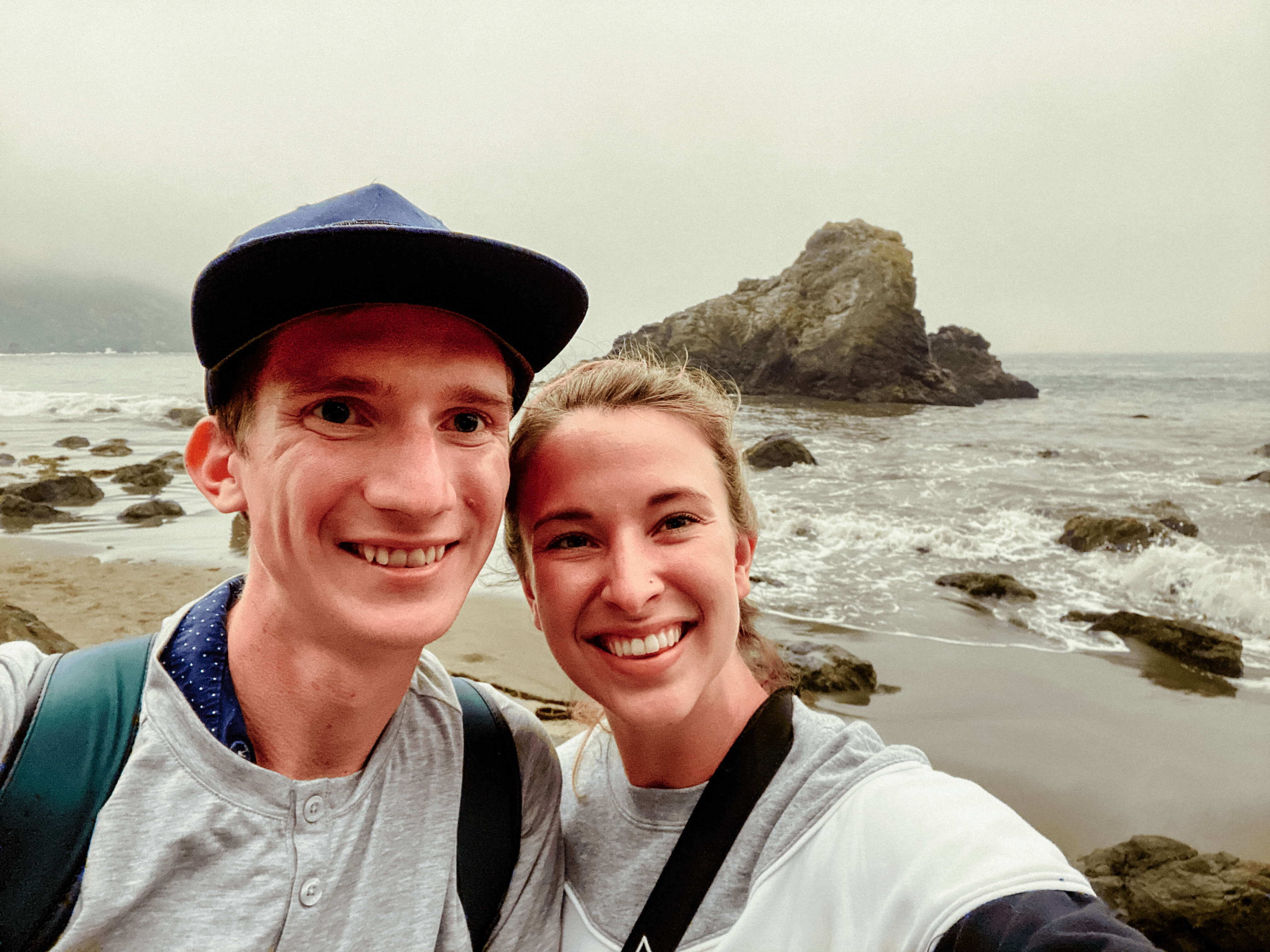 Brandon Krage is the owner and filmmaker behind Motus Weddings, an adventure wedding photography and videography studio based in Colorado. He has photographed and filmed both traditional weddings, as an associate photographer for other studios, and adventure elopements across the Colorado high country, on digital, 35mm film, Super 8mm, and 16mm cinema film. Together with his wife and co-owner Aby, he has spent more than six years and 150+ weddings and elopements documenting couples. Brandon and Aby married in the mountains in 2021 with only immediate family present, so the choice in this guide is one they made themselves. More about Brandon and Aby.