You want a wedding that honors God, and you're still working out what that looks like for the two of you, whether that's a packed church, a few family members in a small chapel, or just you and your pastor on a mountain. This Christian wedding and elopement guide walks through every one of those, what Scripture actually asks of you, and the order to plan things in.
We're Brandon and Aby, a husband-and-wife photo and video team. We're one of the few who come along on elopements, and sometimes it's just the two of us and the two of you out there. We've documented big weddings and tiny mountain ceremonies, and the days where a couple keeps God at the center stay with us, whatever size the day is.
This page is the starting point. Each section gives you the short version and points you to a deeper guide when you want it.
What Makes a Wedding Christian
Scripture describes the marriage itself and leaves the venue, guest count and ceremony format to you. It starts in Genesis:
"That is why a man leaves his father and mother and is united to his wife, and they become one flesh."
Genesis 2:24 (NIV)
Jesus quoted that verse when He was asked about divorce, and added, "Therefore what God has joined together, let no one separate" (Matthew 19:6). In Malachi 2:14, the LORD is the witness between a husband and "the wife of your marriage covenant." A covenant is a binding promise made before God, and it sits at the heart of a Christian wedding.
So a Christian wedding is one where two people make that covenant before God, honestly and in the open, and build their marriage on Him. A psalm many couples hold onto:
"Unless the LORD builds the house, the builders labor in vain."
Psalm 127:1 (NIV)
Everything else, from the aisle to the guest list, is how you choose to celebrate that covenant. Churches do differ on the details. The Catholic Church normally requires a priest or deacon and two witnesses, and the Orthodox Church requires a priest, while most Protestant churches leave more room. Our guide Is Eloping a Sin? What the Bible Says About a Christian Elopement goes deep on all of it.
Big Wedding, Small Wedding or Eloping
Each of these can honor God. Here's how they compare:
| Path | Who's there | A good fit if |
|---|---|---|
| Church wedding | Your church family, friends and relatives | You want your whole community there and a full celebration |
| Small church wedding, then an adventure session | Close family and your pastor or priest | You want the church and the traditions, without the big production |
| Your pastor on the mountain | The two of you, your pastor, maybe a witness or two | You want an officiant and a blessing, somewhere wild |
| Elope, then a reception at home | Just the two of you, or a few people | You want a quiet ceremony and a full party on a separate day |
Some places, Colorado included, also let couples marry themselves with no officiant, and some Protestant couples choose that. If you're Catholic or Orthodox, your church will ask for the ceremony to be in a church, so the small church wedding is usually the closest fit.
One worry about small weddings comes up again and again: that your community misses the celebration. Jesus did His first miracle at a wedding feast in Cana (John 2:1-11), and the feast still matters. A reception on its own day, with your wedding video playing so everyone sees the vows, gives your people the celebration. Our Christian elopement guide walks through each path in more detail.
The Order to Plan In
Whatever size your day is, planning goes smoother in roughly this order.
1. Pray, and talk it through together
Before venues and dates, talk about what you want your wedding to be about. Pray about it together. A lot of decisions get easier once the two of you agree on the why.
2. Talk to your pastor early
Bring your pastor in before you lock anything. Many pastors require or strongly encourage premarital counseling before they'll officiate, and some churches build it into their rules. The Episcopal Church, for example, requires that both of you be instructed in the meaning of marriage, either by the clergy member or by someone they trust to do it, and United Methodist pastors marry couples "after due counsel." Many counselors use assessments like Prepare/Enrich or SYMBIS to guide those conversations.
Premarital counseling is worth the time. A large study published in the Journal of Family Psychology in 2006 found premarital education linked to higher satisfaction and commitment in marriage, less conflict, and lower odds of divorce.
If you're Catholic, start even earlier. Most dioceses ask couples to begin marriage preparation at least six months before the wedding, and some ask for more. The Archdiocese of Denver, for example, requires eight months. Orthodox parishes typically ask for several meetings with the priest, so reach out as soon as you're engaged.
3. Tell your families
If you're going small or eloping, tell your parents yourselves, in person or on a call, and tell them before. "Honor your father and your mother" (Exodus 20:12) still applies when you're grown. Our guide on how to tell your Christian parents you're eloping covers what to say and how to include them.
4. Choose your path, place and officiant
Pick the shape of the day from the table above, then the place and the person who'll lead your ceremony. If you're dreaming of the mountains, our Colorado elopement guide covers locations, seasons and permits.
5. Handle the marriage license
The covenant is between you and God, and the license honors the legal side. Rules vary a lot by place:
- Licenses expire. Colorado licenses are good for 35 days, Florida's for 60 and Texas's for 90.
- Some places have waiting periods. Texas makes you wait 72 hours after the license is issued, and Florida residents wait 3 days, unless you complete an approved premarital course.
- Witness rules vary. Colorado and Texas require none. Florida and many other states ask for two.
Check with the county clerk where you're marrying. Our Colorado marriage license guide walks through one example step by step.
6. Build your ceremony
Choose your readings, your vows, your prayers and any traditions you want to include. Our Christian elopement ceremony script gives you a full order of service with traditional and modern vows, Bible readings and a blessing, and it works for small weddings too.
7. Plan the celebration
Whether it's the same day or weeks later, plan how you'll celebrate with the people you love. A dinner, a backyard party, a church potluck or a full reception all count.
8. Plan how you'll remember it
Think about who will capture the day, and what matters most to you in photos and video. For us, it's the vows and the prayers. We mic every couple so every word comes through clean, and we stay focused on the emotion of the moment.
Not sure where to start?
We'll help you plan it
The whole day, photo and video included, and we're glad to talk through a ceremony that fits your faith and your story.
Schedule a callLike to map things out on your own first? Our free planning app keeps your budget, timeline and vows in one place.
Keeping Christ at the Center of the Day
Big or small, a few things help keep the focus where you want it:
- Pray together that morning. Five minutes before the photos and the rush is enough.
- Read Scripture in the ceremony. 1 Corinthians 13, Ruth 1:16-17 and Colossians 3:12-14 are favorites.
- Write vows that name God's part. Promise each other, and say who you're promising before.
- Worship. A hymn or worship song, sung or played.
- Take communion, if your church allows it. Your pastor will know how.
- Let someone pray over you. Your pastor, your parents, or everyone there.
Paul ends his famous passage on love with a line many couples keep:
"And now these three remain: faith, hope and love. But the greatest of these is love."
1 Corinthians 13:13 (NIV)
The Guides in This Series
Is Eloping a Sin? What the Bible Says About a Christian Elopement
What Scripture says about eloping, what makes a marriage in God's eyes, and three ways Christian couples do it.
CeremonyA Christian Elopement Ceremony Script You Can Make Your Own
A full order of service with traditional and modern vows, readings, ring words and a blessing.
FamilyHow to Tell Your Christian Parents You're Eloping
What honoring your parents means now, when and how to tell them, what to say, and how to include them.
Questions Couples Ask
What makes a wedding a Christian wedding?
A Christian wedding is one where two people make a covenant of marriage before God and build their marriage on Him. Scripture describes marriage as a covenant (Malachi 2:14) that God joins together (Matthew 19:6), and it doesn't prescribe a venue, guest count or format. Catholic and Orthodox churches add their own requirements for a church wedding.
Can a Christian wedding be small?
Yes. Scripture doesn't require a certain size, and a small church wedding, a ceremony with your pastor on a mountain, or an elopement followed by a reception at home can all honor God. The covenant itself is the heart of it, made honestly before God, with your family told and included wherever you can.
Do we need premarital counseling?
Many pastors require or strongly encourage it before they'll officiate, and some churches build it into their rules, like the Episcopal Church. The Catholic Church requires marriage preparation. A large 2006 study linked premarital education to higher marital satisfaction and lower odds of divorce. Even when it's optional, it's worth doing.
How far ahead should we talk to our pastor or priest?
As early as you can, ideally before you book a date or place. Many pastors want time for premarital counseling. Most Catholic dioceses ask couples to begin preparation at least six months before the wedding, and some ask for more, like eight months in the Archdiocese of Denver. Orthodox parishes usually ask for several meetings with the priest.
Can Christians get married outside of a church?
For most Protestant couples, yes. Scripture doesn't require a church building, and many pastors will officiate outdoors or at a venue. Catholic and Orthodox churches generally expect the wedding in a church, and some Catholic dioceses don't allow the rite outdoors at all, so talk to your priest. A small church ceremony followed by an adventure session is a common middle path.
About the Author
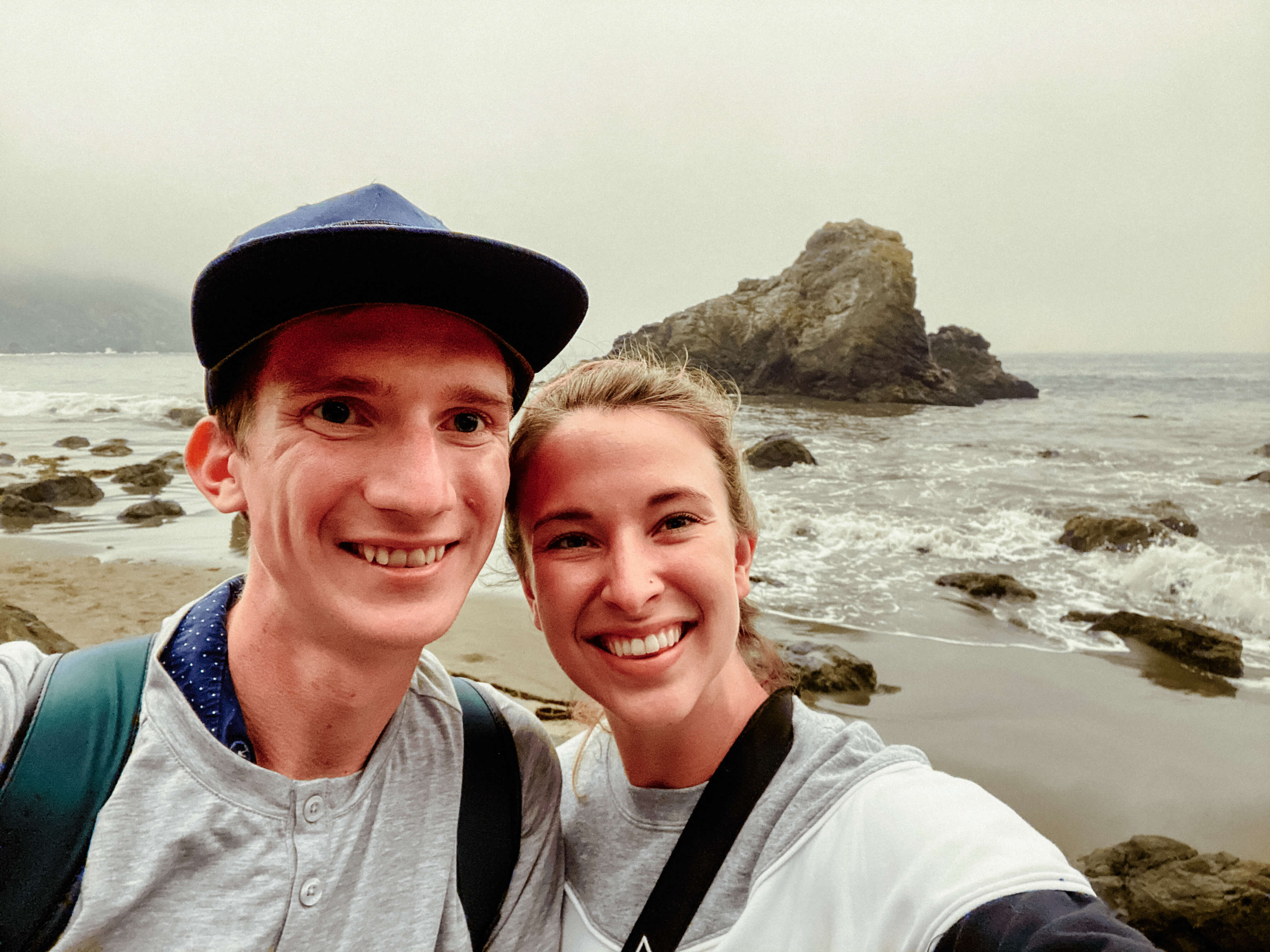
Brandon Krage is the owner and filmmaker behind Motus Weddings, an adventure wedding photography and videography studio based in Bailey, Colorado. Together with his wife and co-owner Aby, he has spent more than six years and 150+ weddings and elopements documenting couples on digital, 35mm film, Super 8mm and 16mm. They married in July 2021. More about Brandon and Aby.
Scripture quotations taken from THE HOLY BIBLE, NEW INTERNATIONAL VERSION®, NIV® Copyright © 1973, 1978, 1984, 2011 by Biblica, Inc.® Used by permission. All rights reserved worldwide.